
The rugged beauty of Musandam Governorate in Oman often presents unique challenges for emergency services. Recently, the dedication and skill of the Civil Defence and Ambulance Authority (CDAA) were put to the test in a complex Musandam rescue operation involving a child with a foot fracture in the remote coastal village of Shaisa, Wilayat of Khasab. This incident highlights the importance of coordinated emergency response in challenging terrains and weather conditions, and the commitment of Omani authorities to citizen safety.
Details of the Musandam Rescue Operation
The CDAA received a distress call regarding a child who had suffered a foot fracture in Shaisa, a village known for its stunning but isolated coastal location. The immediate concern wasn’t just the injury itself, but the logistical difficulties in reaching the child due to prevailing adverse weather. Shaisa’s remote setting, nestled amongst the mountains and accessible primarily by sea, demanded a carefully planned and executed response.
Initial Response and Maritime Transport
Recognizing the urgency of the situation, the CDAA quickly mobilized its teams. However, direct land access was hampered by the weather, making a sea evacuation the most viable initial option. Fortunately, a local fishing boat was readily available and swiftly dispatched to Shaisa to transport the injured child to a more accessible point. This demonstrates the crucial role local communities play in supporting emergency services in Musandam.
Mountain Ambulance and Heavy Rescue Vehicle Deployment
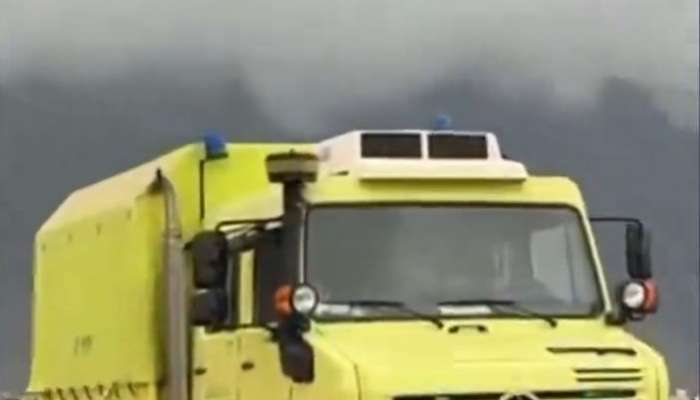
Upon reaching the designated meeting point by sea, the child was carefully transferred to a specialized mountain ambulance. These vehicles are specifically equipped to navigate the steep and winding roads characteristic of the Musandam Peninsula. Due to the nature of the terrain and the need for potential extrication assistance, a heavy rescue vehicle was also deployed as a precautionary measure. This ensured the team had the necessary resources to handle any unforeseen obstacles during the land evacuation.
On-Site Medical Care and Hospital Transfer
Throughout the entire emergency medical services process, paramedics provided continuous assessment and care to the injured child. Stabilization and pain management were administered on-site before the transfer to the hospital. The coordinated effort between the sea transport, mountain ambulance crew, and paramedics was critical in ensuring the child received timely medical attention. Once safely aboard the ambulance, the child was transported to the nearest hospital for comprehensive treatment and further evaluation.
Challenges Faced During the Rescue
The Musandam Governorate, while breathtakingly beautiful, presents significant challenges for rescue operations. The region’s mountainous terrain, coupled with unpredictable weather patterns, often complicates access and increases the risk for both the injured and the rescue teams. Communication can also be difficult in certain areas, requiring robust and reliable systems to maintain contact throughout the operation.
In this particular Musandam rescue operation, the adverse weather conditions were the primary obstacle. The sea was choppy, making the initial maritime transport challenging. Simultaneously, the rain-soaked mountain roads demanded careful driving and increased the risk of landslides. The CDAA’s preparedness and expertise were instrumental in overcoming these hurdles.
The Importance of Specialized Equipment
The successful outcome of this rescue underscores the importance of investing in specialized equipment tailored to the unique geographical challenges of regions like Musandam. The deployment of the mountain ambulance and heavy rescue vehicle wasn’t merely a matter of having resources available; it was a strategic decision based on a thorough assessment of the situation. Regular training and maintenance of this equipment are also vital to ensure its operational readiness.
CDAA’s Commitment to Public Safety in Oman
This incident is a testament to the unwavering commitment of the Civil Defence and Ambulance Authority to safeguarding the lives of citizens and residents across Oman. The CDAA consistently demonstrates its ability to respond effectively to a wide range of emergencies, from natural disasters to medical incidents, often in extremely challenging circumstances. Their dedication to training, preparedness, and utilizing advanced technology ensures they are well-equipped to handle any situation.
The swift and efficient execution of this Musandam rescue operation serves as a reassuring example of the capabilities of Oman’s emergency services. Furthermore, it highlights the importance of collaboration between the CDAA and local communities in ensuring the safety and well-being of everyone in the region. The use of emergency medical services and specialized vehicles like the mountain ambulance were key to a positive outcome.
We encourage readers to familiarize themselves with emergency contact numbers and basic first aid procedures. Knowing how to respond in a crisis can make a significant difference. You can find more information about the CDAA and their services on their official website. Stay safe and be prepared!