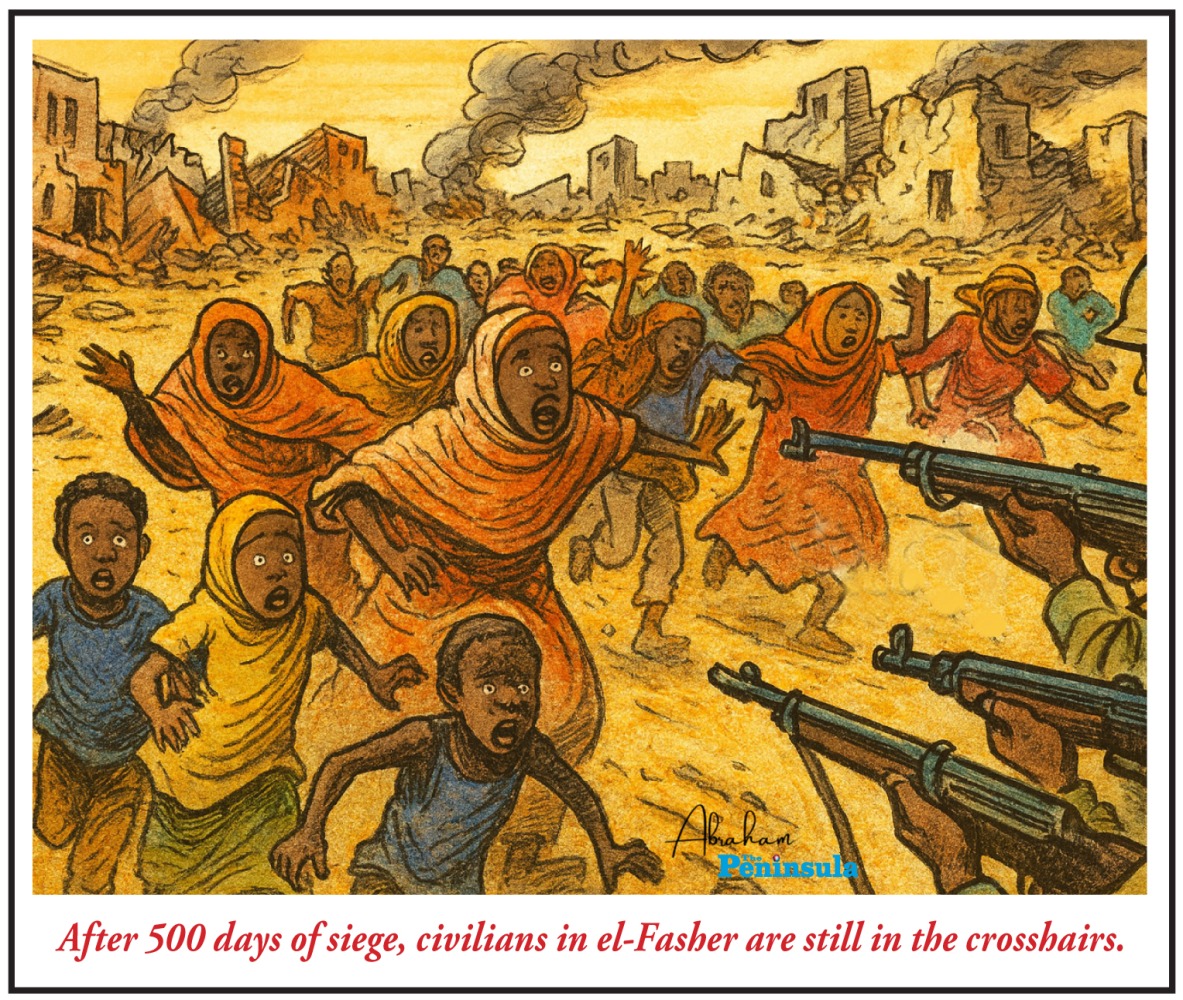

The ongoing conflict in Sudan has created a catastrophic humanitarian crisis, particularly in the greater Kordofan region. Tens of thousands have been killed and millions displaced since fighting erupted in April 2023, leading to what aid organizations are calling the world’s largest hunger and displacement crisis. The situation in Sudan is rapidly deteriorating, with civilians bearing the brunt of the violence and facing severe food insecurity.
The fighting pits the Sudanese Armed Forces (SAF), led by General Abdel Fattah al-Burhan, against the Rapid Support Forces (RSF), commanded by General Mohamed Hamdan Dagalo. Kordofan, along with Darfur, has become a major epicenter of the violence, largely due to its strategic importance and existing ethnic tensions. International organizations are struggling to deliver aid due to security concerns and bureaucratic hurdles.
The Humanitarian Crisis in Sudan Deepens
The scale of the humanitarian disaster in Sudan is immense. According to the United Nations, over 8 million people have been displaced from their homes, both internally and as refugees in neighboring countries like Chad, South Sudan, and Egypt. This displacement has overwhelmed already strained resources in these areas, creating further instability.
The conflict has severely disrupted agricultural production, leading to widespread food shortages. The World Food Programme (WFP) estimates that more than 20 million people – nearly half the population – are facing acute hunger. Access to essential services, including healthcare and education, has also been drastically reduced.
Impact on the Kordofan Region
The greater Kordofan region is particularly vulnerable. It has historically experienced cycles of conflict and marginalization, and the current war has exacerbated these existing problems. Reports indicate that the region is facing a near-total collapse of its healthcare system, with hospitals overwhelmed and lacking essential supplies.
The fighting in Kordofan is not solely between the SAF and RSF. Local militias and armed groups are also involved, further complicating the situation and increasing the risk of ethnic violence. This multi-faceted conflict makes it difficult to establish safe corridors for humanitarian aid.
Causes of the Conflict
The roots of the current conflict in Sudan are complex and stem from a power struggle between al-Burhan and Dagalo. Both generals were key figures in the 2019 revolution that ousted long-time dictator Omar al-Bashir. However, disagreements over the integration of the RSF into the regular army and the timeline for a transition to civilian rule ultimately led to the outbreak of violence.
Additionally, the economic crisis plaguing Sudan has contributed to the instability. High inflation, unemployment, and a lack of economic opportunities have fueled resentment and provided fertile ground for recruitment by armed groups. The political transition, following al-Bashir’s removal, was also hampered by a lack of consensus among various stakeholders.
International mediation efforts, led by the African Union, IGAD, and the United Nations, have so far failed to achieve a lasting ceasefire. Both the SAF and RSF have been accused of violating international humanitarian law, including targeting civilians and obstructing aid deliveries. The ongoing civil war has created a climate of impunity.
The international community has pledged financial assistance to address the humanitarian crisis, but the delivery of aid remains a significant challenge. Security concerns, bureaucratic obstacles, and the sheer scale of the need are hindering efforts to reach those most in need. The lack of a unified response from regional and international actors is also a contributing factor to the prolonged conflict and worsening food insecurity.
Meanwhile, the situation in Darfur, another heavily affected region, is particularly dire, with reports of widespread atrocities and ethnic cleansing. The conflict there has drawn comparisons to the Darfur genocide of the early 2000s, raising concerns about a potential escalation of violence. The UN has warned that the situation in Darfur could spiral into a full-scale humanitarian catastrophe.
Looking ahead, the prospects for a swift resolution to the conflict in Sudan remain uncertain. Negotiations are expected to resume, but the deep-seated mistrust between the warring parties and the involvement of multiple actors make a breakthrough difficult. The UN Security Council is scheduled to discuss the situation in Sudan later this month, and a potential resolution imposing sanctions or authorizing a peacekeeping force is being considered. The immediate priority remains providing humanitarian assistance to the millions of affected civilians and preventing a further deterioration of the situation.
The continued fighting threatens to destabilize the entire region, potentially triggering a wider conflict. Monitoring the progress of diplomatic efforts and the delivery of humanitarian aid will be crucial in the coming weeks and months. The long-term impact of this crisis on Sudan’s political and economic future remains to be seen.
The conflict is also impacting Sudan’s already fragile infrastructure, hindering recovery efforts even if a ceasefire is achieved.
The situation demands urgent and sustained international attention to prevent further loss of life and alleviate the suffering of the Sudanese people.