






By using this site, you agree to the Privacy Policy and Terms of Use.
Accept
Gulf PressGulf Press
  • Home
  • Gulf News
  • World
  • Business
  • Technology
  • Sports
  • Lifestyle
Search
Countries
More Topics
  • Health
  • Entertainment
Site Links
  • Customize Interests
  • Bookmarks
  • Newsletter
  • Terms
  • Press Release
  • Advertise
  • Contact
© 2023 Gulf Press. All Rights Reserved.
Reading: Can a simple cheek swab test predict the risk of mortality?
Share
Notification Show More
Latest News
Confident Saudi Arabia take on Comoros; Morocco eye ‘crucial’ win against Oman
Sports
EU Commissioner for Energy explains phase-out of Russian gas imports
World
Anthropic signs $200M deal to bring its LLMs to Snowflake’s customers
Technology
ICE Qatar event shines spotlight on nation’s sustainable development drive
Gulf
ABQ partners with the Oman Padel Committee
Business
Aa
Gulf PressGulf Press
Aa
  • Gulf News
  • World
  • Business
  • Entertainment
  • Lifestyle
  • Sports
Search
  • Home
  • Gulf
  • Business
  • More News
    • World
    • Technology
    • Lifestyle
    • Entertainment
    • Sports
Have an existing account? Sign In
Follow US
  • Terms
  • Press Release
  • Advertise
  • Contact
© 2023 Gulf Press. All Rights Reserved.
Gulf Press > Health > Can a simple cheek swab test predict the risk of mortality?
Health

Can a simple cheek swab test predict the risk of mortality?

News Room
Last updated: 2024/10/08 at 12:02 PM
News Room
Share
3 Min Read
SHARE

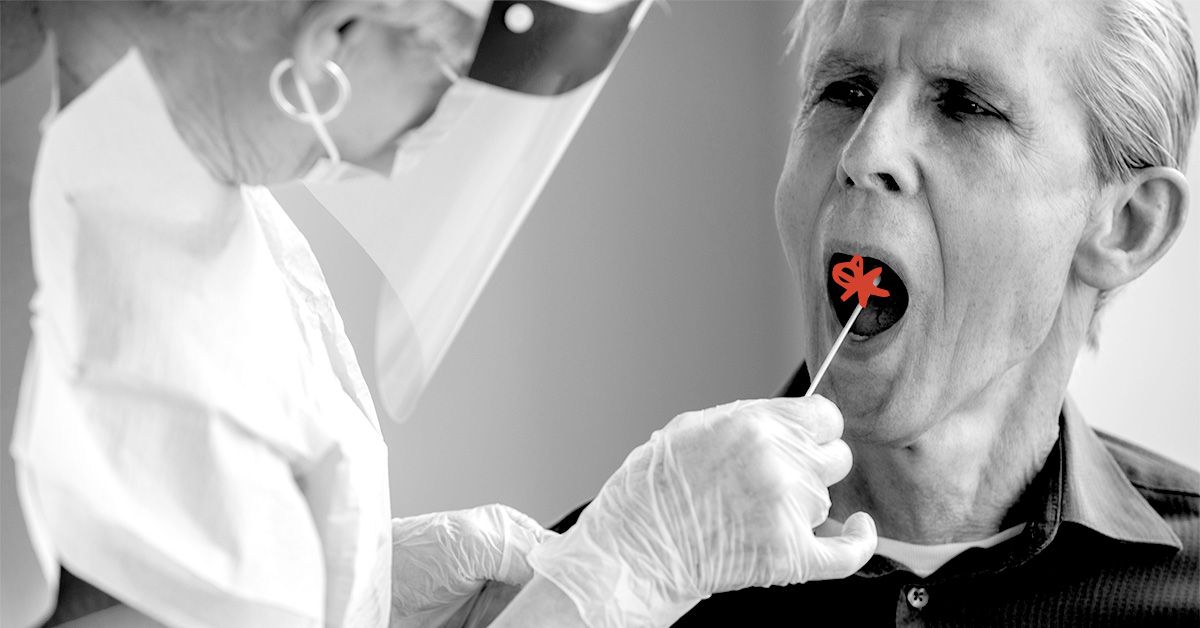
Aging is a natural process that varies among individuals, influenced by genetics and lifestyle choices. Scientists have developed a new tool called CheekAge that can predict mortality by analyzing epigenetic changes in cheek cells, offering a noninvasive way to monitor biological aging. Environmental factors such as stress, poor sleep, poor nutrition, smoking, and alcohol consumption can accelerate aging by leaving their mark on our genome in the form of epigenetic changes. Epigenetics studies how gene activity can be altered without changing the DNA sequence itself, providing insights into the relationship between our environment and gene expression. Epigenetic clocks have been developed to estimate biological age by analyzing DNA methylation patterns, with CheekAge being a second-generation clock that uses methylation data from cheek cells for prediction.

CheekAge was trained by analyzing methylation levels at approximately 200,000 sites and linking them to an overall health and lifestyle score that represents variations in physiological aging. Researchers tested CheekAge’s ability to predict mortality risk by analyzing a cohort of 1,513 men and women born in 1921 and 1936, who were part of the Lothian Birth Cohorts program. The results showed that CheekAge was significantly associated with mortality, outperforming first-generation clocks trained in datasets containing blood data. For each increase by a single standard deviation in CheekAge, the hazard ratio of all-cause mortality increased by 21%, indicating a strong predictive capability of CheekAge in assessing mortality risk.

The study identified specific genes linked to mortality, such as PDZRN4 and ALPK2, which may play a role in lifespan and the risk of age-related diseases. CheekAge provides a less invasive alternative for studying and monitoring biological aging, as it can predict mortality even when the methylome is measured in blood cells. Occupational therapist Brittany Ferri believes that using cheek cells to predict aging and related health issues could revolutionize preventive healthcare by providing a personalized and proactive approach to managing health concerns. More research is needed to fully understand the implications of CheekAge predictions and their impact on delaying or preventing age-related diseases.

The researchers behind CheekAge envision the tool as a potential method for personalized health assessments, allowing individuals to track their aging process and make informed decisions about their health. While the FDA has yet to validate CheekAge, the tool shows promise as a valuable aging biomarker that can be used in academic research, clinical trials, and health tracking. The team looks forward to future studies exploring the associations between CheekAge and various health and lifestyle factors, contributing to a better understanding of aging and disease prevention. By making aging predictions more accessible, CheekAge has the potential to improve health outcomes for individuals from diverse backgrounds, offering a better quality of life as they age.


Sign Up For Daily Newsletter

Be keep up! Get the latest breaking news delivered straight to your inbox.
I have read and agree to the terms & conditions
By signing up, you agree to our Terms of Use and acknowledge the data practices in our Privacy Policy. You may unsubscribe at any time.
News Room October 8, 2024
Share this Article
Facebook Twitter Copy Link Print
Previous Article Saudi Arabia showcases groundbreaking innovations at STS Forum in Japan.
Next Article Muharraq advocates for oil waste containers in restaurants
Leave a comment Leave a comment

Leave a Reply Cancel reply

Your email address will not be published. Required fields are marked *

Stay Connected

235.3k Followers Like
69.1k Followers Follow
56.4k Followers Follow
136k Subscribers Subscribe
- Advertisement -
Ad imageAd image

Latest News

Confident Saudi Arabia take on Comoros; Morocco eye ‘crucial’ win against Oman
Sports December 5, 2025
EU Commissioner for Energy explains phase-out of Russian gas imports
World December 5, 2025
Anthropic signs $200M deal to bring its LLMs to Snowflake’s customers
Technology December 5, 2025
ICE Qatar event shines spotlight on nation’s sustainable development drive
Gulf December 5, 2025

You Might also Like

Health

Noor Al Mamzar Medical Center: Comprehensive Healthcare and Wellness in Dubai

September 6, 2025
Health

Mindfulness could be equally effective as antidepressants

October 17, 2024
Health

What is the impact of caffeine on the risk of developing diseases?

October 17, 2024
Health

Scientists discover combination of 14 genes that enhance outcomes

October 16, 2024
Health

Seizure medication demonstrates potential in individuals with no genetic risk

October 16, 2024
Health

Heart disease increases risk, heparin can postpone onset

October 16, 2024
Health

What type of breakfast is most effective for weight loss in women compared to men?

October 15, 2024
Health

How does the brain remove “waste” to protect itself?

October 14, 2024
//

Gulf Press is your one-stop website for the latest news and updates about Arabian Gulf and the world, follow us now to get the news that matters to you.

Quick Link

  • Privacy Policy
  • Terms of ue
  • Advertise
  • Contact

How Topics

  • Gulf News
  • International
  • Business
  • Lifestyle

Sign Up for Our Newsletter

Subscribe to our newsletter to get our latest news instantly!

I have read and agree to the terms & conditions
Gulf PressGulf Press
Follow US

© 2023 Gulf Press. All Rights Reserved.

Join Us!

Subscribe to our newsletter and never miss our latest news, podcasts etc..

I have read and agree to the terms & conditions
Zero spam, Unsubscribe at any time.

Removed from reading list

Undo
Welcome Back!

Sign in to your account

Lost your password?