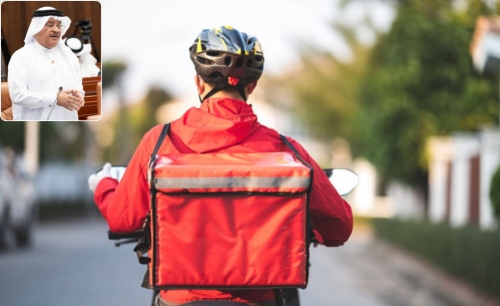

Residents of Muharraq are voicing increasing concerns over the growing number of food delivery motorcycles and restaurants operating within residential districts. These concerns range from disruptive noise levels and dangerous riding practices to significant traffic congestion and parking issues. MP Mohammed Al Olaiwi has recently brought these issues to the forefront, urging authorities to take action to address the quality of life impacts on local communities. This article will delve into the specific complaints, proposed solutions, and the broader implications of the expanding food delivery services in Bahrain.
Concerns Rise Over Food Delivery Impact in Muharraq
The surge in popularity of online food ordering and food delivery services has undeniably changed the dining landscape in Bahrain, offering convenience to consumers. However, this convenience appears to be coming at a cost for residents in areas like Muharraq. Complaints center around a perceived lack of regulation and oversight, particularly regarding the behavior of delivery riders.
Al Olaiwi highlighted that many riders operate at excessive speeds, especially on narrow residential streets, creating a dangerous environment. This risk is considerably amplified for vulnerable residents, including children playing and elderly individuals navigating the neighborhood. The constant buzzing of motorcycles, especially during peak hours, is also cited as a major disturbance, negatively affecting the peaceful atmosphere of residential areas.
Risky Riding and Road Safety
A significant portion of resident frustration focuses on the careless riding observed in Muharraq’s backstreets. Witnesses report riders weaving through traffic, ignoring traffic signals, and generally displaying a disregard for pedestrian safety. This behavior isn’t simply an annoyance; it’s a legitimate safety hazard that residents fear will inevitably lead to accidents. The lack of consistent enforcement contributes to the problem, providing little deterrent for reckless behavior.
Restaurants in Residential Zones: A Growing Problem
Beyond the issues with delivery riders, there’s an increasing concern regarding the proliferation of restaurants opening directly within residential neighborhoods. MP Al Olaiwi criticized the disorganized expansion, noting that many new establishments lack adequate provisions for customer pick-up and parking.
This creates a cascade of problems. Drivers searching for parking spots frequently block roadways, further exacerbating traffic congestion. The constant flow of vehicles accessing these restaurants disrupts the daily lives of nearby households, intensifying noise pollution and potentially reducing property values. Proper planning, he argues, is essential to prevent such situations.
Parking Issues and Traffic Disruption
The core of the restaurant-related complaints revolves around inadequate infrastructure. Many restaurants converted existing residential properties without considering the increased traffic volume associated with a commercial venture. The absence of designated parking spaces forces customers to park haphazardly, blocking driveways, sidewalks, and even emergency routes. This creates frustration for residents and poses significant challenges for traffic flow within these already congested areas.
Addressing this requires a multi-faceted approach, including stricter enforcement of parking regulations and a re-evaluation of zoning laws to ensure compatibility between commercial establishments and residential areas.
Calls for Increased Police Presence and Regulation
In response to the growing concerns, MP Al Olaiwi has formally appealed to the Interior Ministry to reinstate motorbike patrols specifically dedicated to monitoring traffic within housing areas. He points to the past success of such patrols in maintaining order and enforcing traffic laws, leading to safer streets and smoother traffic flow.
Additionally, he advocates for stringent regulations governing the establishment of restaurants in residential districts. This includes requiring businesses to provide sufficient on-site parking, implement noise mitigation measures, and adhere to specific operating hours. He believes that a proactive approach to regulation is vital to protect the interests of residents.
The MP’s concerns reflect a broader discussion around the responsible growth of delivery businesses and the need to balance convenience with community wellbeing. Increased regulation isn’t intended to stifle entrepreneurship or hinder the availability of these popular services, but rather to ensure they operate in a manner that respects the quality of life for all residents.
The Future of Food Delivery in Bahrain
The situation in Muharraq serves as a cautionary tale for other areas in Bahrain experiencing similar growth in food delivery and restaurant density. It underscores the importance of forward-thinking urban planning and proactive regulatory measures. Ultimately, a sustainable solution will require collaboration between government authorities, restaurant owners, and delivery companies to implement strategies that mitigate the negative impacts and promote a harmonious coexistence between commercial activity and residential communities.
Moving forward, residents will be keenly observing whether action is taken to address these legitimate concerns. Further discussion with community stakeholders and transparent communication from authorities will be crucial for building trust and fostering a positive outcome for all involved.