








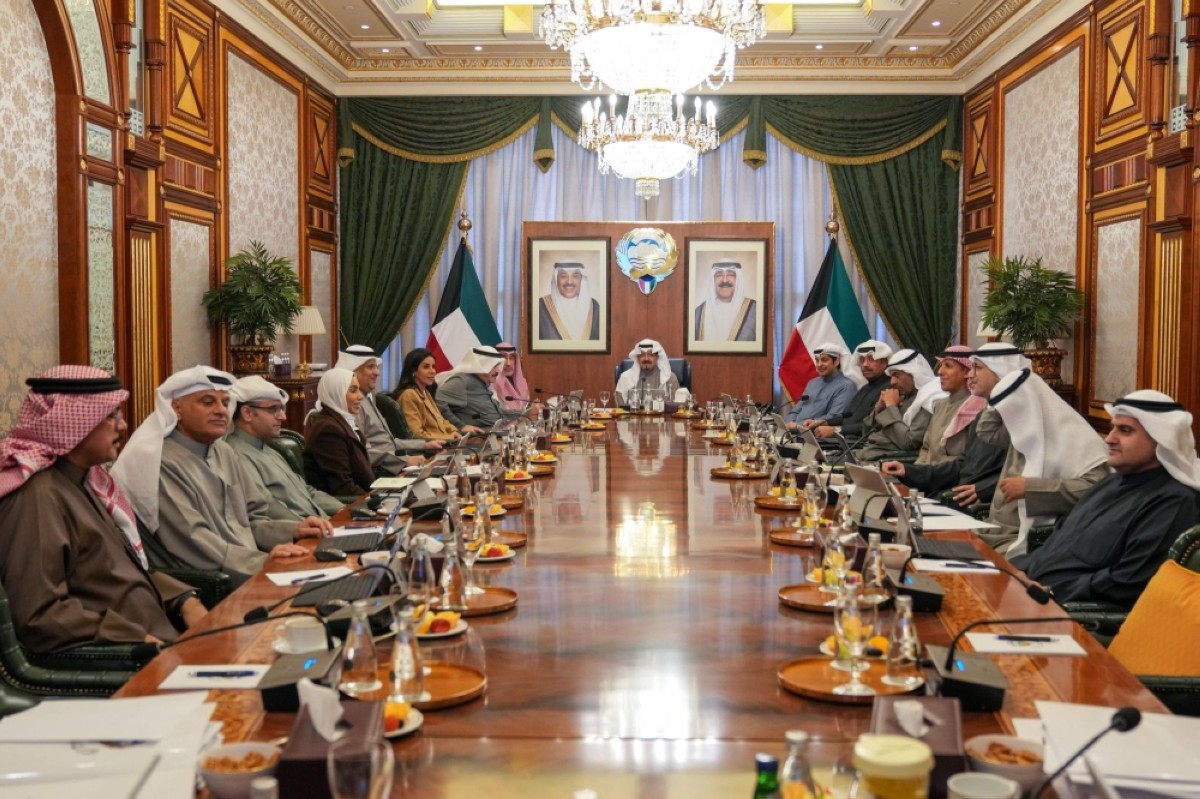

Kuwait experienced a period of significant governmental activity in 2024, marked by over 100 decisions aimed at tackling pressing national issues and accelerating its economic transformation. This proactive approach, detailed by the Kuwait News Agency (KUNA), encompassed sweeping reforms across judicial, economic, and social sectors, alongside substantial investments in infrastructure and international partnerships. The year’s efforts clearly demonstrate a commitment to modernizing Kuwait and realizing the ambitions of Kuwait Vision 2035.
A Year of Comprehensive Reforms in Kuwait
The Kuwaiti Cabinet’s agenda for 2024 was ambitious, focusing on creating a more efficient, transparent, and sustainable future for the nation. These reforms weren’t limited to a single area; they touched nearly every facet of Kuwaiti life, from the legal system to social welfare programs.
Strengthening the Judicial Framework
Significant updates were made to both criminal and civil procedures, aiming to expedite cases and improve the overall administration of justice. Alongside these procedural changes, revisions to court fee structures were also approved. These adjustments are intended to make the legal system more accessible while maintaining its integrity. The goal is a more responsive and equitable judicial system for all citizens and residents.
Enhancing Anti-Corruption Measures
Recognizing the importance of good governance, the government also amended laws pertaining to the Public Authority for Anti-Corruption (Nazaha). These changes are designed to bolster Nazaha’s authority and effectiveness in combating corruption at all levels. Furthermore, updates to digital transaction laws were implemented to ensure secure and transparent online dealings, reducing opportunities for illicit activities. This focus on regulatory oversight is crucial for building trust in the system.
Driving Economic Growth and Stability
Economic measures were central to the Cabinet’s 2024 initiatives. The focus was on fostering a stable and dynamic economic environment capable of attracting investment and supporting long-term growth.
Modernizing Financial Regulations
New regulations were introduced to govern digital trade, acknowledging the increasing importance of the digital economy. Updates to bankruptcy laws were also approved, aiming to provide a more streamlined and fair process for businesses facing financial difficulties. Crucially, decrees were issued to enhance financing and liquidity within the Kuwaiti market, supporting businesses and encouraging economic activity.
Major Infrastructure Projects
A key decision involved direct contracting with a Chinese company for the development of Mubarak Al-Kabeer Port. This project is expected to significantly boost Kuwait’s trade capacity and contribute to its economic diversification. The approval of the 2025-2026 development plan, encompassing 134 projects and 36 policies, further underscores this commitment to infrastructure development. The plan, backed by a new state budget including 90 additional projects, represents a substantial investment in Kuwait’s future. This aligns with broader economic development goals.
Prioritizing Social Welfare and Security
Beyond economic and judicial reforms, the Kuwaiti government also prioritized the well-being of its citizens and residents through strengthened social and humanitarian laws.
Supporting Vulnerable Populations
Updates to public assistance programs were implemented to provide more effective support to those in need. Legislation concerning child rights was also strengthened, reflecting a commitment to protecting the next generation. A new law was introduced to address the sensitive issue of missing persons, offering hope and support to families affected by such tragedies.
Enhancing Crime Prevention
The Cabinet approved legislation aimed at tackling drug trafficking, psychotropic substances, and international crimes. Efforts were also made to strengthen cross-border judicial cooperation, facilitating the investigation and prosecution of transnational criminal activities. These measures are vital for maintaining public safety and security.
Streamlining Processes and Strengthening Governance
The year also saw significant administrative and regulatory reforms designed to improve efficiency and transparency within the government. The formation of governorate councils aimed to decentralize decision-making and empower local communities. Updates to civil service leave policies were made to better support employees dealing with personal or family medical needs.
Furthermore, specialized committees were established to monitor government performance and oversee industrial licensing decisions. A dedicated team was tasked with accelerating progress on the crucial Kuwait International Airport (T2) project, a key component of Kuwait’s infrastructure plans. These initiatives demonstrate a commitment to government efficiency and accountability.
Addressing Nationality and Identity Concerns
The Cabinet addressed complex nationality and identity issues, approving measures to streamline procedures for individuals affected by nationality revocations. Importantly, these measures were implemented while ensuring the protection of their existing rights, including their ability to engage in trade, fulfill financial obligations, and benefit from existing business incentives. Special provisions were also maintained for foreign spouses of Kuwaiti citizens.
Strengthening International Ties and Sustainable Initiatives
Kuwait actively strengthened its diplomatic and strategic partnerships, signing numerous agreements and memoranda of understanding with friendly nations to support national development and advance the goals of Kuwait Vision 2035. Community engagement and sustainable development were also prioritized, with approved donations funding healthcare facilities, hospital renovations, urban greening projects, and the restoration of cultural heritage sites. The Kuwait Oil Company played a role in these efforts, overseeing renovations at Ahmad Al-Ahmadi market and cinema in collaboration with the National Council for Culture, Arts and Literature (NCCAL). The designation of February 7th as Kuwait Sports Day and the renaming of a coast guard base in honor of the Late Amir Sheikh Nawaf Al-Ahmad Al-Sabah further highlighted the nation’s values.
In conclusion, 2024 was a landmark year for Kuwait, characterized by a proactive and comprehensive approach to national development. The Cabinet’s focus on economic transformation, coupled with significant reforms in the judicial, social, and administrative sectors, positions Kuwait for continued progress and prosperity. The numerous initiatives undertaken demonstrate a clear commitment to realizing the ambitious goals of Kuwait Vision 2035 and building a brighter future for all its citizens. To learn more about Kuwait’s long-term vision, explore resources on the official Kuwait Vision 2035 website.

