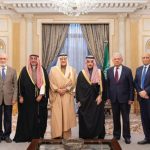

Doha, Qatar – The Qatari Cabinet, chaired by Deputy Prime Minister Sheikh Saoud bin Abdulrahman Al-Thani, convened on Wednesday to address a range of national and international issues, including congratulations on National Day, praise for the recent FIFA Arab Cup Qatar 2025, and approvals of new legislation related to health research. The meeting also highlighted Qatar’s commitment to global anti-corruption efforts and strengthened international partnerships through new memoranda of understanding.
Minister of Justice Ibrahim bin Ali Al Mohannadi outlined the key outcomes of the session, emphasizing the Cabinet’s recognition of Qatar’s developmental progress and its role in fostering integrity on the world stage. The Cabinet extended its congratulations to HH the Amir Sheikh Tamim bin Hamad Al-Thani and the people of Qatar on the occasion of National Day, acknowledging the legacy of the nation’s founder, Sheikh Jassim bin Mohammed bin Thani.
Advancing Healthcare Through New Regulations
A significant portion of the Cabinet’s agenda focused on bolstering the regulatory framework for health research within Qatar. The Cabinet approved a draft Cabinet Resolution to issue executive regulations for Law No. 6 of 2025, which governs health research. Additionally, resolutions were passed establishing both a National Research Ethical Committee and a Committee for Monitoring Health Research, according to the Ministry of Justice.
Strengthening Ethical Oversight
These new committees are intended to ensure that all health research conducted in Qatar adheres to the highest ethical standards and promotes responsible innovation. The establishment of these bodies reflects Qatar’s dedication to safeguarding the rights and well-being of research participants and maintaining public trust in scientific endeavors. The move aligns with international best practices in research governance.
Meanwhile, the Cabinet also acknowledged the successful conclusion of the FIFA Arab Cup Qatar 2025, praising the atmosphere of brotherhood and sportsmanship it fostered. The government expressed gratitude to all state agencies involved in the organization and security of the tournament, recognizing their contributions to its success. This event served as another demonstration of Qatar’s capacity to host major international sporting events.
Qatar’s commitment to combating corruption was also prominently featured. The Cabinet lauded HH the Amir’s recognition of winners of the Sheikh Tamim bin Hamad Al-Thani International Anti-Corruption Excellence (ACE) Award and noted the successful hosting of the 11th session of the Conference of the States Parties to the United Nations Convention against Corruption (COSP11) in Doha. These initiatives underscore Qatar’s proactive stance on promoting transparency and accountability globally.
In addition to domestic legislation, the Cabinet approved draft memoranda of understanding to enhance international cooperation. These include an agreement on technical cooperation in tax administration with Russia and a collaboration in the health field with Portugal. These partnerships aim to foster knowledge sharing and strengthen bilateral relations in key sectors. The Ministry indicated these agreements will facilitate greater collaboration on issues of mutual interest.
The Cabinet also reviewed reports from recent participation in regional and international meetings, including those related to post and telecommunications, e-government, and health cooperation within the Gulf Cooperation Council (GCC), as well as a joint committee with Tajikistan. These reports provide insights into Qatar’s engagement with regional partners and its efforts to address shared challenges. GCC collaboration remains a priority for Qatar.
Looking ahead, the approved draft laws and resolutions will now proceed through the necessary legislative processes for enactment. The implementation of the new regulations for health research is expected to take several months, with the establishment of the ethical and monitoring committees being a key initial step. Further details regarding the specific timelines and procedures will be announced by the relevant authorities. The impact of the new international agreements will depend on subsequent implementation plans and ongoing negotiations.