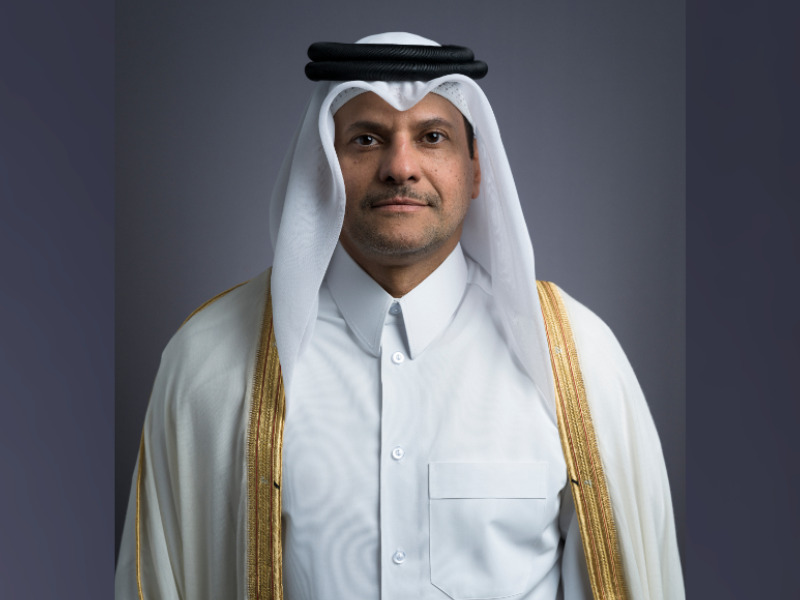

Doha, Qatar – The Qatari Cabinet, chaired by Deputy Prime Minister Sheikh Saoud bin Abdulrahman Al-Thani, convened on Wednesday to address a range of international agreements and domestic economic regulations, including a significant decision regarding company classification. The meeting underscored Qatar’s commitment to regional peace initiatives and its ongoing efforts to diversify and strengthen its national economy. Several Memorandums of Understanding (MoUs) were approved, signaling expanded cooperation across multiple sectors.
Minister of Justice Ibrahim bin Ali Al Mohannadi detailed the Cabinet’s decisions, highlighting the endorsement of the Doha Framework Agreement for Peace in the Democratic Republic of Congo and a new draft decision aimed at modernizing business regulations. These actions reflect Qatar’s proactive role in international diplomacy and its dedication to fostering a competitive and transparent business environment.
New Company Classification System Approved
A key outcome of the Cabinet meeting was the approval of a draft decision by the Minister of Commerce and Industry concerning the company classification system. According to the Ministry, the new system is designed to align Qatari business legislation with evolving global standards and promote economic growth. This initiative aims to categorize companies based on size – micro, small, medium, and large – utilizing clearly defined criteria.
Benefits of the New System
The Ministry of Commerce and Industry anticipates that the new company classification will enhance transparency within the business sector. Additionally, it is expected to improve the efficiency of national companies registered with relevant authorities. By providing a standardized framework, the system should also encourage continuous development and increased competitiveness among businesses operating in Qatar. This aligns with Qatar’s National Vision 2030, which prioritizes economic diversification and a knowledge-based economy.
Expanding International Cooperation
Beyond domestic economic reforms, the Cabinet approved a series of MoUs demonstrating Qatar’s commitment to international collaboration. These agreements span diverse areas, including climate change adaptation, Islamic affairs, labor, healthcare, public prosecution, and audit work.
Specifically, an MoU was approved with the Global Green Growth Institute to foster cooperation on climate change adaptation and green growth initiatives. Another MoU will facilitate collaboration in endowments and Islamic affairs with the Republic of Djibouti. Further agreements were reached with the Maldives regarding labor cooperation, The Gambia concerning the health sector, Kazakhstan on public prosecution, and the UAE on audit work. These partnerships underscore Qatar’s dedication to addressing global challenges and strengthening bilateral ties.
Meanwhile, the Cabinet reviewed reports on national civil aviation security, participation in the Economic and Social Council, and outcomes from the International Civil Aviation Organization Assembly. The report on civil aviation security covered the period from January 1 to June 30, 2025, indicating ongoing efforts to maintain high security standards. The reports from the Economic and Social Council and ICAO Assembly suggest continued engagement in international forums focused on economic development and aviation safety. ICAO plays a crucial role in setting international aviation standards.
The approval of these agreements and the new company classification system represent a significant step in Qatar’s ongoing efforts to diversify its economy and strengthen its international standing. The Ministry of Commerce and Industry is expected to publish the detailed criteria for the new company classification system in the coming weeks. Further details regarding the implementation timelines for the various MoUs are anticipated as the respective ministries finalize their action plans. The success of these initiatives will depend on effective implementation and continued collaboration with partner nations.
Looking ahead, stakeholders will be watching for the practical effects of the new company classification on small and medium-sized enterprises (SMEs) and the overall business climate in Qatar. The impact of the MoUs on specific sectors, such as renewable energy and healthcare, will also be closely monitored.