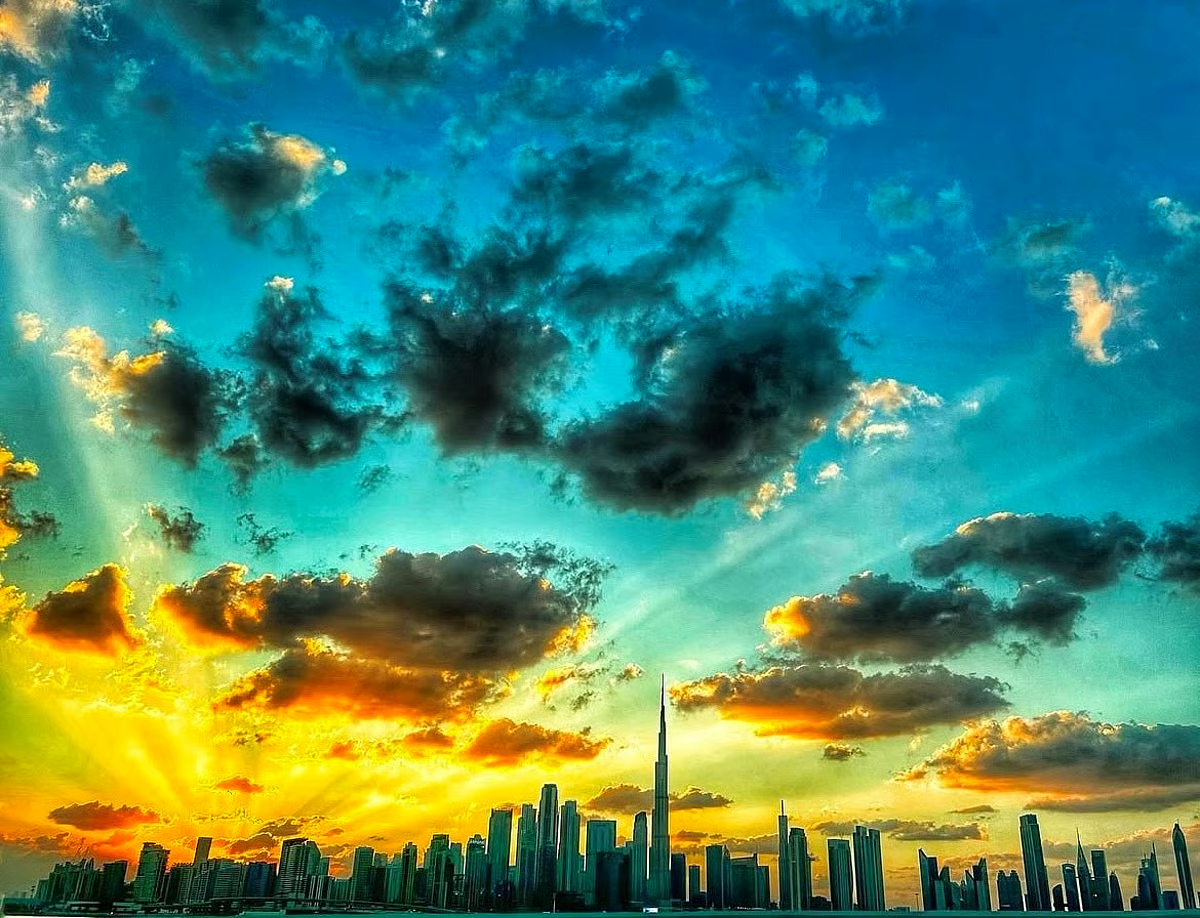
Dubai’s Burj Khalifa, the world’s tallest building, continues to be a significant landmark and driver of economic activity in the region. The mixed-use skyscraper, officially opened in 2010, houses luxury Burj Khalifa residences, a hotel, corporate offices, and a variety of dining options. Its ongoing success and record-breaking features continue to attract global attention and investment to Dubai.
Located in the Downtown Dubai district, the Burj Khalifa overlooks the Dubai Fountain and is a central component of the larger development. The building currently holds over 10 world records, including those for the highest occupied floor, the highest outdoor observation deck, and the tallest service elevator, according to the World Records Academy. These achievements solidify its position as an engineering marvel and a major tourist destination.
The Impact of Burj Khalifa Residences on Dubai’s Luxury Real Estate Market
The inclusion of high-end Burj Khalifa residences was a key strategic decision in the building’s development. Offering unparalleled views and access to world-class amenities, these apartments cater to a very specific, affluent demographic. This has significantly boosted the luxury property sector in Dubai, setting a new benchmark for quality and exclusivity.
The initial sales of apartments within the Burj Khalifa were launched before the building’s completion, demonstrating strong investor confidence in the project. Demand remained high even during the global financial crisis of 2008-2009, though sales velocity did slow. This resilience underscored the unique appeal of owning property in such an iconic structure.
Attracting High-Net-Worth Individuals
The Burj Khalifa has become a magnet for high-net-worth individuals from around the globe. The availability of long-term visas and favorable tax policies in the United Arab Emirates further incentivize investment in Dubai real estate. This influx of wealth contributes to the overall economic growth of the city and supports related industries like hospitality and retail.
Influence on Architectural Trends
The Burj Khalifa’s design and construction have profoundly influenced architectural trends worldwide. Its innovative use of a buttressed core and high-performance materials has inspired similar projects in other major cities. The building’s success has also encouraged developers to embrace mixed-use concepts, integrating residential, commercial, and leisure spaces into single structures.
Beyond Residential: Hotel, Offices, and Dining
While the Burj Khalifa residences are a major draw, the building’s diverse offerings contribute significantly to its overall economic impact. The Armani Hotel Dubai, occupying multiple floors, provides a luxury hospitality experience directly linked to the building’s prestige. This hotel consistently achieves high occupancy rates and generates substantial revenue.
The Burj Khalifa also houses a substantial amount of office space, attracting multinational corporations and businesses seeking a prestigious address. The presence of these companies further enhances Dubai’s reputation as a global business hub. Rental rates for office space within the building are among the highest in the world.
The dining venues within the Burj Khalifa range from casual cafes to fine-dining restaurants, offering a wide variety of culinary experiences. These restaurants attract both residents and tourists, contributing to the vibrant atmosphere of the Downtown Dubai area. Several restaurants have received international accolades for their cuisine and service.
Construction and Engineering Feats
The construction of the Burj Khalifa was a massive undertaking, requiring over 12,000 workers at its peak. The project involved the use of cutting-edge engineering techniques and the development of new construction materials. The building’s foundation, for example, required the pouring of over 45,000 cubic meters of concrete.
Maintaining the Burj Khalifa presents ongoing challenges. Cleaning the exterior glass facade, for instance, is a complex and time-consuming process. The building’s sophisticated building management system is crucial for ensuring the efficient operation of its various systems, including air conditioning, elevators, and security. Sustainable building practices are also increasingly important, with efforts focused on reducing energy consumption and water usage.
The building’s height also necessitates specialized safety protocols. Wind engineering played a critical role in the design process, ensuring the building’s stability in high winds. Fire safety systems are also highly advanced, designed to contain and extinguish fires quickly and effectively. The overall design prioritizes the safety and well-being of its occupants.
Economic Contributions and Tourism
The Burj Khalifa is a significant contributor to Dubai’s tourism industry. Millions of visitors ascend to the observation decks each year, generating substantial revenue for the city. The building’s iconic status also attracts media coverage and promotes Dubai as a global destination. Related tourism, such as visits to the Dubai Mall and the Dubai Fountain, further amplify the economic benefits.
The development of the Downtown Dubai area, anchored by the Burj Khalifa, has spurred significant economic growth in the surrounding region. New hotels, restaurants, and retail outlets have opened to cater to the increased tourist traffic. The area has also become a popular residential location, attracting both local and expatriate residents. The overall effect has been a substantial increase in property values and economic activity.
Furthermore, the Burj Khalifa has indirectly benefited other sectors of the Dubai economy, including transportation, construction, and financial services. The project’s success has demonstrated Dubai’s ability to undertake and complete large-scale, complex developments, enhancing its reputation as a center for innovation and investment. The city’s commitment to infrastructure development continues to attract businesses and individuals.
Looking ahead, the Burj Khalifa is expected to remain a central attraction for Dubai. Ongoing investment in the surrounding area, including new developments and infrastructure improvements, will likely further enhance its appeal. The city is also exploring new technologies and innovations to improve the building’s efficiency and sustainability. Future developments will likely focus on enhancing the visitor experience and solidifying the Burj Khalifa’s position as a global icon, while continued demand for Burj Khalifa residences is anticipated. The next major assessment of the building’s long-term structural integrity is scheduled for 2025, according to Emaar Properties.