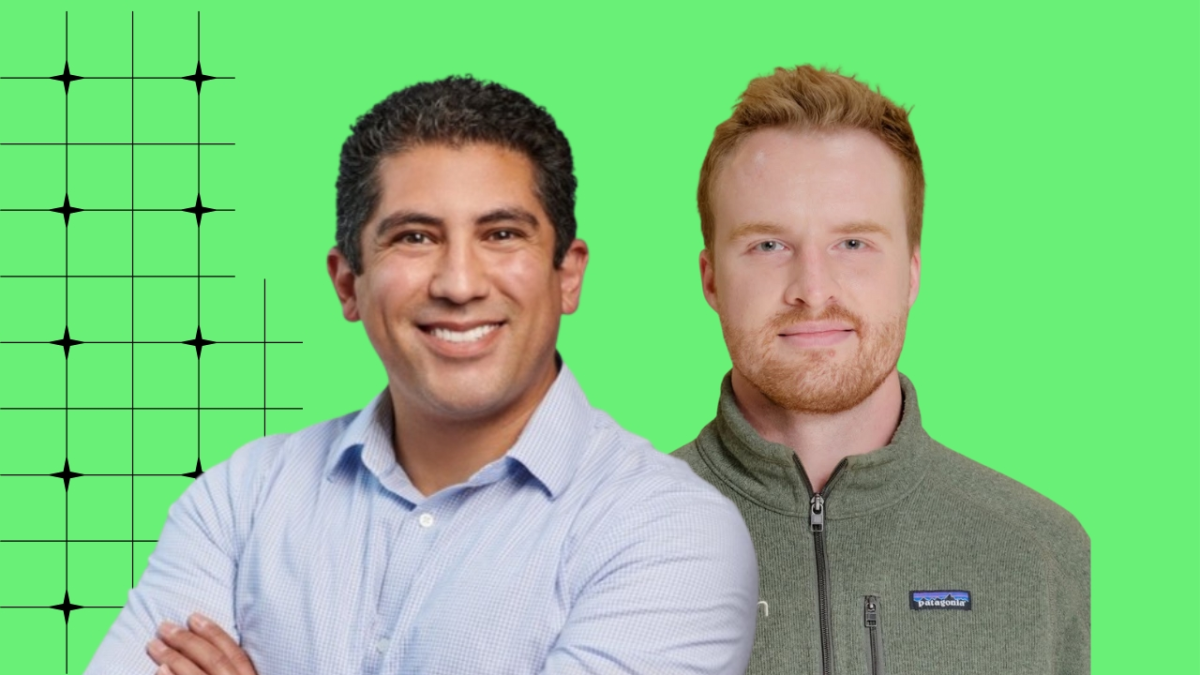

Navigating the complex world of regulatory compliance is a significant challenge for startups, particularly those operating in highly regulated industries like healthcare and end-of-life services. A recent episode of the “Build Mode” podcast, featuring interviews with founders of Enspectra Health and Earth Funeral, highlighted the hurdles and strategies involved in bringing innovative solutions to market under strict governmental oversight. The podcast explored how these companies are tackling legal and logistical roadblocks to disrupt established sectors.
The featured companies demonstrate that while innovation can thrive even within stringent regulations, it requires meticulous planning, resilience, and a deep understanding of the approval processes. Both Enspectra Health and Earth Funeral faced unique challenges, proving that regulatory pathways aren’t one-size-fits-all. Their experiences offer valuable insights for other entrepreneurs considering ventures in similarly controlled spaces.
The Long Road to FDA Clearance: Enspectra Health’s Journey
Enspectra Health, a medical device company, developed a technology aimed at eliminating the need for traditional skin biopsies performed by dermatologists. CEO and co-founder Gabriel Sanchez detailed his company’s decade-long pursuit of FDA clearance, a process often fraught with delays and uncertainty. Securing approval from the Food and Drug Administration is a critical step for any medical device, ensuring both safety and efficacy for patients.
Sanchez emphasized the importance of proactive engagement with the FDA throughout the development process. He explained that early and frequent communication can help identify potential issues and streamline the review process. Additionally, maintaining a strong team and securing sufficient funding were crucial to weathering the extended timeline and associated costs of regulatory approval.
Challenges in Medical Device Regulation
The medical device industry is subject to rigorous scrutiny due to the direct impact on patient health. According to the FDA, the agency’s premarket review process for medical devices varies depending on the risk level associated with the device. Higher-risk devices, like those intended for life-sustaining or life-supporting applications, require more extensive testing and review.
Sanchez’s experience underscores the need for startups in this space to build a robust quality management system and meticulously document all aspects of their device’s development and testing. This documentation is essential for demonstrating compliance with FDA regulations and supporting the approval application. He also noted the importance of adapting to evolving regulatory requirements, as the FDA’s guidelines can change over time.
Legislative Hurdles and Shifting Public Perception: Earth Funeral’s Experience
Earth Funeral, an end-of-life startup, offers a novel alternative to traditional burial and cremation: transforming human remains into nutrient-rich soil. While not requiring FDA approval – the agency’s purview primarily concerns living individuals – the company faced a different kind of compliance challenge: navigating a patchwork of state laws governing death care practices.
The company initially launched in a single state where its process, known as natural organic reduction (NOR), was legal. Expanding to other states required lobbying efforts to change existing legislation or introduce new laws permitting NOR. This process relies heavily on convincing lawmakers and the public of the safety and environmental benefits of the technology.
The Evolving Landscape of Death Care
The death care industry is undergoing a period of significant change, driven by factors such as environmental concerns and a growing desire for more personalized and sustainable end-of-life options. NOR, also known as human composting, is gaining traction as a more eco-friendly alternative to conventional methods. However, its acceptance varies widely across different regions and demographics.
Tom Harries, co-founder of Earth Funeral, highlighted the importance of addressing public discomfort and misconceptions surrounding the process. He emphasized the need for transparent communication and education to build trust and overcome resistance. Meanwhile, the company continues to work with legislators in various states to expand the legal availability of its services, demonstrating the power of government affairs in a regulated market.
The success of both Enspectra Health and Earth Funeral hinges on their ability to not only innovate but also to effectively engage with and navigate the regulatory landscape. Their stories illustrate that building a startup in a regulated industry is a marathon, not a sprint, requiring patience, persistence, and a strategic approach to compliance.
Looking ahead, the legislative status of NOR will continue to be a key factor in Earth Funeral’s expansion. The company is actively pursuing legislative changes in several states, with potential decisions expected in the coming months. For Enspectra Health, the focus will be on scaling production and commercialization following FDA clearance, while remaining vigilant about ongoing compliance requirements. The broader trend suggests increased scrutiny and evolving regulations within both the healthcare and death care sectors, demanding adaptability from all players involved.