


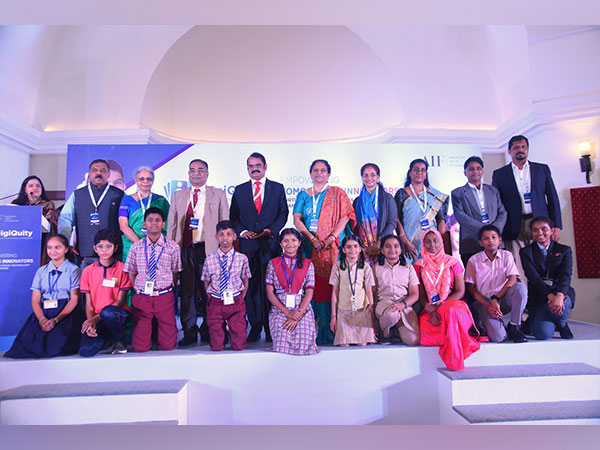

India’s journey in Science, Technology, Engineering, and Mathematics (STEM) has been nothing short of remarkable, yet the path for women in STEM has been paved with perseverance and transformative change. From pioneering botanists like V.K. Janaki Ammal and organic chemists like Asima Chatterjee to modern leaders such as Kiran Mazumdar-Shaw of Biocon and Dr. Tessy Thomas, a driving force behind India’s missile projects, women have consistently broken barriers. This report delves into the historical context, current landscape, and future possibilities for women pursuing STEM careers in India, highlighting the challenges, policy initiatives, and industry efforts aimed at fostering greater inclusivity.
The Historical Context: Pioneering Women in Indian STEM
The story of women in STEM in India isn’t a recent one. Early 20th-century figures like Janaki Ammal, renowned for her work on plant genetics, and Asima Chatterjee, a distinguished chemist, laid the groundwork for future generations. Their achievements, however, were often overshadowed and faced significant societal hurdles. These early pioneers demonstrated exceptional talent and dedication, often navigating a landscape where opportunities for women in scientific fields were severely limited.
Their legacy continues to inspire, demonstrating that talent knows no gender. However, acknowledging their struggles is crucial to understanding the ongoing challenges faced by women in STEM today.
Women in the STEM Workforce: Progress and Persistent Gaps
India has made significant strides in gender equality in STEM education, often surpassing many developed nations in female enrollment. However, a concerning disparity emerges when transitioning from academia to the professional world. While the initial numbers are promising, the representation of women in STEM careers declines dramatically, particularly as they climb the career ladder.
This “leaky pipeline” effect is a critical issue. Women often face a “two-step challenge”: successfully completing their STEM education and then navigating the complexities of entering and thriving in the workforce.
Factors Contributing to the Gender Gap
Several interconnected factors contribute to this gap. Unconscious bias and ingrained workplace cultures often lead to unequal pay, limited leadership opportunities, and a lack of recognition for women’s contributions. Work-life balance pressures, particularly in a society where traditional gender roles persist, also play a significant role.
Additionally, a lack of robust mentorship and networking opportunities, coupled with restricted access to career progression support, hinders women’s advancement. These systemic issues create barriers that prevent talented women from reaching their full potential. The need for diversity and inclusion in STEM is paramount.
Current Statistics and Emerging Trends
Despite the challenges, recent data indicates positive momentum. India’s female labor force participation rate has risen from 32.8% in 2021-22 to 41.7% in 2023-24 (Periodic Labour Force Survey), with STEM sectors showing comparatively higher rates. A 2024 LinkedIn dataset, featured in the Global Gender Gap Report 2025, reveals that women represent 41.2% of the overall workforce.
Industries like Retail/E-commerce, Healthcare, Pharma, and IT are leading the way in hiring STEM-qualified women, according to a report by NTT Data. This suggests a growing recognition of the value of a diverse STEM workforce. However, the underrepresentation of women in senior leadership positions remains a significant concern, highlighting the need for continued efforts. STEM careers are becoming increasingly accessible, but sustained progress requires addressing systemic barriers.
Government and Corporate Initiatives for Change
Recognizing the importance of fostering a more inclusive STEM ecosystem, the Indian government has launched several initiatives. The Kasturba Gandhi Balika Vidyalaya Scheme aims to improve access to education for girls, while the National Education Policy 2020 (NEP 2020) emphasizes equitable access and quality education for all.
Meanwhile, the corporate sector is also stepping up. Initiatives like the EY Foundation’s DISHA scholarship, which has awarded scholarships to approximately 65% girl students, and the EY STEM app, impacting students across 450+ schools, demonstrate a commitment to encouraging girls to pursue STEM fields.
These corporate-led programs often focus on developing inclusive educational policies, providing career support resources, and offering mentorship programs to help women navigate challenges and achieve their professional goals.
The Future of Women in STEM in India
Addressing gender diversity in STEM isn’t just a matter of equity; it’s a strategic imperative for innovation and economic growth. Fostering an inclusive environment, promoting mentorship, and actively challenging societal stereotypes are crucial steps towards enhancing the representation of women in STEM in India.
Continued investment in policymaking, proactive corporate leadership, and broader societal transformation are essential to shaping a future where women can excel and lead in STEM, driving innovation and progress. As more women enter and thrive in STEM sectors, it signifies a positive shift in policies and societal norms. However, the low number of women in leadership roles underscores the need for a sustained, concerted effort to promote inclusive practices and support systems.
To learn more and access resources designed to empower women in STEM, explore our exclusive toolkit. The future of Indian STEM depends on unlocking the full potential of all its talent.