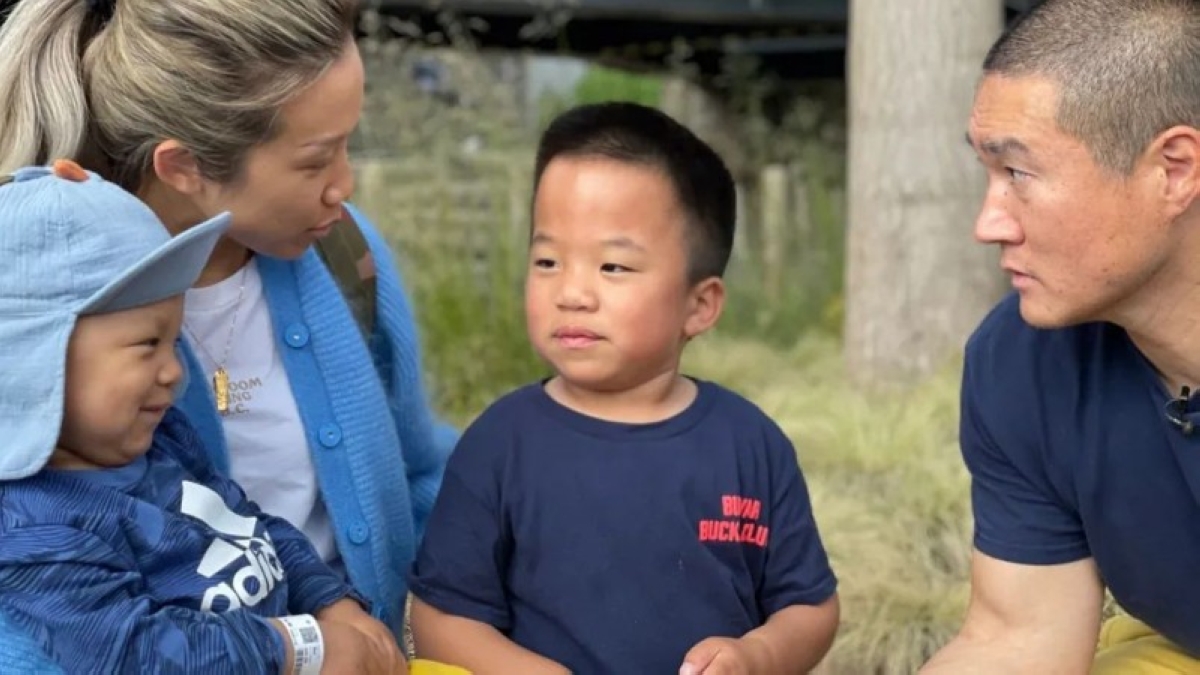

MANCHESTER – A three-year-old boy is demonstrating remarkable progress after becoming the first person globally with Hunter syndrome to undergo a groundbreaking gene therapy treatment. Oliver Chu, diagnosed with the rare genetic disorder, received the experimental treatment at Royal Manchester Children’s Hospital, and early results indicate a significant positive impact on his health and development. This innovative approach offers potential hope for individuals and families affected by this devastating condition.
The treatment, spearheaded by a team at the University of Manchester and supported by LifeArc, aims to correct the underlying genetic defect responsible for Hunter syndrome, also known as MPSII. The condition causes a deficiency in an enzyme crucial for breaking down complex sugars, leading to progressive cellular damage throughout the body and, ultimately, cognitive decline.
Understanding Hunter Syndrome and the Promise of Gene Therapy
Hunter syndrome is a rare, inherited metabolic disorder primarily affecting males, occurring in approximately one in 100,000 births. Caused by a mutation on the X chromosome, it leads to a buildup of harmful substances in cells, resulting in a wide range of symptoms. Currently, the primary treatment option, Elaprase, addresses some of the physical manifestations but cannot cross the blood-brain barrier to alleviate cognitive impairments.
Gene therapy presents a potential long-term solution by introducing a functional copy of the missing gene into the patient’s cells. In Oliver’s case, doctors harvested stem cells from his blood, modified them with a working gene to produce the missing enzyme, and then re-infused them back into his system. This process, refined over 15 years of research, utilizes a harmless virus to deliver the therapeutic gene.
The Journey to Treatment
The development of this gene therapy faced financial hurdles, nearly derailing the first-in-human clinical trial. After initial funding from Avrobio fell through, the British charity LifeArc stepped in with a crucial £2.5 million investment, allowing the trial to proceed. The ongoing trial currently includes five boys from the US, Europe and Australia.
Oliver’s Progress and Family’s Hope
Just months after receiving the treatment, Oliver is demonstrating improvements in speech, mobility, and overall cognitive function, according to his parents. His mother, Jingru Chu, described the changes as “amazing,” noting his increased engagement and enthusiasm. Significantly, Oliver has been able to discontinue weekly enzyme infusions, as his body is now producing the necessary enzyme internally.
Oliver’s older brother, Skyler, also suffers from Hunter syndrome. While Skyler has experienced some developmental delays, the family harbors hope that he too will be eligible for this potentially life-altering therapy. The team acknowledges that while Oliver’s response is positive, ongoing monitoring is critical to assess the long-term effects and durability of the treatment.
Professor Simon Jones, a co-leader of the trial, expressed his excitement about Oliver’s progress, stating it represents a significant milestone after two decades of dedicated research. He tempers this enthusiasm with a call for careful observation, emphasizing the need to confirm sustained benefits and address potential complications.
Researchers are now applying similar gene editing techniques to other forms of MPS, including MPS type 1 (Hurler syndrome) and MPS type 3 (Sanfilippo syndrome), currently in trials at the same facility. This broader application of the technology could potentially benefit more patients with rare genetic disorders.
The next steps involve continued monitoring of Oliver and the other participants in the trial for at least two years. Researchers will meticulously assess enzyme levels, cognitive development, and overall health to determine the treatment’s efficacy and safety. If the trial continues to demonstrate positive outcomes, the team aims to secure licensing for the therapy, potentially making it available to a wider patient population. The success of this trial will likely influence the development and adoption of similar therapies for other rare conditions, offering renewed hope in the field of genetic medicine.
Additionally, the effort highlights the importance of funding for research into rare diseases, as demonstrated by LifeArc’s crucial intervention. The outcomes of this trial, and the continuation of similar work, will depend on sustained investment and collaboration between researchers, clinicians, and charitable organizations.