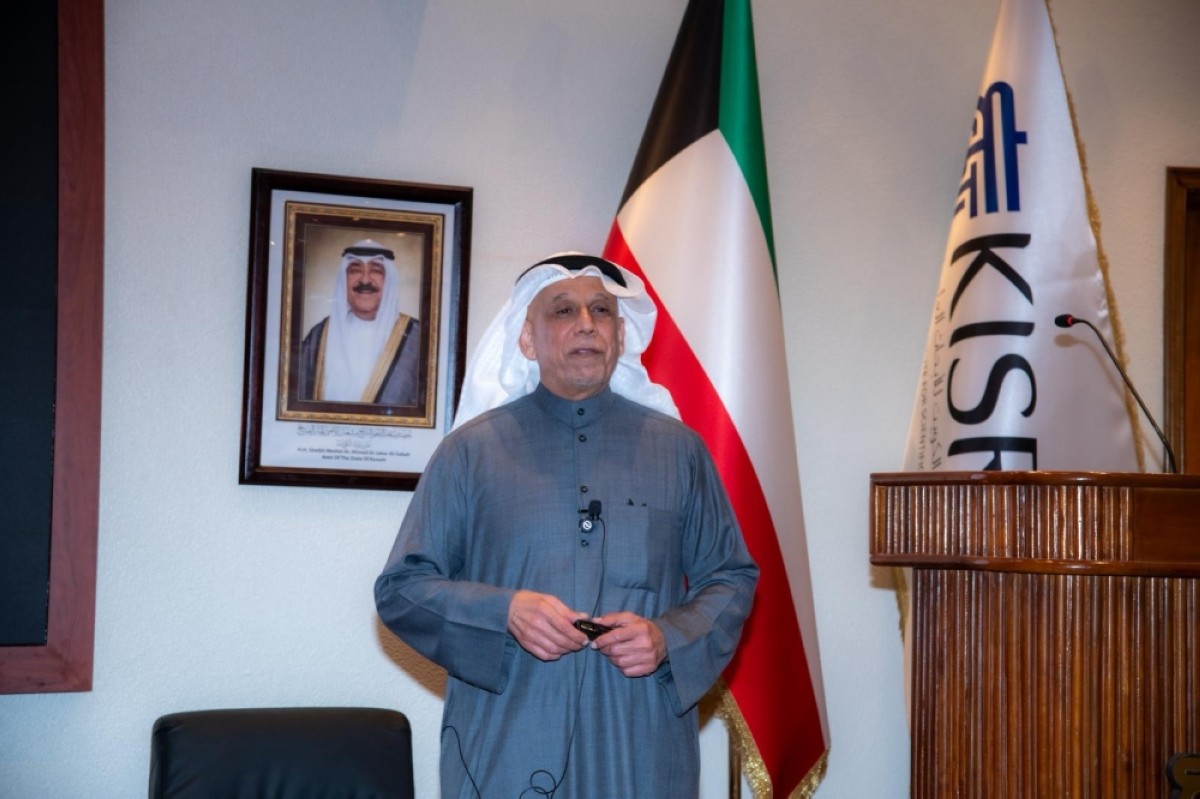

Kuwait is embarking on ambitious infrastructure projects, particularly on its largest island, Boubyan. However, the development of this strategically important landmass is not without its hurdles. Recent discussions at the Kuwait Institute for Scientific Research (KISR) lecture series on “Geohazards and Geotechnical Challenges” highlighted the complex Boubyan Island soil conditions and potential geohazards that require careful consideration and innovative solutions. These challenges, alongside broader environmental concerns, are driving a need for scientific expertise and increased regional cooperation to ensure sustainable development.
The Geotechnical Challenges of Boubyan Island
Boubyan Island’s significance is rapidly growing with ongoing projects like Mubarak Al-Kabeer Port still under construction, alongside plans for extensive road networks, bridges, a railway system, and vital electrical substations. Dr. Walid Abdullah, a seasoned geotechnical engineering consultant and former Kuwait University professor, detailed these developments during the KISR lecture series. He emphasized that the island’s foundation – largely composed of soft clay soils – presents a unique set of engineering difficulties.
Soft Soil & Foundation Stability
These soft clay soils are prone to settlement and instability, demanding specialized soil improvement techniques to support the weight of large-scale infrastructure. Traditional construction methods are often insufficient, necessitating advanced approaches like deep soil mixing, preloading, or the use of piling systems. Without proper mitigation, these issues could compromise the long-term integrity and functionality of the projects.
Furthermore, the island serves as a crucial habitat for migratory birds, adding another layer of complexity to the development process. Construction must minimize disruption to the ecosystem and adhere to strict environmental regulations. Dr. Abdullah rightly pointed out that the quality of the structures ultimately reflects the competence of Kuwait’s local experts in navigating these challenges.
Addressing Broader Geohazard Risks in Kuwait
The KISR lecture series wasn’t solely focused on Boubyan Island. Dana Shafaqah Al-Enezi, head of the series, explained that the initiative aims to tackle a range of practical geotechnical challenges facing Kuwait as a whole, with the ongoing metro project being another key example. This broader perspective acknowledges that geohazards are a pervasive concern across the country.
Dr. Ali Al-Dosari, a KISR research scientist, underscored the importance of integrated solutions for mitigating risks associated with dust storms and floods. Kuwait, like many nations in the region, is increasingly vulnerable to extreme weather events.
Dust Storms and Flood Mitigation
Ongoing projects focused on dust stabilization, coupled with the implementation of early warning systems, are crucial steps. Accurate flood mapping and the development of improved drainage networks are also essential for minimizing the health and economic impacts of these events. These measures require a multidisciplinary approach, combining meteorological data, hydrological modeling, and robust engineering solutions.
The Role of Regional Collaboration and Advanced Technologies
A key takeaway from the KISR lecture series was the vital role of regional collaboration in addressing these complex issues. Experts from the UAE and Saudi Arabia shared their knowledge and experiences in utilizing advanced geotechnical and environmental technologies.
Specifically, the application of remote sensing and Geographic Information Systems (GIS) was highlighted as a powerful tool for analyzing soil composition, groundwater levels, seismic activity, and coastal erosion risks. These technologies allow for a more comprehensive understanding of the geological landscape and enable proactive risk management. Geotechnical engineering benefits significantly from the sharing of best practices and innovative technologies across the Gulf region.
Soil Contamination and Sustainable Practices
The series also dedicated specialized panels to examining the issue of soil contamination in Kuwaiti projects and the implementation of effective geohazard management strategies. Lessons learned from real-world applications were shared, providing valuable insights for future developments.
Al-Enezi emphasized the importance of integrated management of geological risks, alongside the preservation of natural resources and the strengthening of environmental resilience. This holistic approach is fundamental to achieving truly sustainable urban and environmental development in Kuwait. The focus on sustainability extends beyond simply mitigating risks; it encompasses responsible land use, resource conservation, and the protection of biodiversity.
Looking Ahead: Sustainable Development Through Scientific Solutions
The challenges facing Boubyan Island and Kuwait as a whole are significant, but the KISR lecture series demonstrates a commitment to addressing them through scientific research and collaborative efforts. The emphasis on advanced technologies, integrated risk management, and regional partnerships provides a strong foundation for building a more resilient and sustainable future.
Successfully navigating these geohazards requires continued investment in research, the development of local expertise, and a proactive approach to environmental stewardship. The insights shared during the lecture series are a crucial step in ensuring that Kuwait’s ambitious development plans are realized responsibly and sustainably.
To learn more about Kuwait’s infrastructure projects and environmental initiatives, visit the KISR website or explore related news articles on sustainable development in the region.