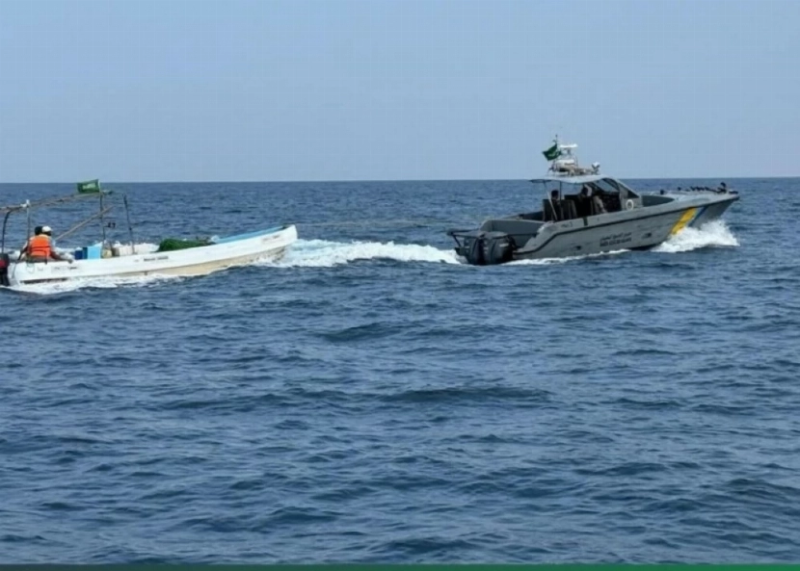

Two Egyptian nationals were successfully rescued from the Red Sea by Saudi Arabian Border Guards following a vessel breakdown. The incident occurred in the Al-Qahmah sector of the Asir region in the south of the Kingdom, prompting a rapid response from authorities. This maritime rescue highlights the ongoing commitment of Saudi Arabia to ensuring the safety of those traveling its coastal waters.
The rescue operation reportedly unfolded recently, with personnel mobilized quickly after receiving notification of the distressed vessel. Both individuals were reported to be in stable condition following their retrieval and were provided with necessary support by the Border Guard teams. The General Directorate of Border Guards has reiterated the importance of adhering to safety regulations for all seafaring activities.
Ensuring Red Sea Maritime Safety
The Saudi Border Guard plays a crucial role in safeguarding the extensive Red Sea coastline, a major international shipping lane and a popular destination for recreational boating and fishing. Patrolling and emergency response capabilities are vital given the area’s harsh conditions and the volume of traffic. This latest incident underscores the potential dangers present, even for experienced seafarers.
The Al-Qahmah sector, where the rescue took place, is known for its challenging marine environment, characterized by strong currents and potential for sudden weather changes. According to maritime reports, the area is actively used for both commercial shipping and leisure activities. Therefore, incidents requiring assistance, while managed effectively, are not uncommon.
Preventative Measures & Vessel Requirements
The General Directorate of Border Guards emphasized preventative measures as a cornerstone of safety. These include thorough pre-departure checks of vessels to confirm seaworthiness and ensuring all onboard equipment, such as navigation systems and communication devices, are in proper working order. Regulations often specify required safety gear based on vessel size and intended use.
Additionally, authorities recommend that all individuals operating boats in Saudi territorial waters possess the necessary licenses and certifications. Comprehension of local navigational charts and awareness of prevailing weather forecasts are also considered essential components of responsible boating. Failure to comply with these standards can lead to fines and restrictions on operating vessels.
Emergency Contact Protocols
Prompt reporting of emergencies is critical for a successful rescue outcome. The Directorate clearly outlined the emergency contact numbers for different regions of Saudi Arabia. Residents and citizens in the regions of Makkah, Madinah, and the Eastern Province should dial 911 for assistance.
For those located in other parts of the Kingdom, the designated emergency number is 994. These lines are staffed 24/7 to receive reports of distress and coordinate the deployment of rescue teams. Providing accurate location information and a detailed description of the situation are vital when making a call for help.
This incident comes during a period of increased tourism and maritime activity along the Saudi Red Sea coast, particularly following significant investments in tourism infrastructure. These developments, supported by initiatives like the NEOM project, are attracting more visitors and increasing the demand for sea travel services. The government is concurrently working to modernize and expand the capacity of its border security forces.
However, increased activity presents challenges in maintaining robust safety oversight. Experts note the growing need for improved maritime domain awareness, including real-time monitoring of vessel traffic and weather conditions. Investment in advanced surveillance technologies and strengthening international cooperation are frequently cited as crucial steps.
The Saudi Border Guard has demonstrated a consistent record of responding to incidents at sea, ranging from vessel breakdowns and medical emergencies to search and rescue operations for missing persons. Their ability to effectively deploy resources, including specialized marine units and aerial support, is often praised by regional maritime organizations. Further investment in personnel training related to rescue operations is consistently undertaken.
The Directorate is expected to review the circumstances surrounding this particular incident to identify any potential gaps in preventative measures or emergency response procedures. A comprehensive report, potentially outlining recommended improvements to existing safety regulations and resource allocation, is anticipated within the coming weeks. Ongoing monitoring of vessel safety compliance and public awareness campaigns are likely to be intensified. The long-term effectiveness of these measures will depend on sustained funding and inter-agency collaboration.
The incident also prompts consideration of broader maritime safety concerns in the Red Sea, including piracy threats and environmental hazards. While Saudi Arabia maintains a high level of security, regional instability can pose challenges. Continued vigilance and cooperation with international naval forces remain critical to ensuring a safe and secure maritime environment.