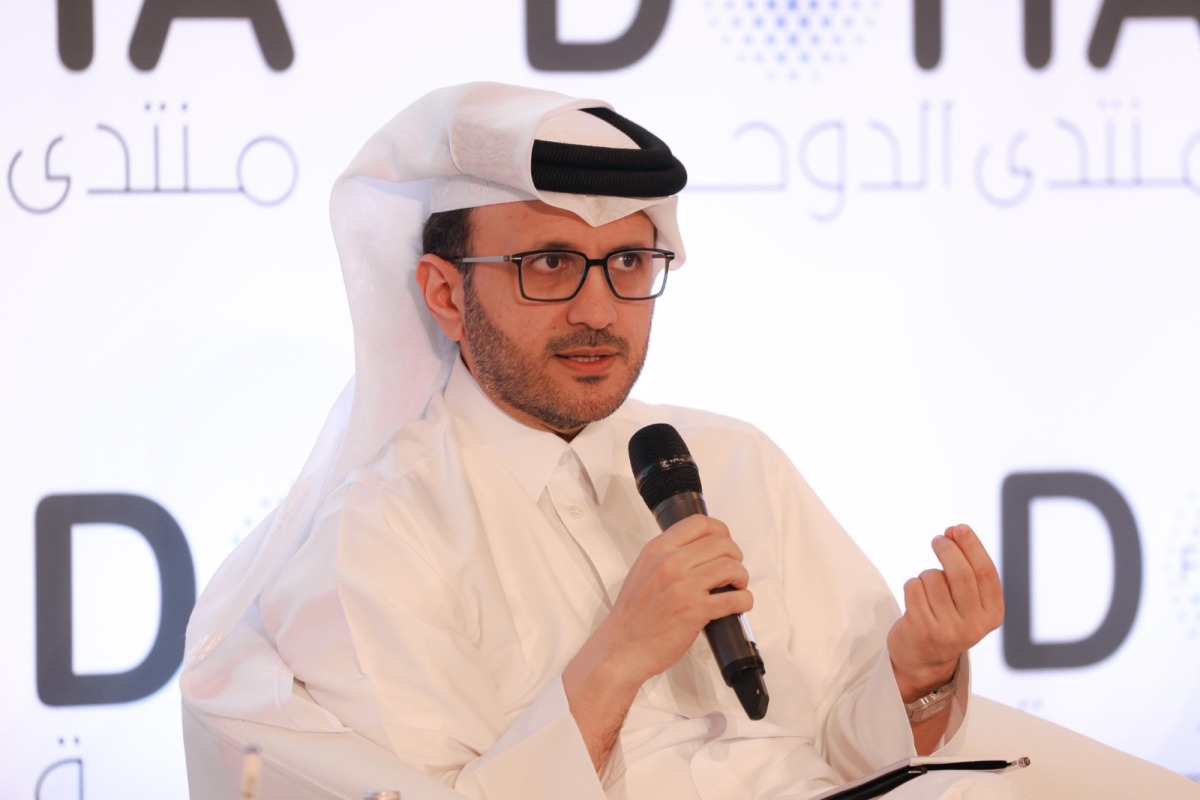

Doha – Strengthening ties between the Gulf Cooperation Council (GCC) and the European Union (EU) is crucial for maintaining regional and global stability, according to Dr. Majed Mohammed Al Ansari, Advisor to the Prime Minister and Spokesperson for the Ministry of Foreign Affairs of Qatar. Speaking at the Doha Forum 2024, Dr. Al Ansari emphasized the need for enhanced Gulf-EU relations across political, economic, and security sectors. This call for closer collaboration comes amid shifting global geopolitical dynamics and a perceived lessening of US focus on the Middle East and Europe.
The discussion, titled “Gulf-EU Relations in the Age of Strategic Isolation,” featured prominent figures including Dr. Norbert Rottgen, a German Member of Parliament, Dr. Paolo Magri, President of the Advisory Board of the Italian Institute for International Political Studies (ISPI), and Dr. Abdulaziz Sager, Founder and Chairman of the Gulf Research Center. The panel was moderated by Caroline Kanter of the Konrad-Adenauer-Stiftung (KAS).
The Evolving Geopolitical Landscape and the Need for Gulf-EU Relations
Recent strategic announcements, such as the US National Security Strategy, suggest a potential recalibration of American foreign policy priorities. This shift, according to Dr. Al Ansari, necessitates a more direct and robust partnership between the Gulf states and the EU to address shared challenges and maintain a stable international order. The panel participants agreed that the current global environment is marked by an erosion of international norms and a weakening of global institutions.
A key area for cooperation highlighted was energy security. The Gulf region remains a significant supplier of oil and gas, and the stability of global energy markets is intrinsically linked to maritime security and effective regulatory frameworks. European cooperation is vital in ensuring stable demand and market conditions, while Gulf nations contribute to reliable supply. This mutual dependence underscores the importance of a strong Gulf-EU partnership.
Boosting Trade and Visa Facilitation
Progress on a Free Trade Agreement (FTA) between the GCC and the EU has been slow, and Dr. Al Ansari attributed this partly to a lack of consistent technical engagement between the two sides. He argued that increased technical dialogue would foster a better understanding of shared interests and facilitate progress on key issues, including potential Schengen visa exemptions for GCC citizens. Streamlining travel and trade procedures is seen as a critical step in deepening economic cooperation.
However, the path to a comprehensive FTA is not without obstacles. Disparities in regulatory standards and differing economic priorities require careful negotiation and compromise. The EU is also currently navigating its own internal trade policy adjustments, which could influence the timeline and scope of the agreement.
Shared Values and Cultural Understanding
Beyond economics and security, the panel emphasized the importance of building connections based on shared values. Dr. Al Ansari noted a convergence between European values, rooted in the post-World War II era, and those prevalent in the Gulf region. He stressed the need to cultivate these values through mutual respect and an appreciation for cultural diversity, arguing that embracing diversity strengthens social cohesion and counters isolationism. This focus on societal connectivity is seen as a long-term investment in a stable relationship.
Meanwhile, participants also pointed to the underutilization of the existing potential in Gulf-EU relations, often overshadowed by other pressing global concerns. They advocated for a broader strategic vision that extends beyond immediate regional interests and actively engages with middle powers to promote global stability.
The discussion also touched upon areas like defense cooperation, technology transfer, and security coordination as central to a strengthened partnership. Joint initiatives in these fields, the panel suggested, would serve the interests of both sides while effectively addressing regional and international challenges.
Looking ahead, the Doha Forum discussions are expected to inform policy recommendations aimed at bolstering Gulf-EU cooperation. The timeframe for concrete action remains uncertain, dependent on ongoing negotiations and evolving geopolitical circumstances. Observers will be watching for signs of increased technical dialogue on the FTA and any concrete steps towards easing visa restrictions for GCC citizens. The success of these efforts will be a key indicator of the commitment to a more robust and sustainable Gulf-EU relations in the years to come.