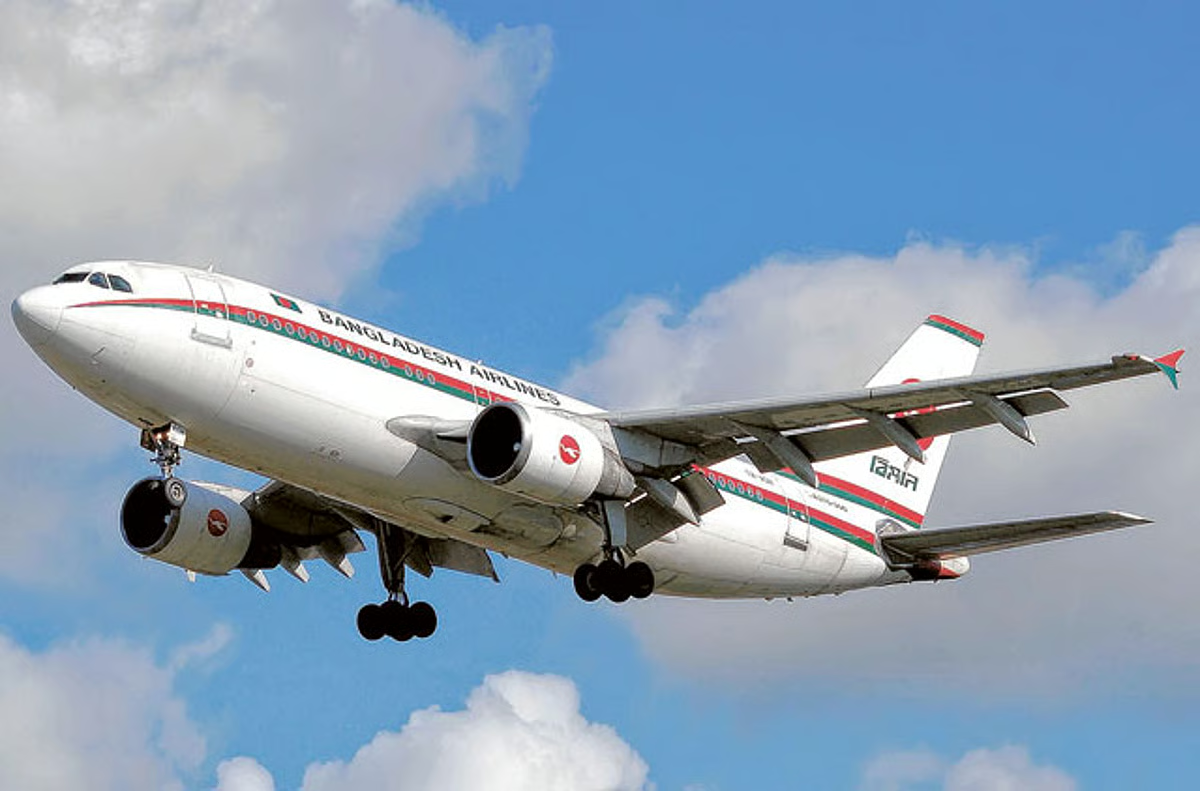

Direct flights between Dhaka and Karachi resumed in December 2025, filling a significant gap in regional connectivity after a decades-long pause. The re-establishment of air links follows a period of improved diplomatic relations between Bangladesh and Pakistan, spurred by political changes in Dhaka. Pakistan’s AirSial and Bangladesh’s Biman are currently operating the route, offering new travel and cargo options.
The resumption of commercial air travel marks a notable shift in the relationship between the two South Asian nations. For years, limited diplomatic engagement and a lack of direct transport options hindered trade and people-to-people contact. The recent political developments in Bangladesh, including the ousting of Sheikh Hasina in a student-led uprising, created an environment conducive to improved ties, culminating in high-level visits and agreements.
The Return of Flights: A New Travel Corridor
The warming of relations began to materialize in August 2024 with a visit to Dhaka by Pakistani Deputy Prime Minister Ishaq Dar – the highest-level engagement in over ten years. This visit led to the signing of key trade and diplomatic agreements, paving the way for increased economic cooperation. Notably, direct cargo ship routes between Karachi and Chittagong Port were also established, streamlining the movement of goods.
AirSial received approval from Pakistani aviation authorities to operate flights to Bangladesh, and Biman, the Bangladeshi flag carrier, was granted a three-month operating permit by the Pakistan Civil Aviation Authority, valid until March 26th. According to reports, Biman strategically timed the launch of the Karachi service following a temporary suspension of its Manchester route, allowing it to reallocate aircraft capacity to meet the anticipated demand for travel to Pakistan.
Flight Schedules and Capacity
Currently, Biman operates flights from Dhaka to Karachi on Thursdays and Saturdays, departing at 8:00 PM and arriving at 11:00 PM local time. Return flights leave Karachi at midnight, landing in Dhaka at 4:20 AM. The approximately 3,300-kilometer route is being serviced by both widebody and narrowbody aircraft, depending on passenger load and operational requirements.
The initial three-month permit granted to Biman is designed to assess passenger demand and operational feasibility. This trial period will provide valuable data for both airlines and regulatory bodies to determine the long-term viability of the route. Industry analysts suggest that the demand for flights between Dhaka and Karachi is likely to be driven by business travelers, students, and individuals visiting family.
Factors Driving Improved Bangladesh-Pakistan Relations
The shift in Bangladesh-Pakistan relations is rooted in a complex interplay of political and economic factors. The change in government in Bangladesh, following widespread protests, signaled a desire for a reset in foreign policy. Pakistan, meanwhile, has been actively seeking to strengthen regional ties and expand its economic influence in South Asia.
However, historical tensions and unresolved issues continue to present challenges. The legacy of the 1971 Liberation War remains a sensitive topic, and addressing these historical grievances will be crucial for building a truly sustainable relationship. Additionally, concerns regarding regional security and counter-terrorism cooperation will need to be addressed through ongoing dialogue and collaboration.
The resumption of air travel is also expected to boost bilateral trade. Pakistan and Bangladesh share a significant trade relationship, with key exports including textiles, agricultural products, and manufactured goods. Direct flights will facilitate faster and more efficient movement of cargo, reducing transportation costs and enhancing competitiveness. The improved connectivity is also anticipated to encourage increased investment in both countries.
The easing of travel restrictions also benefits the large Bangladeshi diaspora residing in Pakistan, and vice versa. Many individuals travel between the two countries for family visits, medical treatment, and educational opportunities. Direct flights will significantly reduce travel time and costs, making it easier for people to maintain connections with their home countries.
Looking ahead, the next key step will be the evaluation of the initial three-month trial period for Biman’s operations. Based on the demand data collected, Pakistani authorities will decide whether to extend the operating permit and potentially allow for an increase in flight frequency. Further negotiations on expanding air service agreements and addressing outstanding bilateral issues are also expected. The long-term success of this renewed connectivity will depend on sustained political will and a commitment to fostering trust and cooperation between Bangladesh and Pakistan. The future of international flights in the region remains subject to ongoing geopolitical developments and economic conditions.