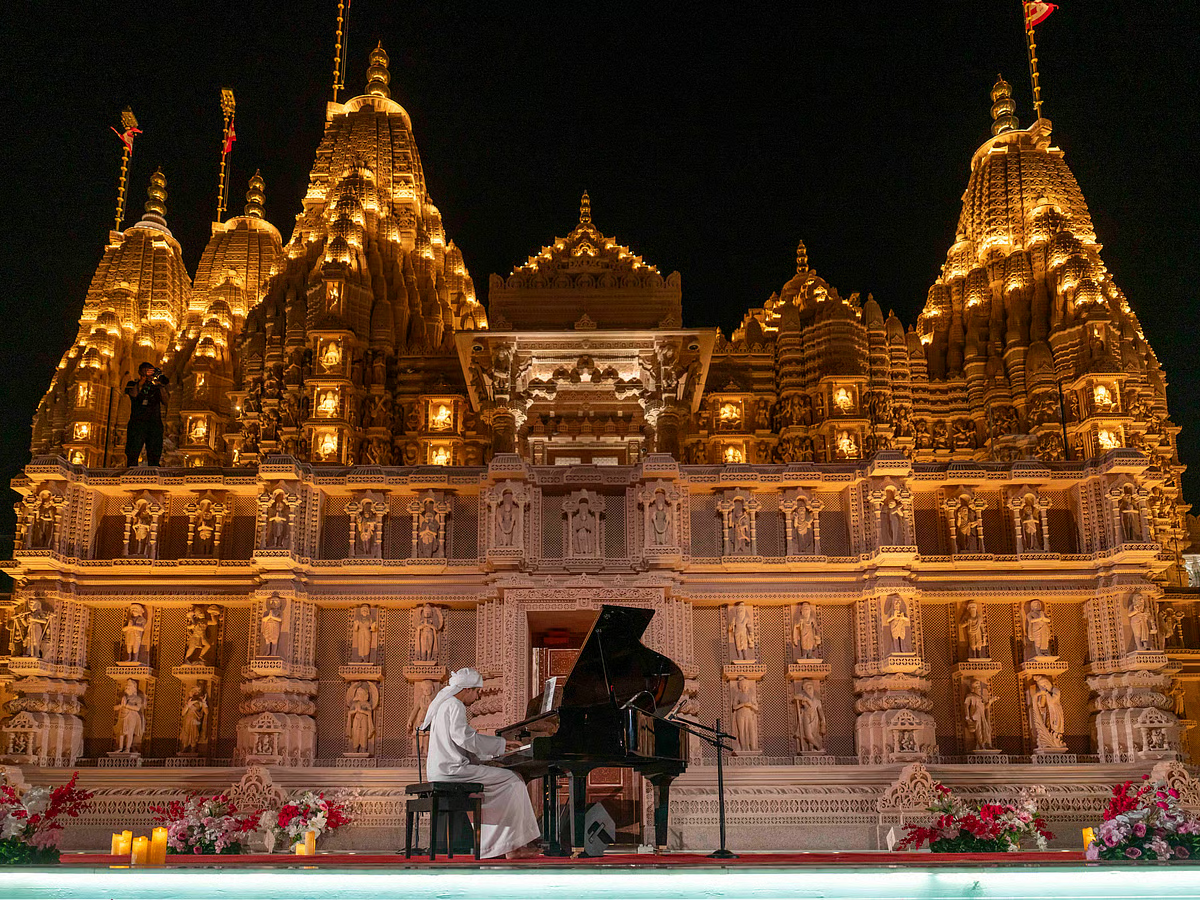

The lavish spectacle of a big fat Indian wedding continues to be a significant cultural and economic phenomenon, with celebrations often spanning multiple days and attracting hundreds or even thousands of guests. These weddings, renowned for their elaborate rituals, opulent décor, and extensive hospitality, are frequently held in grand venues across India and increasingly, internationally. Recent reports suggest a resurgence in destination weddings and increased spending post-pandemic, solidifying the tradition’s importance within Indian society and the event management industry.
Historically rooted in societal customs and familial connections, the modern big fat Indian wedding often reflects a blend of tradition and contemporary influences. While the specifics vary widely based on region, religion, and family preferences, common elements include pre-wedding ceremonies like the mehendi and sangeet, a formal wedding ceremony (shaadi or vivah), and post-wedding rituals. The overall expense can range dramatically from several thousand dollars to several million, impacting local economies and shaping travel trends.
Understanding the Bride and Groom’s Roles in a Big Fat Indian Wedding
The bride and groom are, unsurprisingly, central to the entire event. However, their roles extend far beyond merely being the marrying couple; they are the figureheads around which the celebrations revolve, and their participation is deeply symbolic. Traditionally, the families of both the bride and groom share the financial burden and responsibilities of planning the wedding, though the groom’s family often contributes a larger portion.
The Bride’s Journey
For the bride, the period leading up to the wedding is marked by rituals intended to bless her for a prosperous married life. The mehendi ceremony involves intricate henna designs applied to her hands and feet, considered auspicious. The sangeet, a musical evening, sees family and friends performing songs and dances dedicated to the couple.
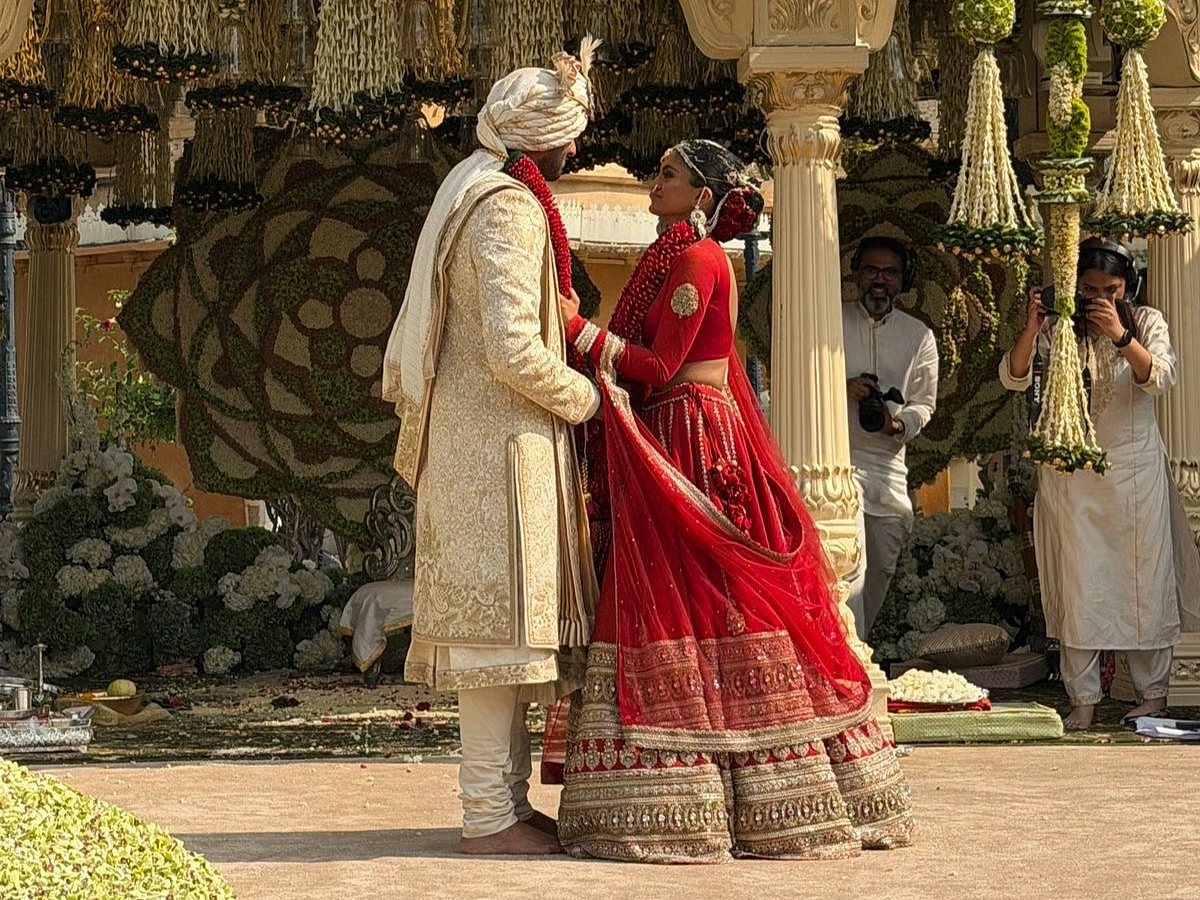
Her attire is typically elaborate and signifies her transition into married life. A traditional red lehenga (skirt and blouse) is common, often heavily embroidered with gold and precious stones. Jewellery plays a crucial role, with families often gifting the bride pieces representing wealth and security – a key aspect of Indian matrimony. The weight and value of the gold gifted can be substantial, sometimes functioning as a form of dowry, though this practice is illegal in India.
The Groom’s Responsibilities
The groom also has specific rituals to undertake. Traditionally, he arrives at the wedding venue on a ghodi (decorated horse) in a procession called a baraat, accompanied by family and friends dancing to music. This signifies his willingness to take on the responsibilities of marriage and protect his future wife.
The groom’s attire generally consists of a sherwani, a long coat-like garment, or a traditional kurta and pyjama, often paired with a safa (turbans) or pagri. Like the bride, the groom may also receive valuable gifts, frequently including clothing, watches, and other status symbols. The emphasis on appearance and gifting reinforces the social significance of the union and family status.
The Economic Impact of Big Fat Indian Weddings
The economic impact of destination weddings in India, and opulent events generally, is considerable. The wedding industry is estimated to contribute billions of dollars to the Indian economy annually. This includes expenditures on venue rental, catering, clothing, jewellery, transportation, and entertainment.
According to a report by the Confederation of Indian Industry, the Indian wedding market is projected to reach $100 billion by 2025. This growth is fuelled by a rising disposable income, changing social preferences, and the increasing desire for personalised and unique wedding experiences.
Furthermore, these weddings generate substantial employment opportunities in the hospitality, tourism, and event management sectors. Craftspeople involved in creating traditional attire and jewellery benefit significantly, as do vendors providing flowers, decorations, and other wedding-related services. However, this wealth isn’t always evenly distributed. Concerns regarding extravagant spending when a significant portion of the population lives in poverty often surface.
Shifting Trends and Modern Influences
While traditional elements remain core, wedding planning in India is witnessing a shift towards contemporary preferences. Increased emphasis is being placed on personalized experiences, unique themes, and sustainable practices. Many couples now opt for professional wedding planners to manage the logistics and ensure a seamless event.
The rise of social media has also played a significant role, with couples increasingly seeking inspiration from online platforms and sharing their wedding experiences with a wider audience. This has led to a demand for “Instagrammable” venues and photo opportunities, driving up costs for aesthetic enhancements. Additionally, increasingly, couples are contributing financially to their own weddings, allowing for greater control over planning and design.
However, traditional family involvement remains strong. Parents and extended family members typically have significant input into the decision-making process, particularly regarding the selection of a life partner and adherence to cultural norms. Arranged marriages, while declining in urban areas, still represent a substantial proportion of marriages in India, influencing the structure and expectations surrounding the wedding ceremony.
Concerns surrounding wasteful expenditure have led to some families embracing more understated celebrations. The government has also occasionally issued guidelines encouraging responsible wedding spending, especially around festive seasons. These calls for moderation haven’t drastically altered the widespread trend of lavish weddings, but represent a growing awareness of social responsibility.
Looking ahead, the big fat Indian wedding is likely to continue evolving, blending tradition with innovation. The industry is expected to embrace technology further, with virtual reality experiences and personalized wedding apps becoming increasingly common. The long-term effects of economic fluctuations and social changes on the scale and extravagance of these celebrations will need to be monitored; the cost of organising such events and the potential for regulations are key uncertainties for the future of the industry.