
Qatar’s commitment to combating corruption has received international praise as the Eleventh Session of the Conference of the States Parties to the United Nations Convention against Corruption (COSP11) continues in Doha. The conference, a key forum for global anti-corruption efforts, is being held in Qatar for the second time, highlighting the nation’s growing role in international governance. Discussions at COSP11 focus on strengthening cooperation and assessing progress in the global fight against illicit financial flows and related crimes.
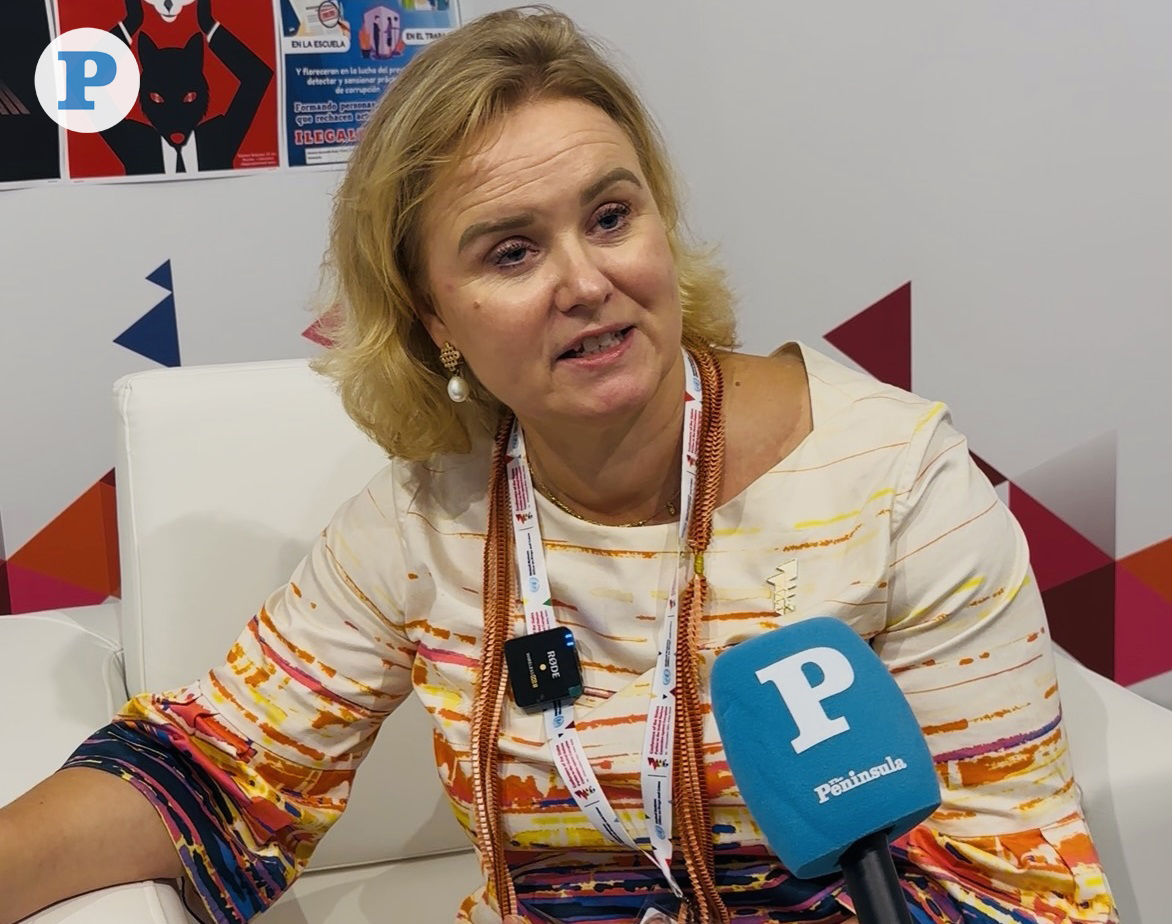
Speaking with The Peninsula, H.E. Caroline Vermeulen, Ambassador and Permanent Representative of Belgium to the United Nations and International Organisations in Vienna, lauded Qatar’s dedication to multilateralism and transparency. She emphasized that hosting COSP11 demonstrates Qatar’s proactive stance on addressing a global challenge that requires collective action. The conference, which began on November 20th, is expected to conclude on November 24th, 2023.
The Importance of International Cooperation in Fighting Corruption
Ambassador Vermeulen stressed the transnational nature of corruption and organized crime, noting that these issues pose significant threats to global stability and security. Effective responses, she argued, necessitate robust international collaboration and the harmonization of legal frameworks. This sentiment is widely shared among participating nations, as highlighted by ongoing side events focused on asset recovery and international legal assistance.
Belgium’s Role and Priorities
Belgium is participating in COSP11 with a substantial delegation comprised of experts spanning the entire spectrum of anti-corruption work. According to the Ambassador, this includes specialists in prevention, law enforcement, and judicial cooperation. Belgium signed the UN Convention against Corruption in 2003 and has consistently advocated for enhanced collaboration, particularly within the European Union and the Organisation for Economic Co-operation and Development (OECD).
The country’s approach to tackling corruption is comprehensive, focusing on both domestic reforms and international partnerships. Belgium has implemented various measures to strengthen its own governance structures and promote transparency in public procurement, areas often vulnerable to illicit activities. Additionally, Belgium actively supports initiatives aimed at improving data sharing and cross-border investigations.
The Private Sector’s Responsibility
Ambassador Vermeulen also underscored the critical role of the private sector in preventing and combating corruption. Businesses, she stated, have a responsibility to uphold ethical standards, implement robust compliance programs, and ensure transparency throughout their supply chains. This aligns with growing international recognition of the need to engage the private sector as a key partner in anti-corruption efforts.
Initiatives taking place in Doha during COSP11, bringing together public officials and private sector representatives, are seen as positive steps towards fostering this collaboration. These dialogues aim to identify best practices and develop joint solutions to address challenges related to corporate governance and anti-bribery measures. A level playing field, she added, is essential for sustainable economic development and fair competition.
The Ambassador expressed appreciation for Qatar’s hospitality and its commitment to facilitating productive discussions. She noted that Qatar’s willingness to host COSP11 reflects a shared vision with Belgium of responsible global citizenship and a dedication to strengthening the multilateral system. This shared objective is crucial for addressing complex transnational challenges like financial crime and illicit enrichment.
Looking ahead, the outcomes of COSP11 will inform national policies and international strategies for combating corruption. Key areas to watch include progress on asset recovery, the implementation of beneficial ownership transparency standards, and the strengthening of international legal frameworks. The success of these efforts will depend on continued political will and sustained cooperation among all States Parties to the UN Convention against Corruption, as well as increased engagement from the private sector and civil society organizations. Further reports and resolutions stemming from the conference are expected in the coming months.
Related secondary keywords used: United Nations Convention against Corruption, OECD, Council of Europe