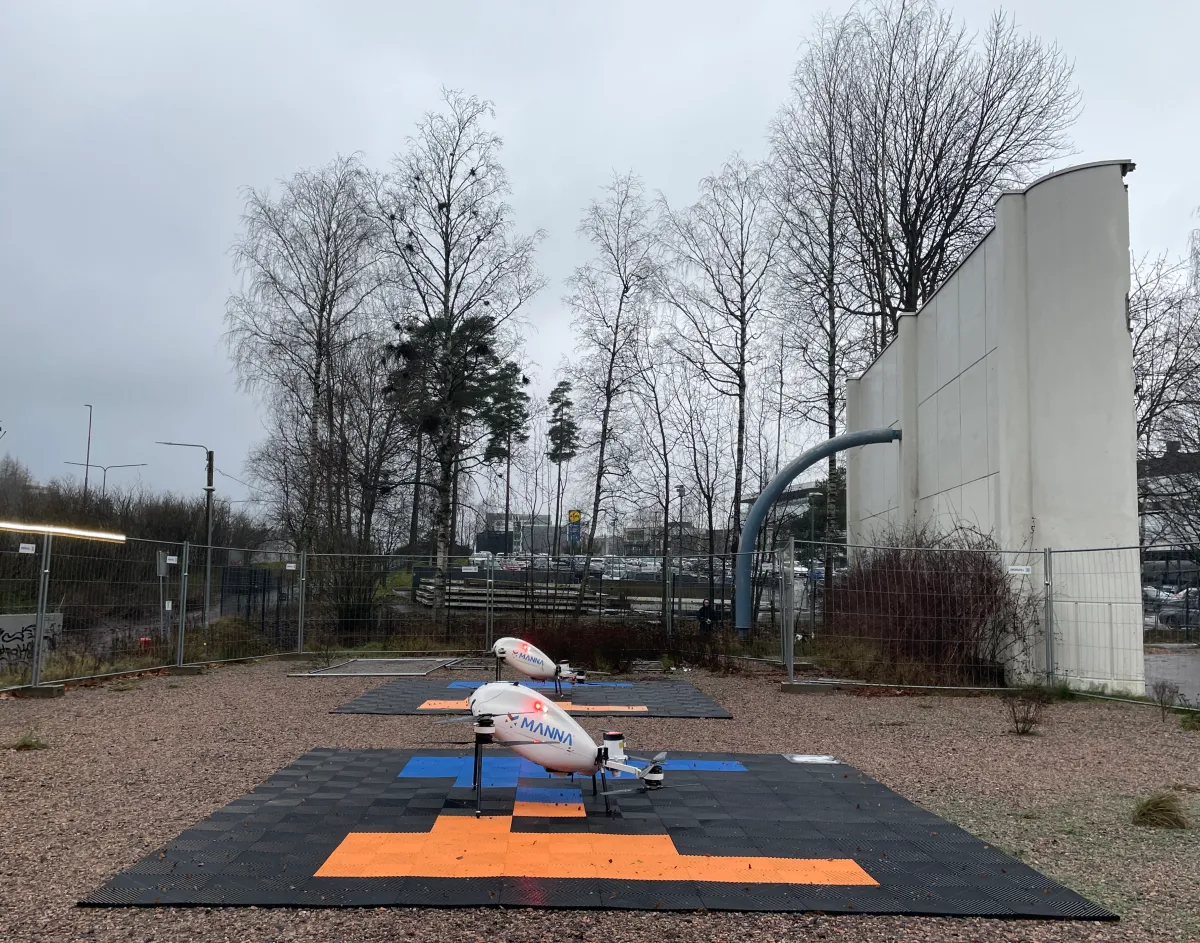

Despite a challenging climate, drone delivery is becoming a reality in Finland, thanks to a partnership between Irish company Manna, food delivery platform Wolt, and Finnish startup Huuva. The collaboration aims to provide faster and more efficient food delivery to suburban areas surrounding Helsinki, addressing logistical gaps in traditional delivery services. This pilot program offers a glimpse into the future of last-mile delivery, and potential expansion throughout Europe.
Finnish entrepreneur Ville Leppälä showcased the operation to TechCrunch, outlining how customers ordering from Huuva’s Niittari location in Espoo are now presented with a drone delivery option. Huuva, initially focused on cloud kitchens, sees drone technology as a key component in reaching customers beyond city centers.
The Rise of Drone Delivery in Europe
European suburbs, while less sprawling than their American counterparts, often lack the diverse food options available in capital cities. Huuva addresses this through partnerships with popular restaurant brands, and drone delivery promises to bring those meals directly to consumers with increased speed. The project began after securing necessary permits and following a pilot phase in February, has been fully operational for the past two months.
Manna, already boasting over 50,000 deliveries completed in Dublin, brought its operational expertise to Finland. Each drone can carry approximately 4.4 pounds, and in some cases, two drones are dispatched simultaneously to accommodate larger orders, including groceries available through Wolt Market. This multi-package capability adds to the convenience for customers.
For Huuva, the economic benefits are significant. The company estimates current delivery costs at €5-6 (approximately $6-8) per order. Drone delivery, they project, could reduce these costs to around €1 ($1.16), improving sustainability and potentially lowering prices for consumers. This cost reduction is a driving factor for exploring wider implementation.
Navigating the Challenges of Nordic Weather
Finland’s harsh weather conditions present unique hurdles for drone operation. However, Manna’s experience in Ireland, which shares similar rainy and windy climates, proved valuable. Makar Nalimov, Manna’s local operations and maintenance lead, explained that the drones are already well-tested for wind, rain, and even snow. Icing remains a concern, but procedures are in place to switch to traditional courier delivery when conditions are unfavorable.
This highlights a crucial aspect of the rollout: drones are integrated into a broader last-mile delivery network. Wolt is already experimenting with sidewalk robots from Coco and Starship, and its parent company, DoorDash, is developing its own delivery robot, “Dot.” These diverse approaches provide flexibility and redundancy in unpredictable environments.
Ensuring Safety and Regulatory Compliance
Safety is paramount in drone delivery operations. Manna employs a range of measures to comply with regulations and minimize risk. Batteries are regularly swapped to ensure full charge, and the system incorporates redundancy at multiple levels. As a final safeguard, each drone is equipped with a parachute.
The delivery process itself is carefully controlled. While local staff prepare the packages, the flight control remains in Ireland. Operators assess lidar maps, review the flight plan, and pinpoint a precise landing location near the customer. This location is then visually confirmed by the drone before the package is lowered using biodegradable rope.
Currently, orders are transferred from Huuva’s kitchen to Manna’s operators via e-scooter. However, Huuva is exploring options for a more streamlined process, including a dedicated launchpad with direct access to the kitchen via a delivery window. This would eliminate the intermediary step and further enhance efficiency. Another aim is customization of delivery bags with the Huuva logo, pending regulatory approval. This move is symbolic of their growing commitment to the service.
The growing reliance on drones necessitates a robust regulatory framework for last-mile delivery. Stringent safety protocols and ongoing monitoring are critical for public acceptance and responsible innovation.
Manna’s team in Finland is now routinely processing double-digit deliveries per day and is preparing for its first winter operations. The company’s experiences in Espoo will likely inform future expansions and advancements in drone delivery technology. As for Huuva, the startup is evaluating further expansion of the drone program within Espoo, contingent on logistical improvements and continued regulatory support. Analysts will be watching closely to see if the cost benefits translate into wider adoption and whether similar models take flight in other European cities.