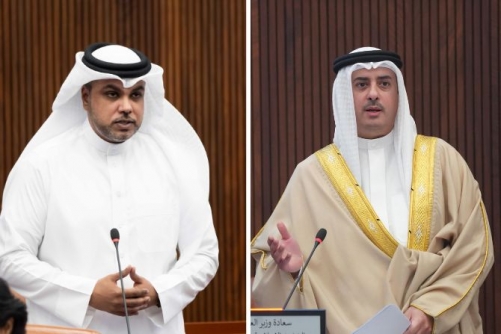

The Bahraini Parliament has taken a significant step towards streamlining access to justice for citizens involved in smaller civil disputes. Yesterday’s approval of a proposal to raise the limit for utilizing witness testimony in court marks a practical change aimed at reducing the burden on the judicial system and offering a more accessible resolution path for claims up to BD1,000. This adjustment to the civil dispute resolution process is expected to have a positive impact on many residents.
Expanding Witness Testimony in Bahraini Courts
The approved amendment modifies the Law of Evidence in Civil and Commercial Matters (Legislative Decree No. 14 of 1996), specifically replacing Articles 61 and 62. Previously, witness testimony was generally admissible in proving the existence or termination of a legal transaction only up to a value of BD500. The new legislation increases this ceiling to BD1,000 for non-commercial cases.
This means individuals pursuing or defending claims involving amounts up to BD1,000 will have a greater opportunity to present their case based on witness accounts, rather than being required to produce more formal documentation. This is particularly beneficial in situations where written contracts are absent or incomplete, a common scenario in everyday transactions.
What This Means for Individuals
For many Bahrainis, this change represents a more practical and affordable route to resolving disagreements. Consider a dispute over a service rendered, a loan between friends, or damage to personal property. Often, these situations lack comprehensive written agreements. Relying on witness testimony can significantly lower the costs associated with legal proceedings, as gathering documentary evidence can be expensive and time-consuming.
The amendment aims to alleviate pressure on the courts by encouraging more efficient settlements of smaller claims. By allowing witness accounts to carry more weight, the hope is that more cases will be resolved without the need for lengthy and complex trials. This contributes to a faster and more responsive legal system Bahrain.
The Impact on the Judicial System and Commercial Matters
While the increase primarily benefits individuals in non-commercial disputes, it also has broader implications for the efficiency of the Bahraini judicial system. Reducing the number of minor cases clogging the courts allows judges to focus on more complex and high-value commercial litigation.
It’s important to note the amendment specifically applies to non-commercial cases. The rules governing evidence in commercial disputes remain unchanged. This distinction is crucial, as commercial transactions typically involve more sophisticated parties and a greater expectation of documented agreements. The existing framework for commercial litigation Bahrain ensures a higher standard of proof for these types of cases.
Addressing Concerns and Ensuring Fairness
Some legal experts have raised questions about the potential for increased disputes or challenges to the validity of witness testimony. However, proponents of the amendment argue that the existing legal framework already provides mechanisms for assessing the credibility of witnesses and ensuring a fair trial.
Judges retain the discretion to determine the weight given to witness testimony, considering factors such as the witness’s relationship to the parties involved, their consistency, and any potential biases. The amendment doesn’t automatically validate all witness statements; it simply expands the circumstances under which they can be considered as evidence.
Streamlining Access to Justice: A Positive Development
The Parliament’s decision to expand the use of witness testimony in lower-value civil disputes is a welcome development for Bahrain. It demonstrates a commitment to making the legal system more accessible and efficient for all citizens. By recognizing the practical realities of everyday transactions and reducing the reliance on costly documentation for smaller claims, this amendment empowers individuals to pursue justice without facing undue financial hardship.
This change is a significant step towards modernizing the civil dispute resolution process in Bahrain, aligning it with the needs of a dynamic society. It’s anticipated that this will lead to quicker resolutions, reduced court backlogs, and increased confidence in the fairness and accessibility of the legal system.
Looking ahead, it will be important to monitor the impact of this amendment and assess whether further adjustments are needed to ensure its continued effectiveness. The success of this initiative will ultimately be measured by its ability to provide a just and efficient outcome for those involved in smaller civil disputes. If you are facing a civil dispute in Bahrain, it is always recommended to seek legal counsel to understand your rights and options under the updated law.