
The Azerbaijan-Armenia normalization process continues to show promising progress, with both nations signaling a commitment to lasting peace after decades of conflict. A pivotal moment occurred in August 2024, when leaders from Azerbaijan and Armenia convened at the White House and signed essential documents aimed at establishing a framework for full normalization. Recent developments, including fuel exports and ongoing border negotiations, suggest a continued trajectory toward improved relations in 2025 and beyond, with further steps planned for 2026.
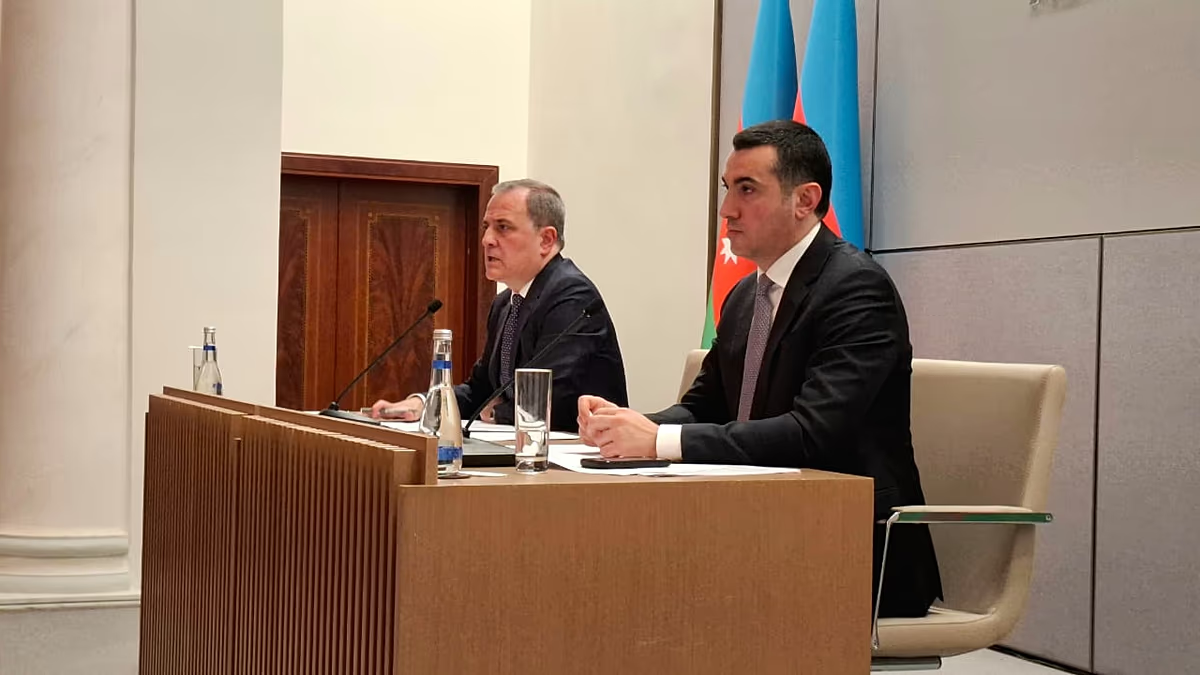
Baku recently detailed expectations for the coming year during an annual press conference hosted by the Azerbaijan Foreign Ministry. Foreign Minister Jeyhun Bayramov addressed key areas of discussion, including petroleum exports, tariff applications, border delimitation, and the potential for increased mutual visits between citizens of both countries. This follows a period of cautious optimism spurred by the initial agreements reached in Washington.
Fuel Trade Signals Azerbaijan-Armenia Normalization
A significant step forward has been the resumption of fuel exports from Azerbaijan to Armenia via rail through Georgia – the first such trade in decades. According to Bayramov, Armenia initially requested the oil product supply, and Azerbaijan agreed to facilitate it. This move, while initially met with some opposition within Armenia, is largely considered a positive development.
The initial implementation of the fuel trade faced challenges related to transit tariffs imposed by Georgia. The minister explained that the proposed fees were unusually high and didn’t align with standard practices. However, following intervention from the Georgian leadership, the tariff issue was resolved, and market-aligned rates are now being negotiated directly between companies. Georgia has confirmed a waiver of transit fees for the initial shipment.
Infrastructure Development and Regional Connectivity
Beyond fuel, discussions are underway regarding broader economic cooperation and infrastructure projects. A key initiative is the development of the TRIPP (Trump Route for International Peace and Prosperity) corridor, designed to enhance connectivity between the countries and the wider region. However, progress on TRIPP has been hampered by outstanding infrastructure needs.
Specifically, the re-establishment of a rail connection between western Azerbaijan and the Nakhchivan Republic, initially agreed upon in 2020, was stalled by the Second Karabakh War. Azerbaijan is currently investing in the necessary infrastructure to complete its portion of the rail link, with Bayramov stating that the lines are expected to reach the Armenian border by 2026. Armenia is simultaneously pursuing bilateral negotiations with the United States to establish the legal and regulatory framework required for its contribution to the project.
Additionally, the past few months have seen a rise in expert-level visits between Azerbaijan and Armenia, fostering dialogue and mutual understanding. These exchanges are expected to continue and potentially expand in scope throughout 2026, according to the ministry.
Progress on Border Delimitation
Alongside economic and infrastructure developments, the process of border delimitation is actively progressing. Approximately 12 kilometers of the Azerbaijani-Armenian border have already been officially demarcated. This process is being conducted in stages, starting from the trilateral border point with Georgia and moving towards the border with Iran. The Council on Foreign Relations provides background on the historical conflict.
Bayramov emphasized that regulations related to the delimitation process have been approved, and that the resolution of enclave and exclave issues will be addressed within this broader framework. The goal is to ensure both security and a long-term, stable peace between the two nations. The ongoing negotiations are complex, involving historical claims and current geopolitical considerations.
Looking ahead, the focus will remain on continuing the border delimitation process, expanding economic ties, and solidifying the infrastructure projects that will underpin a more integrated and peaceful future for Azerbaijan and Armenia. Observers will be watching closely to see how these initiatives unfold and whether they can overcome remaining obstacles to achieve full Azerbaijan-Armenia normalization. Stay informed about developments in the region by following official government statements and reputable news sources.