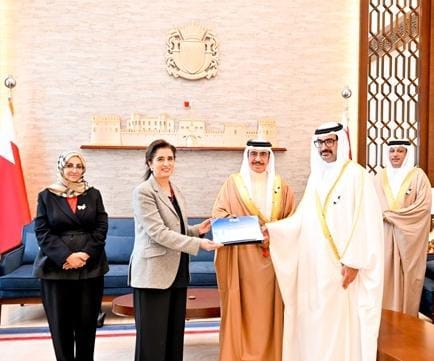

Bahrain has achieved a remarkable milestone in public health and urban development, solidifying its commitment to the well-being of its citizens. The World Health Organization (WHO) has officially accredited the Southern Governorate as a “Healthy Governorate,” marking the completion of a national initiative to bring all four of Bahrain’s governorates under the prestigious WHO Healthy Cities program. This achievement underscores the Kingdom’s dedication to creating sustainable, health-focused communities and reflects the forward-thinking vision of His Majesty King Hamad bin Isa Al Khalifa.
Bahrain’s Journey to Becoming a Healthy Nation
The accreditation ceremony, attended by General Shaikh Rashid bin Abdullah Al Khalifa, Minister of Interior, His Highness Shaikh Khalifa bin Ali Al Khalifa, Southern Governor, and Dr. Jaleela bint Al Sayed Jawad Hassan, Minister of Health, celebrated not just a regional success, but a national triumph. This accomplishment is the culmination of years of dedicated effort and strategic planning, all geared towards improving the quality of life for every resident of Bahrain.
The WHO Healthy Cities initiative isn’t simply about building hospitals; it’s a holistic approach to urban planning that prioritizes preventative healthcare, environmental sustainability, and social equity. It’s a framework that encourages collaboration between various sectors – health, education, environment, and social services – to address the complex determinants of health. Bahrain’s success in achieving this accreditation across all its governorates demonstrates a strong, unified national commitment.
What Does “Healthy Governorate” Accreditation Mean?
Achieving “Healthy Governorate” status isn’t a simple endorsement. It requires meeting a rigorous set of 80 criteria established by the WHO. These criteria span a broad spectrum, encompassing everything from access to quality healthcare and clean water to safe public spaces and robust social support systems.
Key Areas of Assessment
The evaluation process focuses on several key areas:
- Health Services: Availability, accessibility, and quality of healthcare facilities and programs.
- Environmental Safety: Air and water quality, waste management, and the presence of green spaces.
- Social Well-being: Community engagement, social equity, safety, and opportunities for education and recreation.
- Infrastructure: Safe and accessible transportation, housing, and public buildings.
The Southern Governorate’s successful navigation of these criteria is a testament to the effective implementation of health-promoting policies and the dedication of local authorities and community members. This rigorous process ensures that the accreditation represents a genuine and lasting improvement in the health and well-being of the population.
The Vision Behind the Success: Leadership and Sustainability
The achievement of this national health goal is directly attributed to the visionary leadership of His Majesty King Hamad bin Isa Al Khalifa. His Majesty’s focus on comprehensive sustainable development and elevating the quality of life for all citizens has provided the guiding principles for this initiative.
The Minister of Interior emphasized that the success is a direct outcome of the King’s directives. Furthermore, the continuous support and follow-up from His Royal Highness Prince Salman bin Hamad Al Khalifa, the Crown Prince and Prime Minister, have been instrumental in driving the program forward. This top-down commitment, coupled with effective local implementation, has been a winning formula for Bahrain.
Dr. Jaleela bint Al Sayed Jawad Hassan, the Minister of Health, highlighted the accreditation as a “prominent national achievement” and a clear reflection of the Royal vision. She underscored that this isn’t merely a symbolic recognition, but a validation of the Kingdom’s proactive approach to public health.
Implications for Bahrain and Beyond
The accreditation of all four governorates as “Healthy Cities” positions Bahrain as a regional leader in public health and urban development. It demonstrates a commitment to creating environments that support healthy lifestyles and prevent disease. This success can serve as a model for other countries in the region looking to improve the well-being of their populations.
This initiative also has positive economic implications. Healthy populations are more productive, contributing to economic growth and stability. Furthermore, the focus on sustainable development can attract investment and create new opportunities. The public health infrastructure improvements will also benefit tourism and overall national image.
Looking Ahead: Maintaining Momentum and Continuous Improvement
While achieving “Healthy Governorate” status is a significant accomplishment, it’s not the end of the journey. Maintaining this status requires continuous monitoring, evaluation, and improvement. Bahrain must remain committed to investing in public health, promoting healthy lifestyles, and addressing the evolving needs of its communities.
The WHO Healthy Cities program is a dynamic framework that encourages ongoing innovation and adaptation. By embracing this spirit of continuous improvement, Bahrain can ensure that its governorates remain healthy, vibrant, and sustainable for generations to come. The Kingdom’s dedication to this program signals a long-term commitment to the health and prosperity of its people, solidifying its position as a progressive and forward-thinking nation.