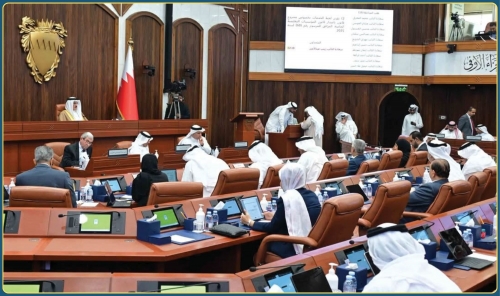

The Bahraini Parliament has taken a significant step towards modernizing the country’s private education sector by approving a new law. This legislation aims to replace the existing law that has been in place since 1998, bringing much-needed updates to the sector. The new law is expected to enhance the quality of education, strengthen governance, and ensure alignment with national educational policies.
## Enhancing Quality and Governance
The new legislation covers all private educational institutions, including nurseries, kindergartens, schools, training centers, foreign institutions, and community schools. Its primary objectives are to improve oversight and administration, encourage responsible investment in private education, and advance curriculum development to raise educational outcomes. By doing so, the law seeks to address several key gaps in the current framework, including the regulation of school ownership succession, monitoring tuition fees, and ensuring curricula respect national and religious values.
## Regulatory Powers and Investor Incentives
The Ministry of Education has emphasized that the new law grants expanded regulatory powers, enabling supervision over all private educational institutions, early learning centers, and training facilities. This will allow the ministry to impose fines and corrective measures on violators, ensuring a safe and comprehensive learning environment. Additionally, the law offers incentives for investors, including extended licensing periods, while prioritizing the employment of Bahraini nationals. At the same time, it maintains opportunities for foreign investment in the education sector, striking a balance between promoting local employment and attracting international expertise.
## A Significant Legislative Milestone
MP Jalal Kazem Al Mahfouz described the law as a significant legislative milestone in advancing Bahrain’s education sector. He noted that it comes 27 years after the previous law and aims to meet current needs while enhancing the quality of both public and private education. Al Mahfouz highlighted the improvements in education quality and administrative structures over recent years, which have earned widespread approval from parents and the public. He stressed that investing in education is investing in human capital, citing global examples such as Singapore, which achieved remarkable development through education despite limited resources.
## Improving Educational Outcomes
The new law is expected to have a positive impact on educational outcomes in Bahrain. By improving oversight and administration, the law will help to ensure that private educational institutions provide high-quality education that meets national standards. Moreover, the law’s focus on curriculum development will help to ensure that students are equipped with the skills and knowledge needed to succeed in an increasingly competitive global economy. As Bahrain continues to invest in its education sector, it is likely to reap significant benefits in terms of economic growth and development.
The approval of the new law is a testament to the country’s commitment to improving its education sector. By modernizing the regulatory framework governing private education, Bahrain is taking a significant step towards enhancing the quality of education and promoting economic growth. As the country continues to invest in its human capital, it is well-positioned to achieve its development goals and become a leader in the region. The new law is a significant step in the right direction, and its implementation is expected to have a positive impact on the country’s education sector. With its focus on quality, governance, and investor incentives, the law is likely to promote a safe and comprehensive learning environment, ultimately benefiting students, parents, and the broader community.
In conclusion, the Bahraini Parliament’s approval of the new law marks a significant milestone in the country’s efforts to modernize its private education sector. The law’s focus on enhancing quality, strengthening governance, and promoting responsible investment is expected to have a positive impact on educational outcomes and economic growth. As Bahrain continues to invest in its education sector, it is likely to reap significant benefits and become a leader in the region. The implementation of the new law will be crucial in achieving these goals, and it is expected to promote a safe and comprehensive learning environment that benefits all stakeholders.