


Bahrain is rapidly transforming its energy landscape, moving decisively towards a future powered by sustainability and innovation. For decades, the Kingdom relied on traditional energy sources, but now, a clear and ambitious roadmap is in place to integrate renewable energy into every facet of its power system. This shift isn’t just about environmental responsibility; it’s a strategic move to ensure long-term economic resilience and energy security for Bahrain. From significant infrastructure upgrades to nationwide efficiency programs, Bahrain is demonstrating a commitment to a cleaner, more reliable energy future.
A Century of Power: Bahrain’s Energy Evolution
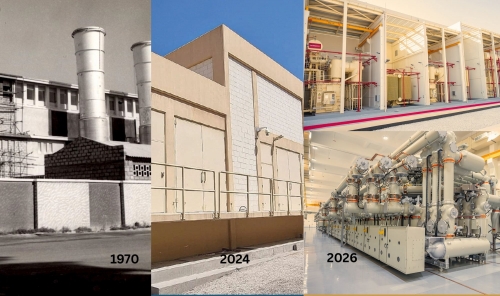
Bahrain’s journey with electricity began in 1930, a pioneering moment when Manama became the first capital city in the Gulf region to be electrified. This initial step sparked a continuous process of modernization, evolving from the early Ras Ruman power station to the sophisticated energy infrastructure of today. This evolution has been driven by the increasing demands of a growing population, expanding industries, and the overall national development goals.
The recent inauguration of the 400 kV Al Jasra electricity transmission station stands as a testament to this ongoing commitment. This isn’t simply a larger power station; it’s a strategically vital piece of infrastructure. Al Jasra significantly strengthens the national grid, boosts operational capacity, and crucially, enhances connectivity with the broader Gulf Cooperation Council (GCC) electricity network. This regional integration allows for more efficient energy exchange, bolstering stability and reducing reliance on single sources.
Expanding Renewable Energy Sources
At the heart of Bahrain’s energy transformation lies a strong focus on renewable energy. The Kingdom has set an ambitious target of achieving 20% of its electricity generation from renewable sources by 2035. This goal is firmly aligned with the broader Bahrain Economic Vision 2030 and the national pledge to reach net-zero emissions by 2060.
Bahrain isn’t limiting itself to a single renewable technology. Instead, a diversified approach is being implemented, encompassing:
Diverse Renewable Projects
- Large-Scale Solar Farms: These projects are designed to contribute significantly to the 20% target, harnessing the abundant sunshine of the region.
- Rooftop Solar Installations: Incentives and programs are encouraging both public and private buildings to adopt rooftop solar panels, decentralizing energy generation.
- Innovative Floating Solar Projects: Recognizing land constraints, Bahrain is exploring and implementing floating solar farms, maximizing energy output while minimizing land use.
This multi-pronged strategy demonstrates a pragmatic and forward-thinking approach to integrating sustainable energy solutions.
Modernizing the Grid for Reliability and Efficiency
Simply generating renewable energy isn’t enough. To truly unlock its potential, Bahrain is heavily investing in modernizing its electricity grid. This involves a comprehensive upgrade incorporating smart grid technology, high-voltage transmission lines, and advanced monitoring systems.
These enhancements are critical for several reasons. Firstly, they enable the grid to effectively manage the intermittent nature of renewable sources like solar and wind. Secondly, they reduce energy losses during transmission and distribution, improving overall efficiency. Finally, they ensure grid stability and reliability, even as electricity demand continues to rise. Projects like Al Jasra are prime examples of how infrastructure modernization is laying the foundation for a sustainable energy future. The ability to seamlessly integrate and distribute power is paramount.
Efficiency and Sustainability: A Holistic Approach
Bahrain understands that reducing energy consumption is just as important as increasing renewable generation. Consequently, a range of national programs are actively promoting energy efficiency across all sectors. These initiatives target households, businesses, and public institutions, encouraging the adoption of energy-saving practices and technologies.
These programs focus on:
- Promoting energy-efficient appliances: Incentives and awareness campaigns encourage the use of less energy-intensive equipment.
- Improving building insulation: Reducing energy loss through better building design and materials.
- Optimizing industrial processes: Identifying and implementing energy-saving measures in industrial settings.
By combining these efficiency initiatives with the expansion of renewable energy and a modernized grid, Bahrain is creating a balanced and sustainable energy ecosystem. This holistic approach ensures that energy resources are used responsibly and effectively.
Looking Ahead: Bahrain’s Energy Leadership
Bahrain’s energy roadmap is a comprehensive and ambitious plan designed to meet both present and future energy needs. The Kingdom’s commitment to infrastructure upgrades, renewable energy expansion, efficiency programs, and regional cooperation positions it as a leader in sustainable energy development within the Gulf region.
This isn’t just about environmental benefits; it’s about economic diversification, job creation, and enhancing the quality of life for all citizens. By embracing innovation and investing in a sustainable future, Bahrain is ensuring its long-term prosperity and resilience. From its humble beginnings with the first power stations to the groundbreaking Al Jasra project, Bahrain is truly lighting the way toward a cleaner, smarter, and greener energy future – a future that will power the Kingdom for generations to come.
To learn more about Bahrain’s sustainability initiatives, explore resources from the Ministry of Electricity and Water Affairs and the Supreme Council for Environment. Consider how these advancements might impact investment opportunities and contribute to a more sustainable global energy landscape.