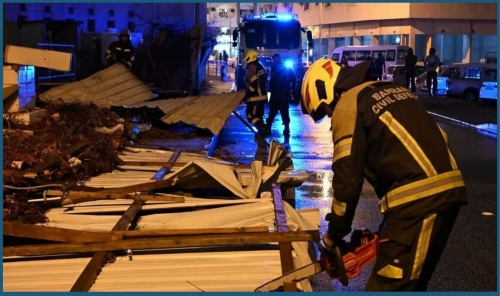

Recent heavy rainfall has prompted a swift and comprehensive response from the Ministry of Interior, with departments working diligently to protect citizens and property. This proactive approach to rain emergency response is crucial, and authorities are emphasizing preparedness as a key component of safeguarding the community. The focus remains on mitigating risks associated with water accumulation and ensuring public safety during challenging weather conditions.
Intensified Operations Following Heavy Rainfall
The Ministry of Interior has significantly increased its operational tempo in response to the widespread effects of the recent downpour. Reports of flooding and waterlogged areas have been coming in from across affected regions, and teams have been deployed strategically to address the most pressing concerns. This isn’t simply a reactive measure; it’s a calculated effort to preemptively deal with potential hazards before they escalate.
These operations are multifaceted, involving a range of departments including civil defense, traffic management, and local municipal teams. Coordination is paramount, ensuring a unified and effective approach to managing the situation. The speed and efficiency demonstrated underscore the Ministry’s commitment to its citizens.
Immediate Actions Taken by Authorities
Initially, the focus has been on clearing drainage systems to allow for faster water runoff. This included removing debris, unclogging storm drains, and ensuring pumps are functioning optimally. Simultaneously, traffic police have been deployed to manage road closures and redirect traffic away from flooded areas, preventing potential accidents and ensuring the smooth flow of emergency vehicles.
Furthermore, emergency shelters have been activated in some regions to provide safe haven for individuals and families displaced by the flooding. Personnel are working to provide essential supplies and support to those in need. The authorities are also closely monitoring river levels and vulnerable areas likely to experience further flooding.
Prioritizing Public Safety During Adverse Weather
The Ministry of Interior’s overarching priority is, understandably, the safety and well-being of the public. They have repeatedly stressed the importance of adhering to safety guidelines during periods of heavy rain. This includes avoiding unnecessary travel, particularly in areas known to be prone to flooding, and staying informed about weather updates through official channels.
Emergency preparedness involves more than just official responses, though. The Ministry has encouraged residents to secure loose objects around their homes, clear gutters, and be aware of potential power outages. Staying vigilant and taking proactive steps can significantly reduce the risk of damage or injury.
The Role of Community Collaboration
Authorities recognize that a successful flood control strategy requires active participation from the community. They’ve launched public awareness campaigns outlining safety procedures and how to report incidents of flooding or damage. Residents are encouraged to report any blocked drains or potentially dangerous situations to the relevant authorities immediately.
These collaborative efforts are vital. Constant communication between the public and the Ministry allows for a more dynamic and responsive approach to managing the situation effectively.
Long-Term Mitigation and Infrastructure Improvements
While immediate rain emergency response is crucial, the Ministry also understands the need for long-term solutions to mitigate the impact of heavy rainfall. Ongoing assessments are being conducted to identify areas requiring infrastructure improvements to enhance drainage capacity and prevent future flooding.
This includes potential upgrades to existing drainage systems, the construction of new retention basins, and the implementation of more robust flood warning systems. Investments in these areas are seen as essential to building a more resilient community capable of withstanding the challenges posed by extreme weather events. Additionally, experts are studying land use patterns to identify areas where development may contribute to increased flood risk.
Staying Informed and Prepared – Key Takeaways
The recent heavy rainfall serves as a powerful reminder of the importance of being prepared for natural disasters. The Ministry of Interior’s proactive and comprehensive response demonstrates a clear commitment to safeguarding the public. However, individual responsibility is also paramount.
Staying informed about weather forecasts, heeding safety advisories, and reporting any concerns to the authorities are all vital steps in minimizing risk. By working together—authorities and citizens alike—we can create a safer and more resilient environment for everyone.
For the latest updates and safety information, residents are encouraged to visit the Ministry of Interior’s official website and follow their social media channels. Remember, prioritizing safety during and after severe weather events is the best way to protect ourselves, our families, and our communities.