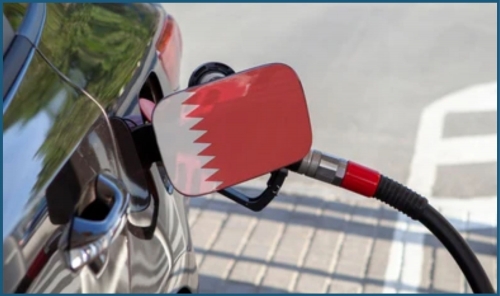

The Bahraini government is poised to implement significant changes to its energy pricing structure, impacting both industrial consumers of Bahrain fuel prices and everyday vehicle owners. These adjustments, announced recently, aim to balance economic sustainability with the need to conserve national resources and encourage energy efficiency. The updates involve a phased increase in natural gas costs for businesses and a new, more dynamic mechanism for determining gasoline and diesel prices for the public.
Adjustments to Natural Gas Prices for Industry
For years, Bahraini companies and factories have benefited from relatively subsidized natural gas rates. However, the government has determined that these prices no longer accurately reflect the true cost of supply, especially when compared to the international market. A comprehensive review of policies dating back to 2015, coupled with an analysis of current global market conditions, has led to the decision to rectify this imbalance.
Phased Implementation & Impact on Energy Efficiency
The adjustment to natural gas prices will begin in January 2026, with a structured, incremental increase. Specifically, the price for industrial use will rise by $0.50 per year for a period of four years. This phased approach is intended to give businesses ample time to adapt and mitigate the impact of the higher costs.
The primary driver behind this change isn’t simply revenue generation, but rather a strategic push for increased energy efficiency. The Bahraini government hopes that these adjustments will incentivize factories and industrial facilities to invest in modern technologies, optimized processes, and, importantly, renewable energy sources. Reducing reliance on natural gas will also help conserve Bahrain’s limited reserves, safeguarding them for future generations.
Bridging the Gap with Global Markets
Maintaining a significant disparity between local and global gas prices can lead to inefficient resource allocation and discourage investment in more sustainable energy solutions. By gradually aligning Bahrain fuel prices with international rates, the government seeks to create a more level playing field and attract investments in the energy sector that prioritize long-term viability. This also reduces potential exploitation of the subsidized rates.
New Fuel Pricing Mechanism for Vehicles
Alongside the changes for industry, the government is introducing a novel system for setting fuel prices for vehicles. Currently, fuel prices are subject to government control with less frequent updates. The new mechanism will introduce a monthly review process, designed to better reflect global fluctuations in oil prices.
The Role of the Pricing Committee
A dedicated committee comprised of representatives from various government entities and energy companies will be responsible for monitoring international oil markets and determining local petrol prices. This committee will assess factors such as crude oil benchmarks, exchange rates, and regional price trends to arrive at a fair and economically sound price point for each fuel type.
The move towards monthly adjustments signifies a greater commitment to transparency and responsiveness in the energy sector. It acknowledges the inherent volatility of global oil markets and seeks to minimize the time lag between international price shifts and their impact on Bahraini consumers.
Fuels Covered & Continued Support for Fishermen
The new pricing mechanism will encompass all major fuel types sold in Bahrain, including:
- Super (98 octane)
- Premium (95 octane)
- Regular (91 octane)
- Diesel
Importantly, the government has announced that it will continue to provide support for diesel used by Bahraini fishermen. Recognizing the vital role this sector plays in the nation’s economy and food security, the government will maintain a degree of price stabilization for this specific group. This demonstrates a commitment to protecting vulnerable industries during this transition.
The committee held its inaugural meeting recently and is expected to announce the updated Bahrain fuel prices in the coming days, starting the era of monthly price adjustments.
Why These Changes Matter & What to Expect
These adjustments to Bahrain fuel prices represent a significant shift in the country’s energy policy. They aren’t merely about increasing revenue, but about fostering a more sustainable, efficient, and economically resilient energy future. While the price increases may present challenges for businesses and consumers in the short term, the long-term benefits of conserving resources, encouraging investment in renewable energy, and ensuring financial stability are considerable.
The government expects these changes to promote responsible energy consumption habits across all sectors. For industrial customers, the phased increases provide a window of opportunity to upgrade facilities and adopt best practices in energy management. For vehicle owners, the monthly adjustment mechanism necessitates a greater awareness of global market dynamics and potential price fluctuations.
Looking ahead, continued monitoring and evaluation of these policies will be crucial to ensure their effectiveness and minimize any unintended consequences. Open communication between the government, businesses, and the public will be essential to navigate this transition successfully. We can expect further announcements pertaining to specific support programs and initiatives designed to ease the burden of the increased costs, particularly for small and medium-sized enterprises.