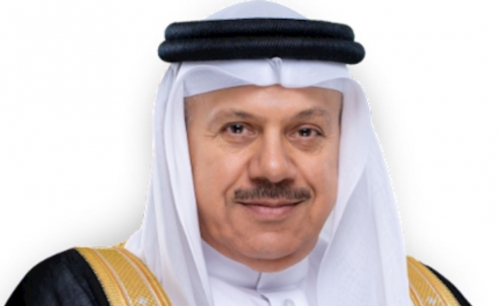

Bahrain is actively strengthening its diplomatic ties with the European Union, underscored by recent high-level discussions focused on bolstering regional security and cooperation. Minister of Foreign Affairs, Abdullatif bin Rashid Al Zayani, engaged in separate phone calls with EU High Representative and European Commission Vice-President, Kaja Kallas, and the Foreign Minister of the Republic of Cyprus, Constantinos Kombos, whose country currently holds the Presidency of the Council of the European Union. These conversations highlight Bahrain’s commitment to collaborative international relations, particularly as it leads the Gulf Cooperation Council (GCC).
Bahrain-EU Relations: A Focus on Collaboration
The primary focus of these diplomatic exchanges was the deepening of Bahrain-EU relations. Minister Al Zayani and the European officials explored avenues for increased cooperation across various sectors, including economic partnerships, security initiatives, and cultural exchange. This proactive approach signals Bahrain’s desire to move beyond existing frameworks and forge a more robust and mutually beneficial relationship with the EU.
The discussions weren’t solely bilateral. A significant portion was dedicated to enhancing cooperation between the European Union and the broader Gulf Cooperation Council. Bahrain, currently holding the GCC presidency, is strategically positioned to facilitate this dialogue and drive forward collaborative projects. This role is particularly important given the complex geopolitical landscape of the region.
The Importance of the GCC Presidency
Bahrain’s assumption of the GCC presidency provides a unique platform to advocate for shared interests and promote regional stability. The country is leveraging this position to foster a more unified approach to challenges facing the Gulf region, and to present a cohesive front when engaging with international partners like the EU. This includes discussions on trade, investment, and joint efforts to counter regional threats.
Addressing Regional and International Challenges
Beyond bilateral and GCC-EU cooperation, the phone calls addressed pressing regional and international developments. All parties emphasized the critical need for de-escalation of tensions and a renewed commitment to dialogue and diplomatic solutions. The conversations reflected a shared concern over ongoing conflicts and instability, and a desire to prevent further deterioration of the security situation.
The officials also voiced support for initiatives aimed at enhancing regional and global security and stability. This encompasses a wide range of efforts, from counter-terrorism measures to promoting peaceful conflict resolution and addressing the root causes of instability. Bahrain’s commitment to a multi-faceted approach to security aligns with the EU’s own strategic priorities. Diplomatic efforts are seen as crucial in navigating these complex issues.
Promoting Dialogue and Stability
A key takeaway from the discussions was the consensus on the importance of preventative diplomacy. Rather than reacting to crises, the focus is on proactively engaging with all stakeholders to address underlying grievances and prevent conflicts from escalating. This approach requires patience, persistence, and a willingness to compromise, qualities that Bahrain has consistently demonstrated in its foreign policy.
Economic Cooperation and Future Prospects
While security concerns dominated the agenda, the potential for increased economic cooperation between Bahrain, the GCC, and the EU was also discussed. Bahrain is actively seeking to diversify its economy and attract foreign investment, and the EU represents a significant market and source of capital. Exploring opportunities for joint ventures, technology transfer, and trade liberalization are key priorities.
Furthermore, the conversations touched upon the importance of sustainable development and addressing climate change. The EU is a global leader in these areas, and Bahrain is keen to learn from its experience and collaborate on initiatives that promote environmental sustainability and a green economy. This aligns with Bahrain’s Vision 2030, which prioritizes sustainable development and environmental protection. The strengthening of international partnerships is vital for achieving these goals.
Conclusion
The recent phone calls between Bahrain’s Minister of Foreign Affairs and key EU representatives underscore the Kingdom’s dedication to strengthening its relationship with Europe and fostering greater regional stability. The focus on Bahrain-EU relations, coupled with Bahrain’s leadership within the GCC, positions the country as a vital bridge between the two regions. By prioritizing dialogue, diplomatic solutions, and collaborative initiatives, Bahrain is actively contributing to a more secure and prosperous future for both the Gulf region and the wider international community.
We encourage readers to follow News of Bahrain for further updates on this developing story and Bahrain’s ongoing diplomatic efforts. You can also explore related articles on GCC-EU cooperation and Bahrain’s Vision 2030 on our website to gain a deeper understanding of the Kingdom’s strategic priorities.