
The recent Gulf Summit in Bahrain witnessed a significant moment of diplomatic and cultural exchange with the visit of Italian Prime Minister Giorgia Meloni. Her presence underscored Italy’s strengthening ties with the Gulf Cooperation Council (GCC) and Bahrain’s commitment to religious tolerance. This visit, particularly her stop at Awali Church, has been widely discussed as a symbol of Bahrain’s inclusive society and a key element in fostering international relations. The focus of the summit, and Meloni’s visit, centered on economic cooperation, regional stability, and the future of the Middle East.
Giorgia Meloni’s Visit to Bahrain: A Historic Moment
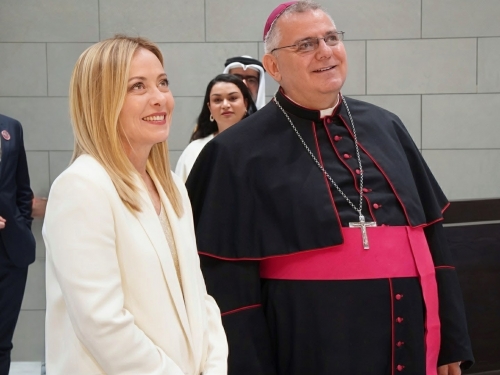
Prime Minister Meloni’s visit to Bahrain, as part of the broader Gulf Summit, was marked by several key engagements. The visit to Awali Church, a historic Catholic church in the Kingdom, was particularly poignant. It highlighted Bahrain’s long-standing tradition of religious coexistence, a value deeply appreciated by Italy and the international community. This gesture was not merely symbolic; it represented a tangible demonstration of Bahrain’s openness and respect for diverse faiths.
The Prime Minister herself noted the significance of visiting the cathedral, acknowledging the enduring Catholic presence within Bahrain. This visit resonated deeply, showcasing a commitment to interfaith dialogue and understanding.
Strengthening Italy-Gulf Economic Cooperation
During an open media briefing held in Manama, Prime Minister Meloni detailed the primary objectives of her visit. A central theme was the enhancement of Italy-Gulf cooperation across various economic sectors. Discussions revolved around identifying new avenues for investment, trade, and joint ventures.
Specifically, Meloni emphasized the crucial link between the Enlarged Mediterranean region and the Arabian Peninsula. She believes that fostering stronger connections between these regions is vital for promoting economic growth and stability. This includes exploring opportunities in renewable energy, infrastructure development, and technological innovation.
Focus on Regional Stability and the Middle East
Beyond economic ties, the summit provided a platform to address pressing regional challenges. Prime Minister Meloni reaffirmed Italy’s unwavering support for a two-state solution to the Israeli-Palestinian conflict. She described the current peace initiatives for Gaza as a critical opportunity to de-escalate tensions and pave the way for a lasting peace.
Furthermore, she stressed the importance of a more structured and consistent dialogue between Gulf countries and the European Union. Italy, she stated, is prepared to facilitate this dialogue by hosting new platforms for cooperation and future summits in Rome. This proactive approach demonstrates Italy’s commitment to playing a constructive role in shaping the future of the Middle East.
New Bilateral Agreements and Expanding Partnerships
The Gulf Summit also served as an opportunity for Italy to solidify existing partnerships and forge new ones. Prime Minister Meloni highlighted the recently signed bilateral agreement with Bahrain in the naval defense sector. This agreement underscores the growing security cooperation between the two nations and reflects Bahrain’s commitment to strengthening its defense capabilities.
Additionally, the summit allowed Meloni to engage with leaders from across the GCC, including Oman and Kuwait – countries with whom she hadn’t previously had formal engagements during her premiership. These meetings were instrumental in building rapport and exploring potential areas of collaboration. This expansion of diplomatic outreach is a key component of Italy’s strategy to strengthen its presence and influence in the region. The focus on diplomatic relations is paramount.
The discussions also touched upon broader issues of regional security, including maritime safety and counter-terrorism efforts. Italy and the GCC share a common interest in maintaining stability and security in the region, and the summit provided a valuable forum for coordinating strategies and addressing shared challenges.
In conclusion, Giorgia Meloni’s visit to Bahrain during the Gulf Summit was a resounding success. It underscored Italy’s commitment to strengthening its economic and political ties with the GCC, promoting regional stability, and fostering interfaith dialogue. The visit to Awali Church served as a powerful symbol of Bahrain’s inclusive society and its dedication to religious harmony. As Italy continues to play a proactive role in the Middle East, the foundations laid during this summit will undoubtedly prove invaluable. Readers interested in learning more about Italy’s foreign policy can explore resources on the Italian Ministry of Foreign Affairs website.