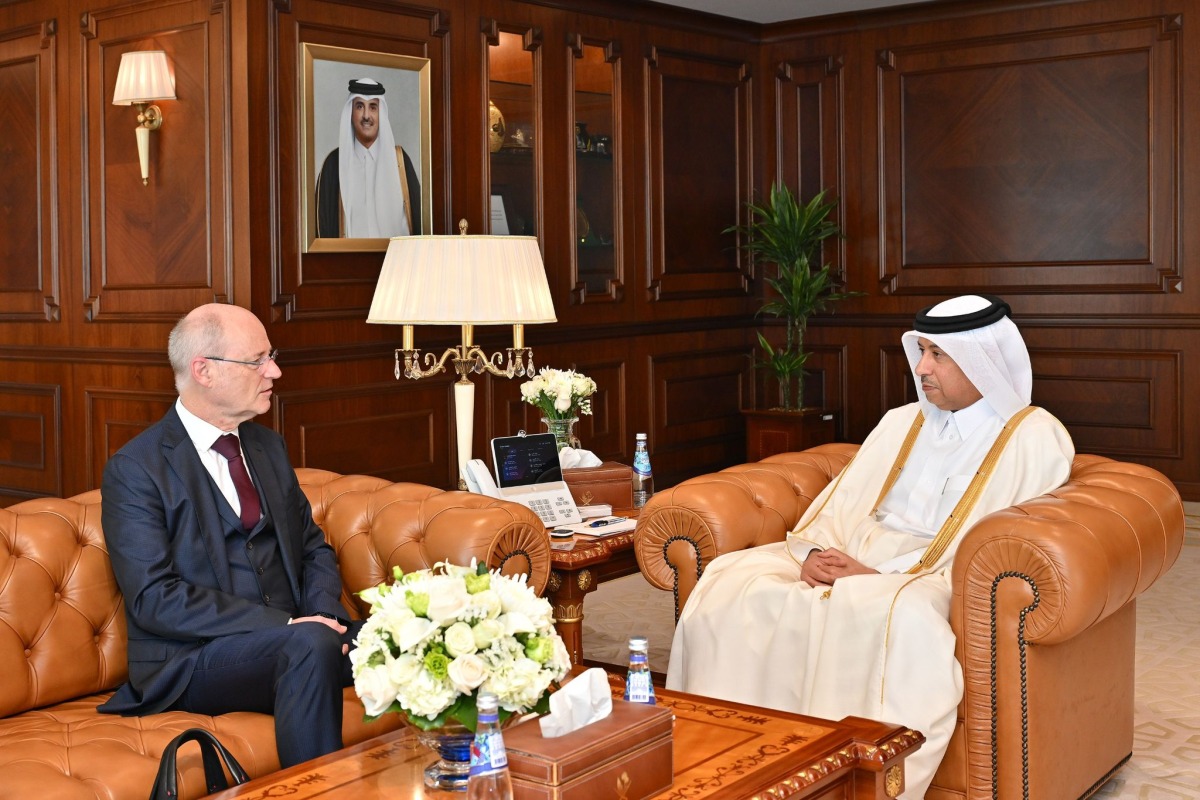

Qatar and Switzerland are bolstering their legal cooperation, focusing on areas like training and knowledge sharing. This development follows a meeting between Qatar’s Attorney-General, H.E. Dr. Issa bin Saad Al Jafali Al Nuaimi, and his Swiss counterpart, H.E. Stefan Blattler, in Doha yesterday. The discussions centered on strengthening ties within the legal framework and exploring the application of international legal collaboration to address evolving challenges.
The meeting, held on December 10th, involved a review of mutual interests and potential areas for enhanced partnership between the two nations’ public prosecution offices. Both Attorney-Generals also visited the Institute of Criminal Studies and the Public Prosecution’s exhibit at the World Summit AI-Qatar 2025, gaining insight into Qatar’s advancements in utilizing artificial intelligence within the legal system. This visit underscores Qatar’s commitment to technological innovation in law enforcement and judicial processes.
Strengthening International Legal Collaboration
The focus on enhanced international legal collaboration reflects a growing global trend toward cooperation in combating transnational crime. This includes areas such as money laundering, cybercrime, and terrorism financing, which often require coordinated investigations and legal proceedings across borders. Qatar, as a regional hub, has been actively pursuing such partnerships to ensure its legal system remains effective and aligned with international standards.
According to a statement released by the Qatari Public Prosecution, the discussions with the Swiss Attorney-General specifically addressed opportunities for joint training programs. These programs would aim to equip legal professionals with the latest skills and knowledge in areas like digital forensics and international criminal law. The exchange of expertise was also highlighted as a key component of the strengthened relationship.
AI in the Qatari Legal System
The tour of the Public Prosecution’s pavilion at the World Summit AI-Qatar 2025 provided a platform to showcase Qatar’s investment in artificial intelligence. The Public Prosecution is reportedly developing several AI-powered projects designed to streamline legal processes and improve efficiency. These projects could include tools for evidence analysis, risk assessment, and predictive policing.
However, the implementation of AI in legal systems also raises important ethical and legal considerations. Issues such as data privacy, algorithmic bias, and accountability need to be carefully addressed to ensure fairness and transparency. The Qatari government has indicated its awareness of these challenges and its commitment to responsible AI development.
Switzerland has a well-established reputation for its expertise in financial crime investigation and asset recovery. This expertise is particularly relevant to Qatar, which has been working to strengthen its anti-money laundering and counter-terrorism financing regimes. The potential for collaboration in these areas could be significant, according to analysts following regional legal developments.
The meeting also touched upon broader issues of mutual interest within the legal field, including judicial independence and the rule of law. Both countries reaffirmed their commitment to these principles, which are considered fundamental to a fair and effective justice system. This shared commitment provides a strong foundation for continued cooperation. The increasing focus on Swiss international cooperation in legal matters demonstrates a proactive approach to global challenges.
Looking ahead, the two Attorney-Generals agreed to continue discussions on specific areas of collaboration. A joint working group is expected to be formed within the next quarter to develop a detailed plan of action. The success of this partnership will likely depend on the ability of both countries to navigate the complexities of differing legal systems and prioritize shared objectives. Further details regarding the scope and timeline of the working group’s activities are anticipated in early 2024, and the impact on Qatar’s Ministry of Justice initiatives remains to be seen.
The development also aligns with Qatar’s broader strategy of diversifying its international partnerships, particularly in areas related to security and economic stability. This includes strengthening ties with European nations, such as Switzerland, which are known for their robust legal frameworks and commitment to upholding international law. The long-term implications of this collaboration for international law enforcement are still unfolding.