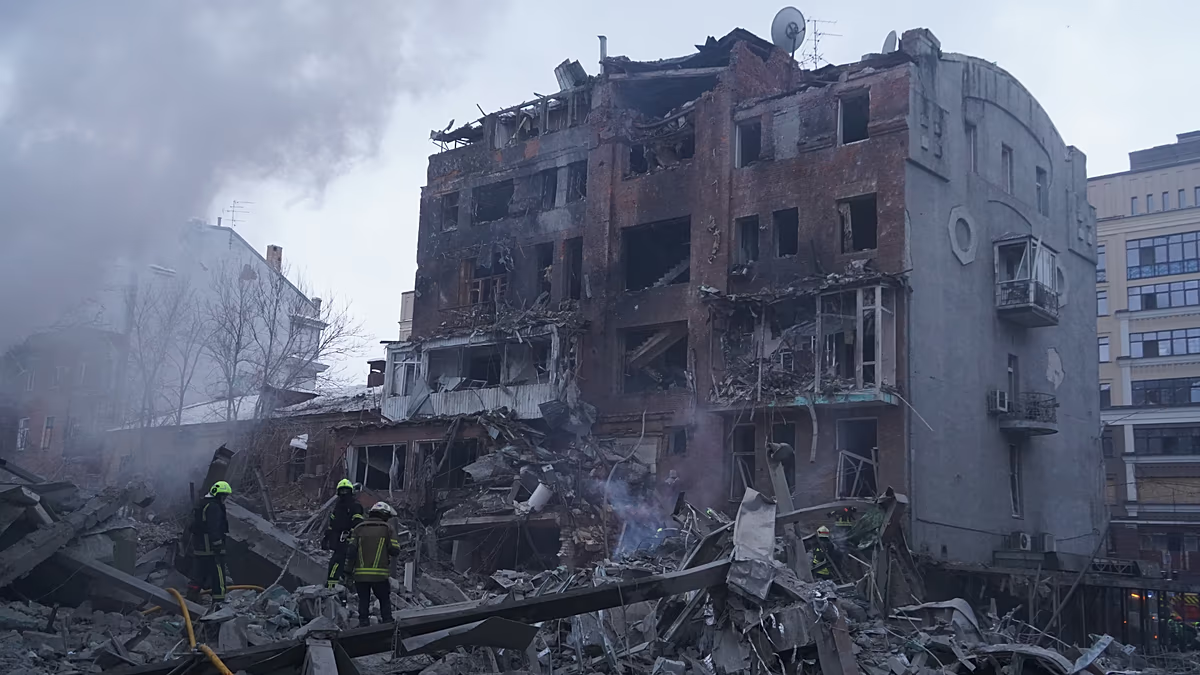

A devastating Kharkiv attack on Friday, January 3, 2026, resulted in the deaths of at least two people and left scores injured after a Russian strike leveled a five-story apartment building. The incident, which also damaged civilian infrastructure including a shopping center, underscores the ongoing dangers faced by Ukrainian civilians amidst the continued conflict. Authorities are continuing search and rescue efforts, fearing more individuals may be trapped in the rubble.
The strike occurred in the city of Kharkiv, Ukraine, and prompted immediate condemnation from Ukrainian President Volodymyr Zelenskyy. Initial reports indicate at least 19 people were injured, including a six-month-old infant, with 16 requiring hospitalization. The attack follows a separate, large-scale drone assault on Zaporizhzhia earlier the same day, highlighting a recent escalation in Russian military activity.
The Kharkiv Apartment Building Strike and Civilian Impact
The body of a three-year-old boy was recovered from the debris of the destroyed apartment building, according to Kharkiv governor Oleh Syniehubov. A woman’s body was also later found. Emergency services are working to clear the rubble and locate any remaining survivors. Syniehubov stated that the priority remains saving as many lives as possible.
The attack caused widespread damage beyond the apartment building itself. Local authorities reported the destruction of a shopping center and numerous vehicles. This latest Kharkiv attack adds to the growing toll of civilian casualties and infrastructure damage throughout Ukraine. The incident raises further concerns about the protection of non-combatants in areas experiencing active fighting.
Response and Condemnation
President Zelenskyy described the strike as “heinous” in a post on X, criticizing Russia’s continued targeting of civilians. He also referenced ongoing diplomatic efforts, particularly from the United States, to de-escalate the conflict. Zelenskyy’s statement emphasizes the Ukrainian government’s plea for increased international support.
However, Russia’s Defence Ministry denied responsibility for the Kharkiv bombing, instead claiming an explosion was caused by Ukrainian ammunition. This claim, disseminated via Telegram, contradicts reports from Ukrainian officials and eyewitness accounts. Such conflicting narratives are common throughout the conflict, making independent verification challenging.
Escalation of Attacks and Regional Context
Meanwhile, Zaporizhzhia experienced what local authorities described as “one of the most massive” drone attacks to date. At least nine drones struck the city, causing damage to dozens of residential buildings and other civilian infrastructure. Fortunately, no casualties were reported in Zaporizhzhia, according to Ivan Fedorov, head of the regional administration.
These attacks occur against a backdrop of intensified fighting along the front lines and a continued exchange of artillery and missile strikes. The recent increase in attacks on civilian areas suggests a potential shift in Russian military strategy or a deliberate attempt to demoralize the Ukrainian population. The ongoing war in Ukraine has created a humanitarian crisis, displacing millions and causing widespread destruction.
The situation in Ukraine remains highly volatile. International organizations, such as the United Nations, continue to call for a ceasefire and a peaceful resolution to the conflict. The focus now is on providing humanitarian aid to those affected by the recent attacks and assessing the full extent of the damage in Kharkiv and Zaporizhzhia.
As search and rescue operations continue in Kharkiv, the world watches for further developments. Continued monitoring of the security situation and support for humanitarian efforts will be crucial in the coming days and weeks. For more information on the conflict and ways to help, consider visiting the websites of reputable aid organizations working in Ukraine.