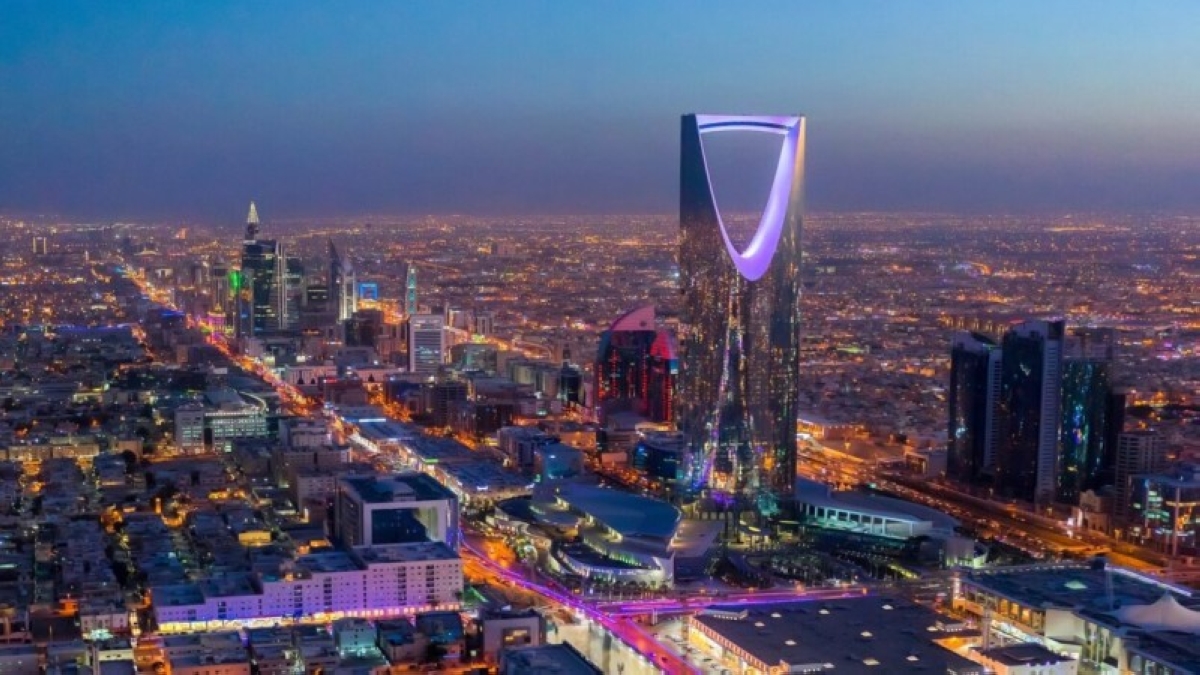

RIYADH — Investment in the Saudi financial market continues to surge, with assets held by both domestic and international public investment funds growing by 36.1 percent year-over-year. The total value of these assets reached SR217.9 billion (approximately $58 billion USD) by the end of the third quarter of 2025, according to the Saudi Press Agency. This substantial increase signals growing confidence in the Kingdom’s economic outlook and its evolving financial landscape.
The growth is driven by increases in both foreign and domestic investment. Foreign investment assets rose by 21.1 percent, totaling SR31.1 billion, while the number of public investment funds expanded to 346, a net increase of 36 funds since the same period in 2024. This expansion reflects Saudi Arabia’s ongoing efforts to diversify its economy and attract global capital.
Growth in Saudi Public Investment Funds
The significant rise in public investment funds is a key indicator of the Kingdom’s financial health. According to the report, the SR57.9 billion increase in total assets represents a substantial injection of capital into the Saudi economy. This growth is occurring alongside broader initiatives aimed at attracting foreign direct investment and developing the domestic capital market.
Foreign Investment Trends
The 21.1 percent year-on-year increase in foreign investment assets, reaching SR31.1 billion, demonstrates a growing appetite for Saudi Arabian financial products. This influx of capital is likely influenced by factors such as the Kingdom’s economic reforms under Vision 2030, increased market accessibility, and a relatively stable geopolitical environment. However, global economic conditions and fluctuations in oil prices could impact future inflows.
Domestic Fund Expansion
The addition of 36 new public investment funds, bringing the total to 346, highlights the increasing sophistication and diversification of the Saudi financial sector. This expansion suggests a growing number of both institutional and individual investors are participating in the market. The growth in domestic funds also indicates a strengthening of the local investment management industry.
The Saudi Capital Market Authority (CMA) has been actively working to modernize regulations and enhance transparency to encourage both domestic and foreign participation. These efforts include streamlining investment procedures and improving corporate governance standards. The CMA’s focus on regulatory improvements is intended to foster a more attractive and stable investment climate.
Additionally, the Saudi Tadawul Group, which operates the Saudi stock exchange, has implemented several initiatives to enhance market liquidity and broaden the range of investment opportunities. These include the introduction of new financial instruments and the expansion of trading hours. These changes aim to make the Saudi stock market more competitive on a global scale.
The growth in asset management is also being supported by increased government spending on infrastructure projects and economic diversification initiatives. These projects create investment opportunities across various sectors, attracting both domestic and foreign capital. The Kingdom’s focus on developing non-oil sectors, such as tourism and technology, is further contributing to the positive investment outlook.
In contrast to some global markets experiencing volatility, the Saudi financial market has demonstrated relative stability. This stability, coupled with attractive investment opportunities, is likely contributing to the continued inflow of capital. The Kingdom’s strong financial reserves and prudent fiscal management also play a role in maintaining market confidence.
The increase in investment portfolios is not limited to equities. The report indicates growth across various asset classes, including fixed income, real estate, and private equity. This diversification suggests a maturing investment landscape and a broader range of options for investors. The diversification also mitigates risk and enhances the overall resilience of the financial system.
The Saudi government’s commitment to economic reform and diversification is a key driver of this positive trend. Vision 2030 aims to transform the Kingdom into a global investment hub, and the growth in public investment funds is a tangible sign of progress towards this goal. The success of Vision 2030 is contingent on continued implementation of reforms and sustained economic growth.
Looking ahead, the Saudi financial market is expected to continue its growth trajectory, although the pace may be influenced by global economic conditions and geopolitical factors. The CMA is expected to announce further regulatory updates in the first quarter of 2026, potentially impacting market access and investment strategies. Monitoring the impact of these changes, as well as broader economic trends, will be crucial for assessing the long-term sustainability of this growth.