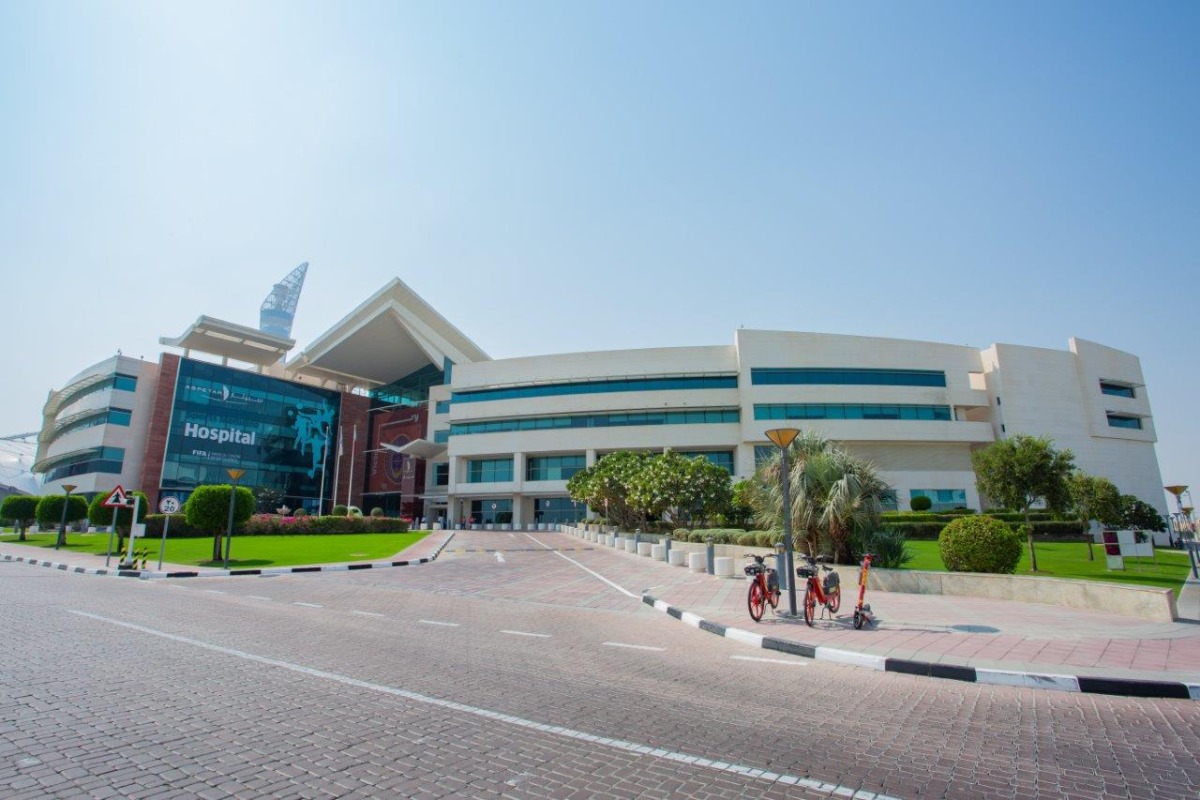

Doha, Qatar – Aspetar, the renowned Orthopaedic and Sports Medicine Hospital, solidified its position as a global leader in 2025 through continuous achievement in patient care, research, and international partnerships. The hospital distinguished itself by maintaining the highest standards of medical excellence and providing crucial support to athletes both locally and worldwide. This commitment culminated in several key recognitions, reinforcing Aspetar’s reputation as a premier destination for sports medicine.
Throughout the year, Aspetar served as the medical provider for over 100 sporting events, alongside attracting international athletes and patients seeking specialized care. Located in Doha, the hospital’s impact extended beyond Qatar, influencing best practices in injury prevention and rehabilitation across Asia and with organizations like FIFA and the IOC. These achievements demonstrate Aspetar’s role as a specialized healthcare provider and a valuable resource for the global sports community.
Aspetar Achieves Unprecedented Diamond Accreditation in Sports Medicine
A major highlight of 2025 was Aspetar’s successful re-accreditation by Accreditation Canada under the Qmentum International program. The hospital achieved the Diamond level – the highest possible – for the second consecutive cycle, receiving a perfect score. This makes Aspetar the first healthcare institution globally to attain this distinction twice in a row, according to Accreditation Canada.
The intensive accreditation process evaluates a healthcare facility’s commitment to quality improvement and patient safety. Aspetar’s consistent success reflects its dedication to maintaining rigorous standards in all areas of operation, from surgical procedures to patient recovery and preventative care. This accreditation is especially crucial for a hospital specializing in sports medicine, where precision and rapid recovery are paramount.
Recognition from Asian Football Confederation (AFC)
Aspetar’s influence within Asian football was formally acknowledged in July 2025 at the 8th AFC Medical Conference. Dr. Khalid Al-Khelaifi, an Orthopaedic Surgery Consultant at Aspetar, received a prestigious award recognizing his pioneering contributions to sports medicine and dedicated service to the sport throughout Asia.
This award followed recognition of Aspetar by the AFC for its longstanding strategic partnership and role as a primary reference in the region. The hospital has actively contributed to discussions on improving athlete health, injury prevention strategies, and optimizing performance enhancement, according to statements released by the AFC.
Leadership Honored
Meanwhile, Khalid Ali Al-Mawlawi, Acting Director General of Aspetar, was named among the most influential leaders in management and healthcare by Forbes Middle East. The publication recognized his leadership in elevating Aspetar’s global profile while maintaining its commitment to serving the Qatari sports community.
The recognition highlights the importance of strong leadership within specialized medical institutions, particularly those aligned with high-performance athletics. Al-Mawlawi’s focus on balancing medical innovation with strategic international partnerships has been pivotal to Aspetar’s growth.
Beyond accreditation and awards, Aspetar was actively involved in providing comprehensive medical coverage for a diverse range of sporting disciplines, including football, athletics, tennis, and motorsport. This proactive approach supports athlete well-being and contributes to the success of major sporting events hosted in Qatar and abroad. The hospital’s expertise in sports injury rehabilitation and performance medicine is consistently sought after by elite athletes worldwide.
Looking ahead, Aspetar is expected to continue focusing on research and development within the field of preventative sports medicine. The hospital’s IOC Research Centre status necessitates ongoing investigation into minimizing athlete injuries and optimizing performance. Future developments could include expanded partnerships with international sports federations and further investment in cutting-edge diagnostic and treatment technologies. The hospital’s sustained success will likely depend on its ability to adapt to evolving demands in athlete healthcare and maintain its exceptional standards in clinical practice.