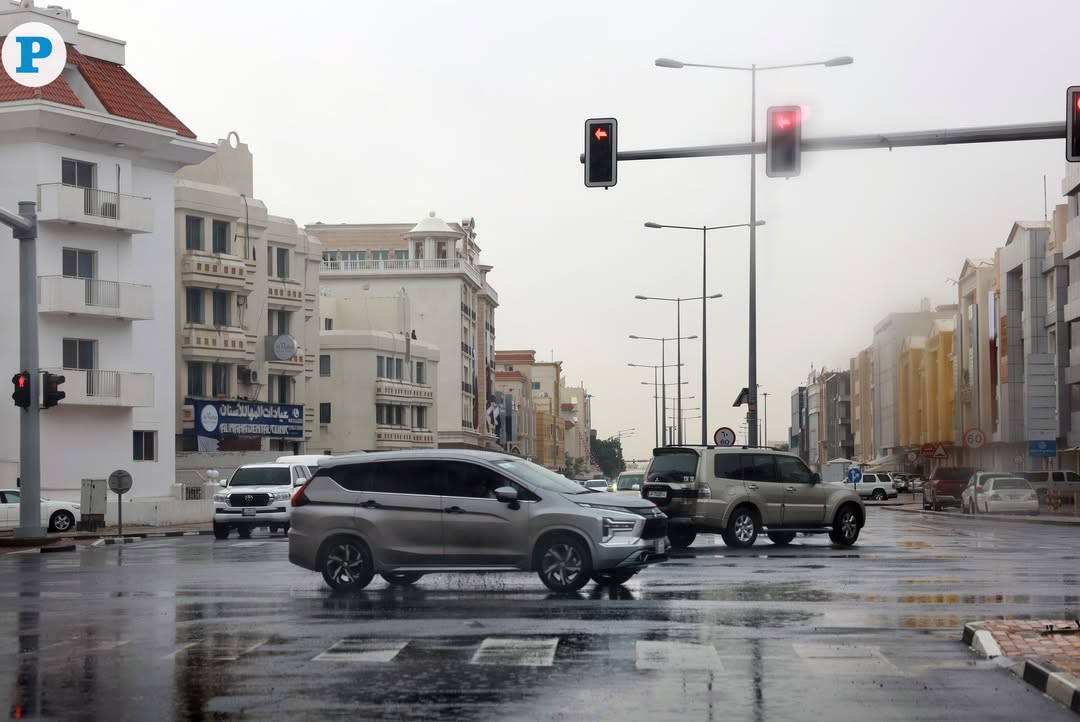

Doha, Qatar – The Public Works Authority (Ashghal) successfully managed significant rainfall in Qatar on December 18th, swiftly restoring normal traffic conditions on the majority of roads and tunnels. The heavy downpours, which reached over 90 millimeters in some areas, prompted a full-scale response from Ashghal teams working in conjunction with local municipalities and the General Directorate of Traffic. This proactive approach minimized disruptions following a period of intense weather.
The affected regions included Muither, the Industrial Area, Mebaireek, and Al Wakrah, where water accumulation was reported. Authorities confirmed a total of 414 reports related to standing water were received and addressed within a six-hour timeframe. No incidents were reported affecting Qatar’s extensive tunnel network, demonstrating the effectiveness of preventative measures.
Ashghal’s Preparedness for Qatar Rainfall Events
Ashghal’s rapid response to the recent rainfall underscores the increasing focus on infrastructure resilience in the country. Qatar has experienced more extreme weather events in recent years, attributed by some studies to broader climate change trends. This has led to increased investment in drainage systems and emergency response protocols.
According to Eng. Mohammed Al Kubaissi of Ashghal’s Sewerage Treatment Plants, the Authority initiated its advanced preparedness plans as soon as meteorological forecasts indicated the potential for heavy precipitation. These plans involved the strategic deployment of substantial resources, including over 371 water tanker trucks and more than 44 mobile pumps directed at rapid response teams.
Resource Allocation and Coordination
The efficient allocation of resources was critical to maintaining mobility. Dozens of technicians and workers were deployed to the areas most impacted by the rain. Coordination with municipalities and traffic authorities ensured a unified approach to managing potential road closures and diverting traffic.
Additionally, recognizing the importance of major events, specific teams were positioned near Lusail Stadium and Khalifa International Stadium, which had recently hosted matches in the FIFA Arab Cup Qatar 2025 tournament. Their presence was a precautionary measure to guarantee uninterrupted access for fans and officials.
Qatar’s rapidly expanding urban landscape presents unique challenges for drainage infrastructure. New developments strain existing systems, necessitating continuous upgrades and expansions to adequately handle increased runoff during periods of intense precipitation. The country’s commitment to hosting international events like the FIFA World Cup and the Asian Games has further accelerated these infrastructure improvements.
Following the event, Ashghal has reiterated its call for public vigilance during periods of rainfall. Drivers are advised to exercise caution and reduce speed to enhance safety. Citizens and residents can report any emergency situations or significant water accumulation to Ashghal’s Customer Service Center by dialing 88.
The sustained operation of Ashghal teams in the field underscores the Authority’s dedication to ensuring the safety and accessibility of Qatar’s roadways. While the immediate impact of the storm has been mitigated, the long-term effects on ground water levels and potential downstream impacts are currently being assessed. Future reports from the Ministry of Environment and Climate Change will likely provide further insights into the wider environmental consequences of the heavy rainfall and inform adjustments to Qatar’s storm water management strategies.
Looking ahead, monitoring of weather patterns and continued investment in infrastructure capacity remain essential. Authorities are expected to analyze the performance of existing drainage systems during this event to identify areas for improvement. Further assessments will also consider the need for enhanced early warning systems to provide more lead time for preparation and mitigation efforts related to heavy rains in Qatar. The prospect of intensifying precipitation events necessitates a proactive and adaptive approach to infrastructure planning and emergency response across the country. Ashghal’s website provides further information on their ongoing projects and emergency services.