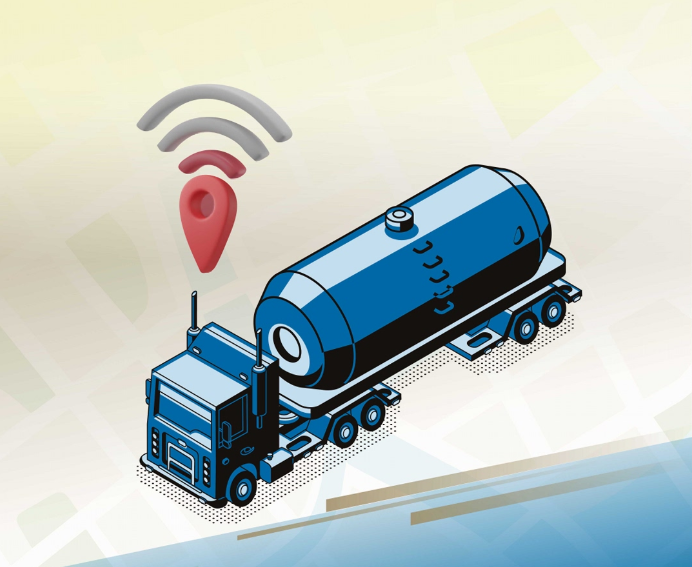

The Public Works Authority (Ashghal) of Qatar has announced a mandatory upgrade to 4G/5G-enabled tanker tracking devices for all operators working within its jurisdiction. This initiative, revealed this week, aims to enhance fleet management, improve operational efficiency, and bolster security measures related to tanker services. The transition will require all contractors and operators to replace existing 2G and 3G tracking technology with the newer standard by December 31, 2025.
The announcement, made by Ashghal, impacts a wide range of tanker operations supporting public works projects across Qatar. This includes vehicles transporting water, sewage, and other materials crucial to infrastructure development and maintenance. The updated systems promise real-time visibility and improved communication, benefiting both Ashghal and the service providers themselves.
Why the Shift to Advanced Tanker Tracking?
The primary driver behind this upgrade is the phasing out of 2G and 3G network infrastructure globally, including within Qatar. These older networks are becoming increasingly unreliable and less secure. GSMA Intelligence reports that mobile operators are actively re-farming spectrum previously used for 2G and 3G to support the growing demands of 4G and 5G technologies.
However, Ashghal is framing the upgrade as more than simply maintaining connectivity. The move to 4G/5G technology unlocks a significantly broader range of capabilities for tanker tracking. These include faster data transmission, more precise location reporting, and the potential for integration with other smart city initiatives.
Improved Operational Efficiency
With 24/7 visibility offered by the new systems, Ashghal can optimize tanker routes and scheduling. This leads to reduced fuel consumption, lower operational costs, and faster response times to urgent requests. Furthermore, the enhanced data collection capabilities allow for better resource allocation and predictive maintenance scheduling.
The transition also enhances transparency and accountability within the supply chain. Real-time monitoring can help verify delivery confirmations and identify potential delays or disruptions proactively, streamlining fleet management.
Enhanced Security Measures
The enhanced security features of 4G/5G networks are a critical benefit. According to industry experts, these newer cellular technologies offer stronger encryption and authentication protocols, reducing the risk of unauthorized access or data breaches related to tanker operations. This is particularly important for materials requiring strict handling procedures and secure transport.
Moreover, the potential for integrating additional security features, such as geofencing and real-time alerts for unauthorized deviations, is far greater with the new infrastructure. This holistic security approach is a key component of Ashghal’s commitment to safe and reliable public services.
What Do Operators Need to Do?
Ashghal is actively encouraging all contractors and tanker operators to begin the process of obtaining approved 4G/5G SIM cards and compatible tracking devices. These can be acquired through established customer service channels provided by the authority.
The deadline for phasing out 2G and 3G devices is firm: December 31, 2025. Operators continuing to use the older technology beyond this date may face service interruptions and potential non-compliance issues with Ashghal project requirements. Preparing for these changes will require investment and logistical planning from affected businesses.
The move is part of a wider trend towards embracing intelligent transportation systems (ITS) within Qatar’s infrastructure projects. Ashghal has been increasingly focused on incorporating technology to optimize performance and improve service delivery. The deployment of this advanced tanker tracking is consistent with this overall strategy.
Looking ahead, the success of this upgrade will depend on the smooth adoption of the new technology by all stakeholders. Ashghal will likely monitor the transition closely to address any implementation challenges and ensure minimal disruption to ongoing operations. Further developments may include integrating the tracking data with centralized traffic management systems and exploring advanced analytics to identify further opportunities for optimization within Qatar’s expanding infrastructure landscape.