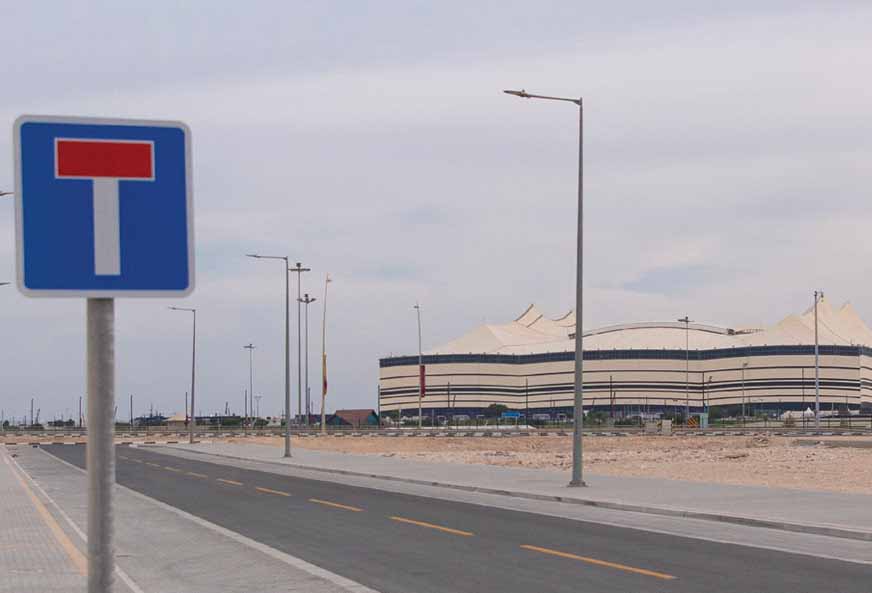

The Public Works Authority (Ashghal) of Qatar has completed the first phase of a major infrastructure development project in the Al-Egda, Al-Khor, and Al-Heedan areas. This initiative, announced recently, focuses on providing essential services to 738 newly designated residential land plots west of Al-Bayt Stadium. The completed work includes a comprehensive road network and critical utility infrastructure designed to support future population growth and improve the quality of life for new residents.
Located north of Al-Khor Coastal Road and Al-Egda Street, and west of Al-Heedan Street, the project aims to facilitate construction and habitation of the new residential areas. According to Ashghal officials, the development is part of a broader national strategy to modernize Qatar’s infrastructure and prepare for continued urbanization, particularly in areas surrounding key sporting venues like Al-Bayt Stadium. The project’s completion marks a significant step in enabling citizens to build homes and establish communities in these expanding regions.
Enhanced Infrastructure in Al-Egda, Al-Khor, and Al-Heedan
The completed package of the infrastructure development project encompasses 19 kilometers of internal roads, equipped with modern traffic safety features. These include street lighting, directional signage, and clear road markings, all intended to improve traffic flow and pedestrian safety within the newly developed areas. The road network is designed to connect the residential plots efficiently to major thoroughfares.
However, the project extends far beyond just roadways. A substantial investment was made in underground utilities to ensure reliable services for future residents. This includes the installation of 24 kilometers of sewage network pipelines, connecting the area to the broader municipal system.
Comprehensive Utility Networks
Alongside the sewage system, Ashghal constructed 33 kilometers of surface and groundwater drainage networks. This is a crucial component, particularly in a region prone to occasional heavy rainfall, to prevent flooding and manage stormwater runoff. A 7-kilometer treated water network and a 20-kilometer potable water network were also established, providing access to both recycled and fresh water resources.
To further mitigate the risk of waterlogging, a 44,000-cubic-meter emergency rainwater storage tank was built. This tank will collect and hold excess rainwater during peak periods, preventing it from overwhelming the drainage system and causing disruptions. The implementation of these water management systems demonstrates a proactive approach to urban planning and environmental sustainability.
Ashghal has also prioritized supporting the local economy throughout the project. Approximately 70% of the materials used in construction were sourced from Qatari manufacturers and suppliers. This included essential components like lighting poles, drainage pipes, precast manholes, electrical cables, directional signs, and interlocking pavers. This commitment aligns with Ashghal’s qualification initiative launched in 2017, aimed at fostering the growth of domestic industries and reducing reliance on imports.
The focus on local sourcing not only boosts the Qatari economy but also potentially streamlines the supply chain and ensures quality control. This approach to construction projects is becoming increasingly common as Qatar seeks to diversify its economic base and promote self-sufficiency. The use of local materials also contributes to the sustainability of the project by reducing transportation emissions.
Looking ahead, Ashghal will continue to monitor the performance of the newly installed infrastructure and address any emerging issues. Further phases of the road development and utility expansion are planned for the Al-Egda, Al-Khor, and Al-Heedan areas, though specific timelines have not been publicly announced. The success of this initial phase will likely inform the planning and execution of subsequent stages, with a continued emphasis on quality, sustainability, and local economic participation. The ongoing expansion of infrastructure in these areas will be a key indicator of Qatar’s continued investment in its future urban landscape.