


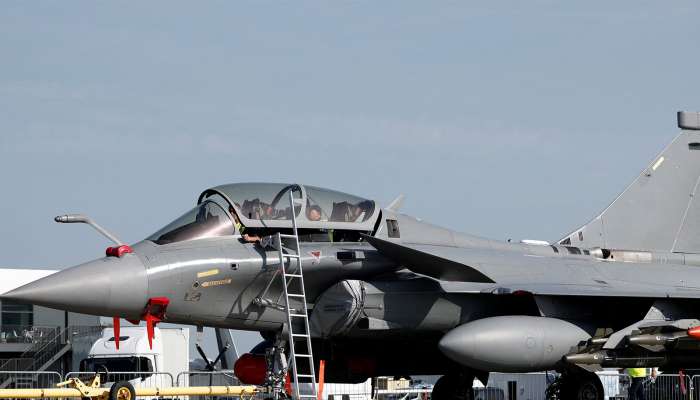

The Indian Air Force (IAF) is poised to significantly bolster its combat capabilities with a proposed deal to acquire 114 Rafale fighter jets from France. This potential agreement isn’t just about numbers; it represents a strategic shift towards indigenous manufacturing and long-term self-reliance in defense production. The deal, currently under negotiation, aims for approximately 80% of these advanced aircraft to be built within India, marking a substantial leap in the ‘Make in India’ initiative.
Boosting India’s Defense Capabilities with Rafale Fighter Jets
The need for these additional fighter jets is critical. The IAF currently faces a challenging situation with dwindling squadron numbers, exacerbated by delays in the indigenous Light Combat Aircraft (LCA) Mark 1A program. Issues surrounding engine development and the integration of foreign components have slowed progress, leaving a gap in aerial defense. Simultaneously, India navigates a complex security landscape, managing active borders with Pakistan and China, and increasingly monitoring Bangladesh as a potential security challenge.
This evolving geopolitical reality demands a larger and more capable air force. The traditionally accepted requirement of 42 fighter squadrons is now considered insufficient, pushing the IAF to actively seek solutions to rapidly enhance its strength. The Rafale fighter jets offer a compelling solution, particularly given their proven performance and high serviceability.
Why the Rafale Stands Out
Government sources, speaking to ANI, highlight the Rafale’s exceptional serviceability rate of around 90%. This figure significantly surpasses that of other contemporary fighter aircraft, including the American F-35. High serviceability translates directly into operational readiness, meaning more planes are available for deployment when needed.
Additionally, the French offer has factored in inflation, with an estimated price increase of around four percent annually. While cost remains a key negotiation point, the overall value proposition of the Rafale, considering its capabilities and potential for indigenous production, is proving attractive.
The ‘Make in India’ Push and Localized Manufacturing
A cornerstone of this proposed deal is the commitment to maximizing localized content. Beyond the 80% build-in-India target, discussions are underway to shift some manufacturing facilities from France to India. This transfer of technology and expertise will not only create jobs but also establish a robust domestic defense ecosystem.
Establishing MRO Capabilities
Crucially, the plan includes setting up a Maintenance, Repair, and Overhaul (MRO) facility within India. This facility will be vital for ensuring the long-term operational readiness of the Rafale fighter jets and reducing reliance on foreign support. A fully functional MRO will maximize the lifespan of the aircraft and minimize downtime, contributing significantly to the IAF’s overall effectiveness.
Potential for Export and Regional Hub
The implications of this deal extend beyond India’s immediate defense needs. With a substantial portion of the Rafale’s components and systems being manufactured in India, there’s a strong possibility of Dassault Aviation utilizing Indian entities for export orders.
This could position India as a regional hub for Rafale MRO services, catering to countries operating the aircraft and other Dassault platforms. This would not only generate revenue but also solidify India’s position as a key player in the global aerospace industry. The potential for becoming an export base represents a significant economic benefit alongside the security advantages.
Navigating the Challenges and Future Outlook
While the Rafale appears to be the most suitable option currently available, negotiations continue regarding the overall cost of the project. The Indian side is focused on securing the most favorable terms while ensuring the long-term sustainability of the program.
The delays in the LCA Mark 1A program underscore the importance of diversifying procurement strategies and accelerating indigenous capabilities. However, in the short to medium term, the acquisition of Rafale fighter jets is seen as a critical step in bridging the gap and maintaining a credible aerial defense posture. The successful implementation of this deal will be a testament to the growing strategic partnership between India and France and a significant boost to India’s defense preparedness.
In conclusion, the proposed acquisition of 114 Rafale fighter jets represents a pivotal moment for the Indian Air Force. The emphasis on indigenous manufacturing, coupled with the aircraft’s proven capabilities and high serviceability, makes this deal a strategically sound investment. As negotiations progress, the focus will remain on maximizing localized content and establishing a sustainable defense ecosystem that ensures India’s long-term security. Further updates on this crucial defense deal will undoubtedly be closely watched by defense analysts and policymakers alike.