

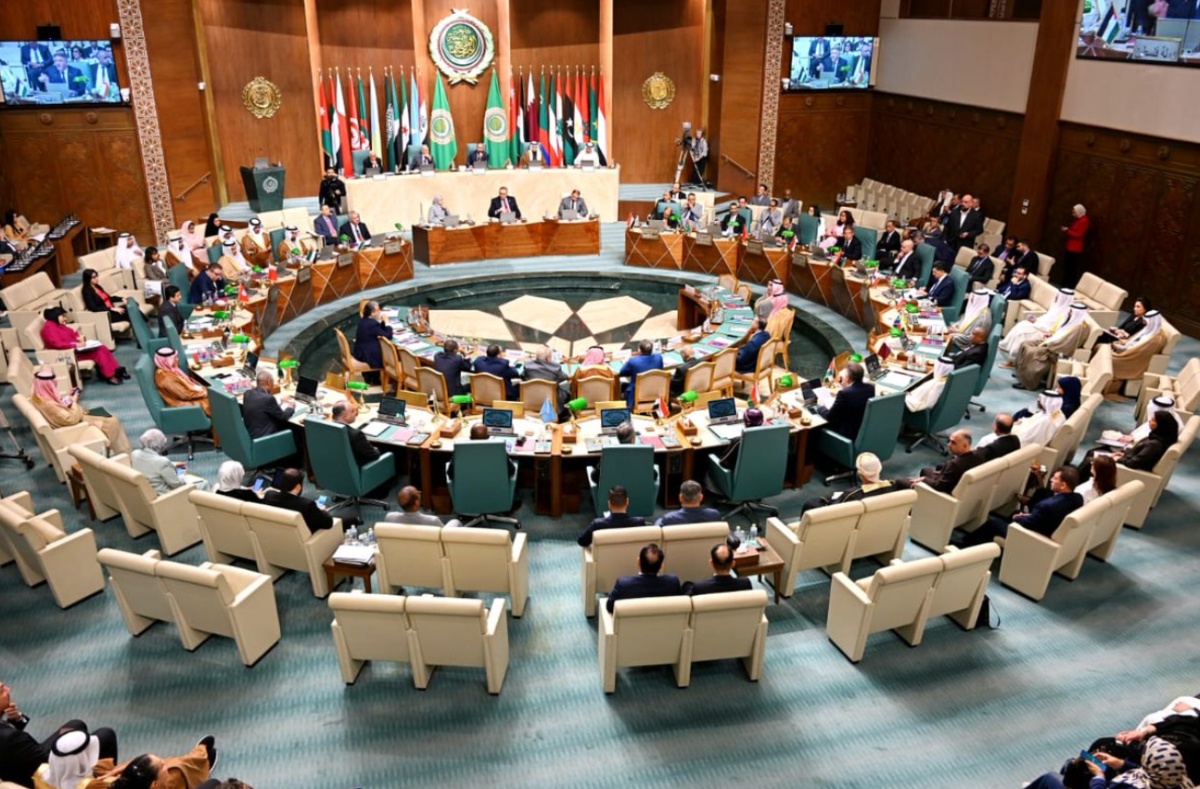

Cairo – The Arab Information Ministers Council concluded its 55th regular session on Wednesday with a strong reaffirmation of support for the Palestinian cause and a call for continued media coverage of the ongoing conflict. Held at the League of Arab States headquarters, the meeting addressed critical issues ranging from media ethics to combating terrorism and promoting sustainable development within the Arab world. The council also focused on strategies to counter narratives surrounding the Israeli-Palestinian conflict.
The council’s resolutions emphasized the need to support Palestine in its political, humanitarian, and legal dimensions, with particular attention to the status of Jerusalem. Ministers urged Arab media organizations to diligently report on developments in Gaza and the West Bank, acknowledging ongoing ceasefire violations and reported human rights concerns. This commitment to media advocacy forms a key part of the broader Arab strategy.
Strengthening Media Support for the Palestinian Cause
A central theme of the session was bolstering media efforts related to the Palestinian cause. The council specifically condemned the targeting of journalists by Israeli forces, citing violations of international humanitarian law. According to the council, this action underscores the importance of independent reporting and the protection of media freedom in conflict zones.
Additionally, the council stressed the necessity of actively countering the Israeli narrative through strategic media outreach. This includes promoting a more balanced and comprehensive understanding of the historical and current context of the conflict. The Arab Media Action Plan Abroad was identified as a crucial tool in achieving these objectives.
Focus on Media Ethics and Literacy
Beyond the immediate crisis, the council dedicated significant attention to improving the overall quality and ethical standards of Arab media. They emphasized the importance of adhering to the Media Code of Ethics, recently amended during the 163rd session of the League of Arab States.
The code prioritizes integrity, objectivity, accuracy, and credibility, while also promoting tolerance and rejecting biased or discriminatory rhetoric. Furthermore, the council adopted the Arab Strategy for Media and Information Literacy, aligning it with the broader Arab Vision 2045, which was approved at the 34th Arab Summit in Baghdad. This initiative aims to equip citizens with the skills to critically evaluate information and navigate the evolving media landscape.
Combating Terrorism and Promoting Sustainable Development
The council also addressed regional security concerns, tasking a team of experts with developing a detailed implementation plan for the Arab Media Strategy for Combating Terrorism. This work will be conducted in collaboration with the Naif Arab University for Security Sciences. The goal is to create a coordinated approach to countering extremist ideologies and narratives through media channels.
Meanwhile, efforts to advance sustainable development were reinforced through continued support for the Arab Media Roadmap for Sustainable Development. The council called on member states and relevant organizations to prioritize the implementation of this roadmap, recognizing the vital role of media in raising awareness and promoting responsible environmental practices. Relatedly, the council adopted the Unified Arab Plan for Addressing Environmental Issues and Sustainable Development.
Expanding Collaboration and Recognizing Excellence
To enhance cooperation and knowledge sharing, the council granted observer status to the Islamic World Educational, Scientific and Cultural Organization (ICESCO) and the Arab Academy for Science, Technology and Maritime Transport. This move is expected to facilitate the exchange of expertise and best practices in the media and communication field.
The council also approved the establishment of the Arab Child Media Award, a joint initiative between the League of Arab States’ Media and Communication Sector and Social Affairs Sector. This award aims to recognize and promote high-quality media content that addresses the needs and rights of children in the Arab region. The council now comprises 20 unions and organizations focused on news, production, and media frameworks.
Looking ahead, the council tasked a working group, in cooperation with the Arab States Broadcasting Union, with preparing a comprehensive vision for negotiations with international media companies. This vision is expected to be presented at the next session of the council, with the aim of securing more favorable coverage of Arab issues and perspectives. The timeline for these negotiations remains uncertain, and the outcome will depend on the willingness of international media organizations to engage constructively.