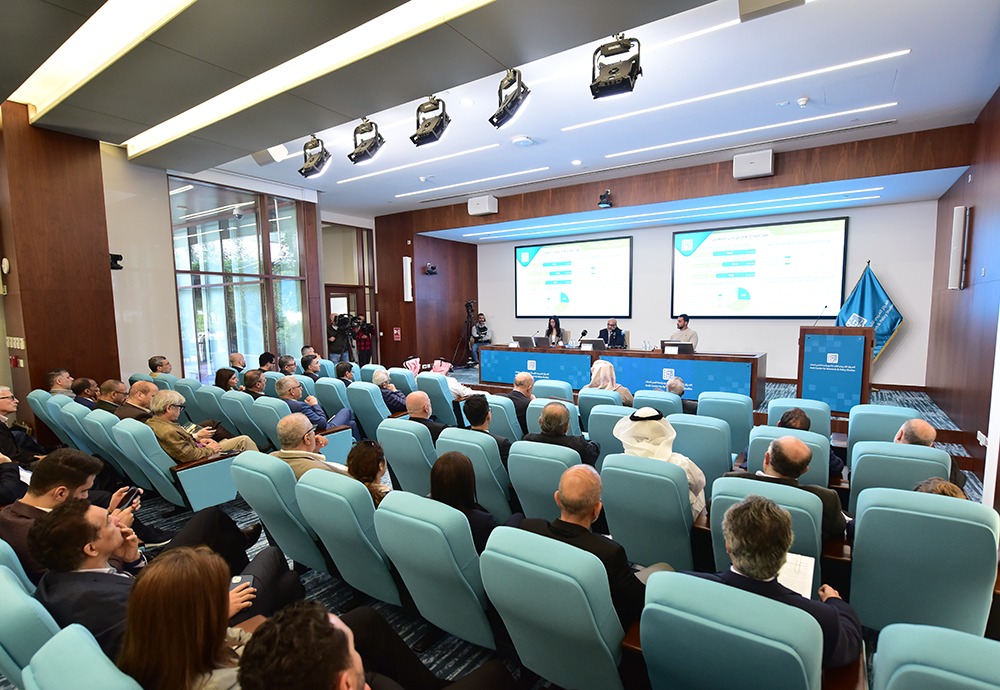

Doha, Qatar – The Arab Center for Research and Policy Studies (ACRPS) released the findings of its comprehensive Arab Opinion Index (AOI) 2025 today, offering a detailed snapshot of public sentiment across fifteen Arab nations. The extensive survey, the largest of its kind in the region, examines evolving views on political, economic, and social issues impacting the Arab world. The results were presented at a press conference in Doha, providing valuable insights for policymakers and analysts.
The AOI 2025, conducted between October 2024 and August 2025, involved face-to-face interviews with 40,130 respondents, carefully selected to be representative of the populations in each of the fifteen participating countries. Dr. Mohamed El Masry, Executive Director of ACRPS, highlighted the scale of the undertaking, noting the involvement of 1,000 researchers and over 413,000 hours of fieldwork. This data collection effort spanned more than one million kilometers traveled by field researchers, underscoring the commitment to comprehensive regional coverage.
Understanding the Scope of the Arab Opinion Index
The Arab Opinion Index is a recurring project, now in its ninth iteration, designed to track shifts in public opinion over time. According to ACRPS, the survey aims to provide a robust and reliable data source for understanding the complex dynamics shaping the Arab world. This year’s index builds upon previous findings, allowing for comparative analysis of trends and emerging concerns.
Methodology and Data Collection
The AOI 2025 employed a rigorous methodology to ensure data accuracy and representativeness. Researchers conducted in-person interviews, a method chosen to overcome challenges related to internet access and digital literacy in some areas. The large sample size and stratified sampling techniques are intended to minimize bias and provide statistically significant results. The survey covered a broad range of topics, including governance, economic conditions, social values, and foreign policy perceptions.
Additionally, the survey delved into citizen attitudes towards regional conflicts and international relations. Preliminary reports suggest a nuanced understanding of geopolitical issues among respondents, with varying perspectives depending on national context and individual experiences. The index also explored public trust in institutions, including governments, media, and civil society organizations.
Key Findings and Emerging Trends
While a full detailed report is forthcoming, Dr. El Masry indicated that the AOI 2025 reveals significant shifts in public priorities. The report indicates growing concerns about economic hardship and unemployment, particularly among young people. However, the survey also points to a continued desire for political reform and greater citizen participation in governance.
In contrast to some previous findings, the 2025 index suggests a slight increase in optimism regarding the future of the Arab region, although this sentiment remains cautiously tempered by ongoing challenges. The survey also examined attitudes towards social issues, such as gender equality and religious freedom, revealing a diversity of views across the fifteen countries. The findings on Arab public opinion are expected to be of particular interest to international organizations and policymakers engaged in the region.
The ACRPS emphasized the importance of considering the unique context of each country when interpreting the results. Political and economic conditions vary significantly across the Arab world, and these differences are reflected in the survey data. The center plans to release individual country reports in the coming weeks, providing a more detailed analysis of specific national trends. Further analysis of political attitudes will be published shortly.
The ACRPS anticipates publishing the complete AOI 2025 report, including detailed data tables and analysis, by the end of November 2025. Researchers will then begin planning for the AOI 2026, with a focus on refining the methodology and expanding the scope of the survey. Ongoing monitoring of regional research will be crucial for understanding the evolving dynamics of the Arab world and informing effective policy responses.