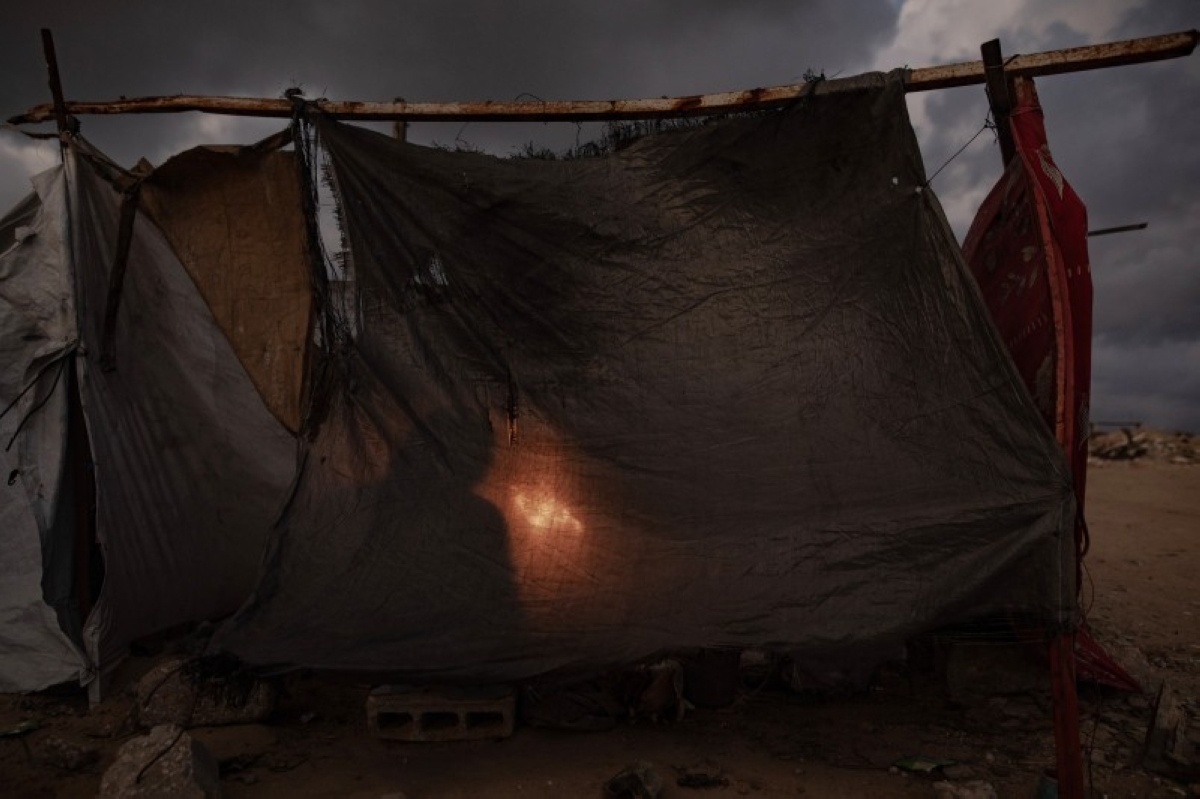

Foreign ministers from several Arab and Muslim-majority nations have voiced grave concerns regarding the worsening humanitarian crisis in Gaza, exacerbated by recent severe weather. The joint statement, released Friday, highlights the urgent need for increased aid access and the protection of displaced Palestinians as winter conditions intensify. The ministers warned that restricted aid deliveries are compounding the suffering of nearly 1.9 million people.
The collective call for action comes from the foreign ministers of Saudi Arabia, Jordan, the United Arab Emirates, Indonesia, Pakistan, Türkiye, Qatar, and Egypt. They emphasized the immediate dangers posed by heavy rainfall, storms, and plummeting temperatures to a population already struggling with displacement and limited resources. The statement underscores the critical need for Israel to ease restrictions on aid entering the region.
The Deteriorating Humanitarian Situation in Gaza
The situation in Gaza has been rapidly declining since the start of the conflict. According to UNRWA, the UN agency for Palestinian refugees, the vast majority of Gaza’s population has been displaced, seeking shelter in overcrowded and inadequate facilities. These shelters are now facing the added challenge of extreme weather, increasing the risk of disease and further hardship.
Impact of Winter Weather
The recent storms have caused widespread flooding in displacement camps, damaging tents and weakening already fragile structures. Exposure to cold temperatures, combined with widespread malnutrition, significantly elevates the risk of respiratory illnesses and other health complications, particularly among vulnerable populations like children, the elderly, and those with pre-existing medical conditions. The ministers specifically noted the increased threat of disease outbreaks.
Additionally, the limited availability of clean water and sanitation facilities is compounding the health risks. The breakdown of infrastructure due to the conflict has further hampered efforts to provide basic services, leaving residents vulnerable to waterborne diseases. The report indicates that the lack of fuel is also hindering the operation of essential facilities, including hospitals.
Calls for Increased Aid Access
The ministers urged Israel to allow the unimpeded entry of humanitarian assistance through the United Nations and its agencies. They specifically called for the provision of essential supplies such as tents, shelter materials, medical aid, clean water, fuel, and sanitation support. They stressed that any obstruction to the work of humanitarian organizations is unacceptable.
The statement also referenced UN Security Council Resolution 2803, which calls for urgent and sustained humanitarian access to Gaza. Furthermore, the ministers expressed support for a comprehensive plan proposed by the US administration, aiming to secure a ceasefire and establish a path towards Palestinian self-determination. The plan’s success, they stated, hinges on ensuring a sustainable ceasefire and a dignified life for Palestinians.
Meanwhile, international organizations are struggling to operate effectively under the current restrictions. UNRWA continues to provide critical assistance, but its operations are severely hampered by limited access and ongoing security concerns. The agency has repeatedly appealed for increased funding and greater freedom of movement to reach those in need.
Long-Term Recovery and Political Considerations
Beyond immediate humanitarian relief, the ministers emphasized the urgent need to launch early recovery efforts, including providing permanent and dignified shelter for displaced civilians. This includes rehabilitating damaged infrastructure and hospitals to restore essential services. The focus on early recovery signals a recognition that the Gaza crisis requires a long-term solution, not just temporary fixes.
In contrast to the immediate needs, the statement also touched upon the political dimensions of the crisis. The ministers reaffirmed their commitment to a two-state solution and the establishment of a sovereign Palestinian state. They called for a credible path towards Palestinian self-determination, linking the humanitarian response to broader political goals. The situation in Gaza is intrinsically linked to the ongoing Israeli-Palestinian conflict and the pursuit of a lasting peace.
The ministers also urged the international community to uphold its legal and moral responsibilities and to exert pressure on Israel to lift restrictions on aid deliveries. They reiterated that, as the occupying power, Israel has a legal obligation to ensure the well-being of the Palestinian population. The concept of “occupying power” and associated responsibilities is a key element of international law in this context.
Looking ahead, the international community will be closely monitoring Israel’s response to these calls for increased aid access. The opening of the Rafah crossing, as suggested in the US plan, remains a critical step in facilitating the flow of humanitarian assistance. The next few weeks will be crucial in determining whether sufficient aid can reach Gaza before the winter conditions worsen further. The implementation of Resolution 2803 and the progress of the US-backed plan will also be key indicators of the situation’s trajectory.