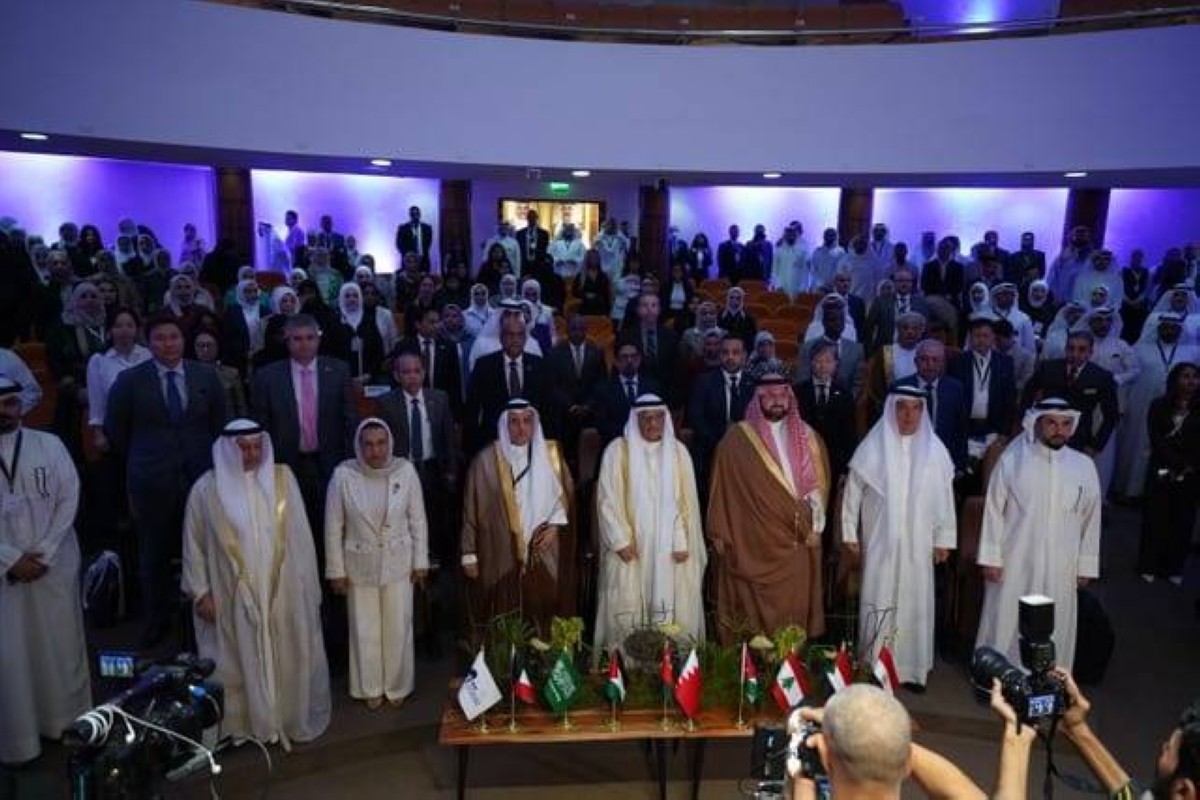

Kuwait is rapidly positioning itself as a regional leader in technological innovation, and the recent success of the International Summit on Artificial Intelligence (AI) Horizons 2025, hosted by the Arab Open University (AOU), underscores this commitment. This landmark event, held November 12-13th, brought together prominent figures and experts to chart a course for the responsible and effective integration of AI across the Arab world, specifically focusing on Kuwait’s future preparedness. The summit’s robust agenda and impactful recommendations signal a significant step forward in realizing the potential of AI technology within the region.
A High-Profile Gathering Focused on AI’s Future
The summit held significant prestige, operating under the generous patronage of His Highness the Prime Minister Sheikh Ahmad Al-Abdullah Al-Ahmad Al-Sabah. Dr. Nader Abdullah Al-Jallal, Minister of Higher Education and Scientific Research, attended on his behalf, demonstrating the government’s strong support for AI development.
The presence of Prince Abdulaziz bin Talal bin Abdulaziz Al Saud, Chairman of the AOU Board of Trustees, further elevated the event. Representatives from diplomatic corps, crucial government entities, forward-thinking private-sector institutions, and leading regional and local universities filled the halls, fostering a truly collaborative environment.
This diverse participation was pivotal in facilitating comprehensive discussions about the opportunities and challenges presented by AI, and ultimately, crafting impactful strategies for its implementation.
Key Outcomes and Recommendations from the Summit
The International Summit on Artificial Intelligence Horizons 2025 wasn’t merely a discussion forum; it was a catalyst for concrete action. Over the two days, attendees engaged in specialized scientific sessions, hands-on workshops, crucial committee deliberations, a dynamic AI hackathon, and showcased cutting-edge student projects focused on real-world solutions in sustainability, education, and smart services.
These activities ultimately culminated in a set of key recommendations designed to propel Kuwait and the wider Arab region towards a future powered by responsible AI.
Strengthening Governance and Ethical Frameworks
A central theme emerging from the summit was the imperative of establishing a strong ethical and governance foundation for AI development. Recommendations included the crucial step of creating a regional framework for responsible AI, specifically within the education sector.
Furthermore, the formation of a “Governance and AI Superintelligence Preparedness Council” was proposed to actively promote ethical considerations, transparency in AI operations, and the essential development of advanced curricula that integrate these principles. This demonstrates a proactive stance towards mitigating potential risks associated with rapidly evolving AI capabilities.
Fostering Collaboration and Innovation
Recognizing that achieving impactful AI integration requires a unified effort, the summit stressed the need for closer collaboration between various stakeholders. This led to recommendations for:
- Launching the National AI Research and Education Network (NAIREN) to connect universities, research centers, and industry partners within Kuwait. This network would streamline research, accelerate innovation, and facilitate knowledge sharing.
- Forming a permanent multi-stakeholder body, inclusive of academia, industry, and government, to continually monitor developments in the AI landscape and issue regular oversight reports.
- Developing a regional Arabic-language Large Language Model (LLM) to cater specifically to regional needs, bolster education, enhance government services, and support broader Arab digital sovereignty. The push for an Arabic LLM is particularly important to ensure inclusivity and maintain cultural relevance.
Empowering Human Capital and Aligning with Kuwait Vision 2035
The summit also addressed the critical need to prepare the workforce for the age of artificial intelligence. Recommendations focused on human capital development, advocating for national upskilling programs and specialized training for faculty, students, and key leadership personnel. This initiative aims to equip individuals with the necessary digital competencies to thrive in an AI-driven economy.
Additionally, the creation of a Regional Center of Excellence for AI and an AI-for-Sustainability Center were proposed to further drive research, innovation, and the development of intelligent solutions applicable across various sectors. Crucially, integrating AI into national quality assurance and accreditation systems was suggested to ensure education remains flexible, fair, and aligned with the overarching goals of Kuwait Vision 2035. This vision prioritizes sustainable development and economic diversification, areas where AI can play a transformative role.
AOU’s Commitment to a Future Driven by AI
AOU President Prof. Mohammad Ibrahim Al-Zakri eloquently summarized the summit’s importance, stating it “reflects the Arab Open University’s leading role in shaping the regional dialogue on responsible artificial intelligence.” He emphasized the University’s ongoing commitment to empowering academia, government, and industry as they navigate this new era of advancements in AI technology.
Prof. Al-Zakri further affirmed the AOU’s dedication to implementing the recommendations, doing so in close partnership with government agencies and both regional and international collaborators. This proactive approach signals Kuwait’s intent not just to adapt to the future of AI, but to actively shape it, fostering innovation and development throughout the Arab world. The success of the International Summit on AI Horizons 2025 marks a pivotal moment, demonstrating Kuwait’s ambition and laying the groundwork for a future where AI is harnessed for the benefit of all.