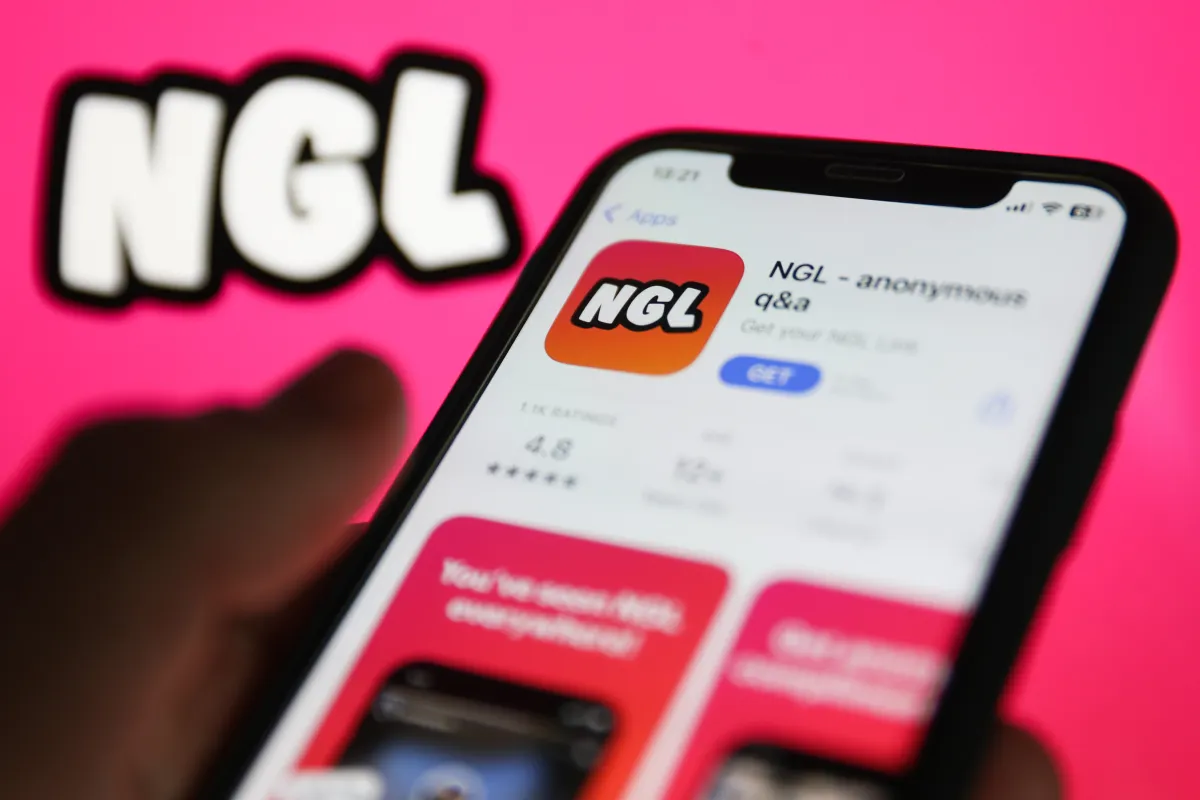

Anonymous messaging app NGL has been acquired by Mode Mobile, a company known for its ad-supported smartphone. The deal, announced Friday, comes after a tumultuous period for NGL, marked by controversy over its growth tactics and a recent Federal Trade Commission (FTC) investigation. The acquisition signals a potential new direction for the app, though its future remains uncertain given its past issues and Mode Mobile’s business model.
NGL Acquisition: A New Chapter for the Anonymous Messaging App
The acquisition by Mode Mobile brings an end to NGL’s independent operation. NGL, which stands for “Not Gonna Lie,” gained popularity in 2021 by allowing users to send and receive anonymous questions and messages, primarily among teenagers. However, the app quickly attracted scrutiny for practices that raised concerns about user safety and deceptive marketing.
Controversies and FTC Action
NGL faced significant backlash for employing what critics described as “shady growth hacking” techniques. These included sending automated, fake messages to users to encourage engagement. Some users reported being misled into paying for a subscription promising to reveal the sender of these messages, despite the messages being generated by the app itself.
The most serious allegations centered around the potential for bullying and harm to young users. Snapchat banned NGL and similar anonymous apps in 2022 following a lawsuit alleging a connection between the platform and a teenager’s suicide. This highlighted the inherent risks associated with anonymous communication, particularly for vulnerable populations.
The FTC’s investigation, concluding in 2024, found that NGL engaged in deceptive practices. According to the FTC, NGL executives dismissed complaints about the fake messages, referring to affected users as “suckers.” The agency imposed a $5 million fine and prohibited NGL from offering its app to minors.
Mode Mobile’s Business Model
Mode Mobile, the acquiring company, operates on a fundamentally different model. It manufactures a smartphone, dubbed the “EarnPhone,” designed to generate revenue for users through constant exposure to digital advertising. Users are compensated for activities like listening to music, playing games, and browsing the web, all while being served a steady stream of ads.
The company’s investor materials reveal that Mode Mobile’s revenue is derived from “digital advertising partners” who pay for user attention. Essentially, the phone functions as a platform for delivering targeted advertising, with a portion of the revenue shared with the user. This approach has drawn comparisons to “get-paid-to” schemes, but Mode Mobile positions it as a novel way to monetize smartphone usage.
The fit between NGL and Mode Mobile appears strategic, given NGL’s history of prioritizing user engagement, even through questionable methods. The acquisition could provide NGL with a new avenue for monetization and a way to circumvent the FTC’s restrictions on marketing to minors, though this remains to be seen.
Implications of the Deal and the Future of Anonymous Apps
The departure of NGL’s founders, Raj Vir and João Figueiredo, is a key aspect of the acquisition. The remaining three employees will transition to work for Mode Mobile. The terms of the sale have not been publicly disclosed.
This acquisition raises questions about the future of anonymous messaging apps, particularly in light of increasing regulatory scrutiny. The FTC’s intervention in the NGL case demonstrates a willingness to protect young users from potentially harmful online experiences. The broader trend of social media regulation is likely to continue, impacting how these platforms operate.
The integration of NGL into Mode Mobile’s ecosystem could also lead to changes in the app’s functionality and user experience. It’s possible that Mode Mobile will leverage NGL’s user base to further expand its advertising reach. However, this could also alienate users who valued the app’s anonymity and are wary of increased commercialization. The privacy implications of combining the two platforms will also likely be a point of concern.
Looking ahead, the success of this acquisition will depend on Mode Mobile’s ability to rehabilitate NGL’s image and navigate the complex regulatory landscape surrounding online privacy and child safety. The FTC will likely monitor NGL’s operations closely under its new ownership. The next steps will involve Mode Mobile outlining its plans for NGL, and the market will be watching to see if the app can regain user trust and establish a sustainable business model.
Additionally, the ongoing debate about the responsible design and regulation of social media platforms will continue to shape the future of anonymous communication.