
The recent visit by His Highness Sheikh Tamim bin Hamad Al Thani, Amir of Qatar, to Kigali, Rwanda, signals a deepening of Qatar-Rwanda relations and a strategic move by Doha to expand its influence in East Africa. The visit, completed this week, underscores Qatar’s commitment to fostering partnerships across the African continent focused on economic development and regional stability. According to statements from Qatari officials, the trip aims to solidify existing collaborations and explore new avenues for investment.
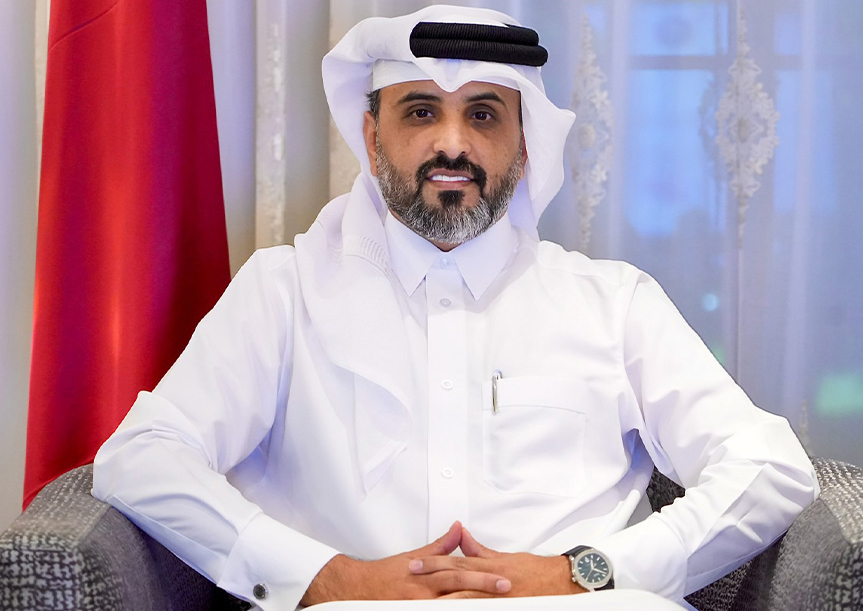
The Amir’s visit took place against a backdrop of evolving global dynamics and Rwanda’s growing prominence as a stable and progressive nation within the region. The timing, as noted by Ali bin Hamad Al Aida, Charge d’Affaires of the Embassy of Qatar in Rwanda, reflects Qatar’s broader strategy of strengthening ties with African nations. This initiative is intended to support security, stability, and sustainable development initiatives throughout the continent.
Strengthening Qatar-Rwanda Relations Through Investment
Bilateral ties between Doha and Kigali have been steadily growing in recent years, driven by shared interests and a converging vision for regional development. Cooperation has already yielded tangible results in sectors like security, education, and transportation, with further expansion anticipated. The Amir’s visit is expected to accelerate this momentum, particularly in areas of development, innovation, and investment in Rwanda.
Key Areas of Cooperation
Several key projects are at the forefront of this burgeoning partnership. Notably, the Bugesera International Airport, currently under construction, represents a significant joint venture. This new airport is projected to become a major regional transportation and logistics hub, boosting Rwanda’s economic prospects and connectivity. Additionally, collaboration in aviation services and other infrastructure projects are expected to be formalized through new agreements signed during the visit.
However, the scope of cooperation extends beyond infrastructure. Discussions reportedly included opportunities for Qatari investment in Rwanda’s growing technology sector and potential partnerships in sustainable energy initiatives. These discussions align with Rwanda’s national development goals and Qatar’s commitment to diversifying its investment portfolio. The visit also provided a platform to discuss regional security challenges and explore avenues for joint efforts to promote stability.
According to Al Aida, the visit embodies Rwanda’s position as a reliable partner for Qatar, built on a foundation of mutual trust and respect. This sentiment was echoed by Rwandan officials who emphasized the importance of Qatar’s support in achieving their development objectives. The strengthening of diplomatic ties is also expected to facilitate increased people-to-people exchange and cultural understanding.
Meanwhile, Qatar’s increased engagement in Rwanda is part of a broader trend of Gulf states seeking to expand their economic and political influence in Africa. This increased attention from the Gulf region is driven by factors such as access to new markets, resource diversification, and strategic geopolitical considerations. The competition for influence among these nations is likely to intensify in the coming years.
The agreements signed during the Amir’s visit are expected to provide a framework for sustained cooperation over the next several years. These agreements will likely outline specific investment commitments, timelines for project implementation, and mechanisms for monitoring progress. The successful implementation of these initiatives will be crucial in realizing the full potential of the Qatar-Rwanda partnership.
Looking ahead, the completion of the Bugesera International Airport remains a key milestone. The project is currently slated for completion in 2025, although potential delays due to logistical challenges or funding constraints remain a possibility. Further developments to watch include the specific details of the new investment agreements and the extent to which they translate into tangible economic benefits for both nations. The long-term impact of this strengthened relationship on regional stability and economic growth will also be a key area of observation.
Source: The Peninsula Qatar
Source: QNA
Source: The New Times Rwanda