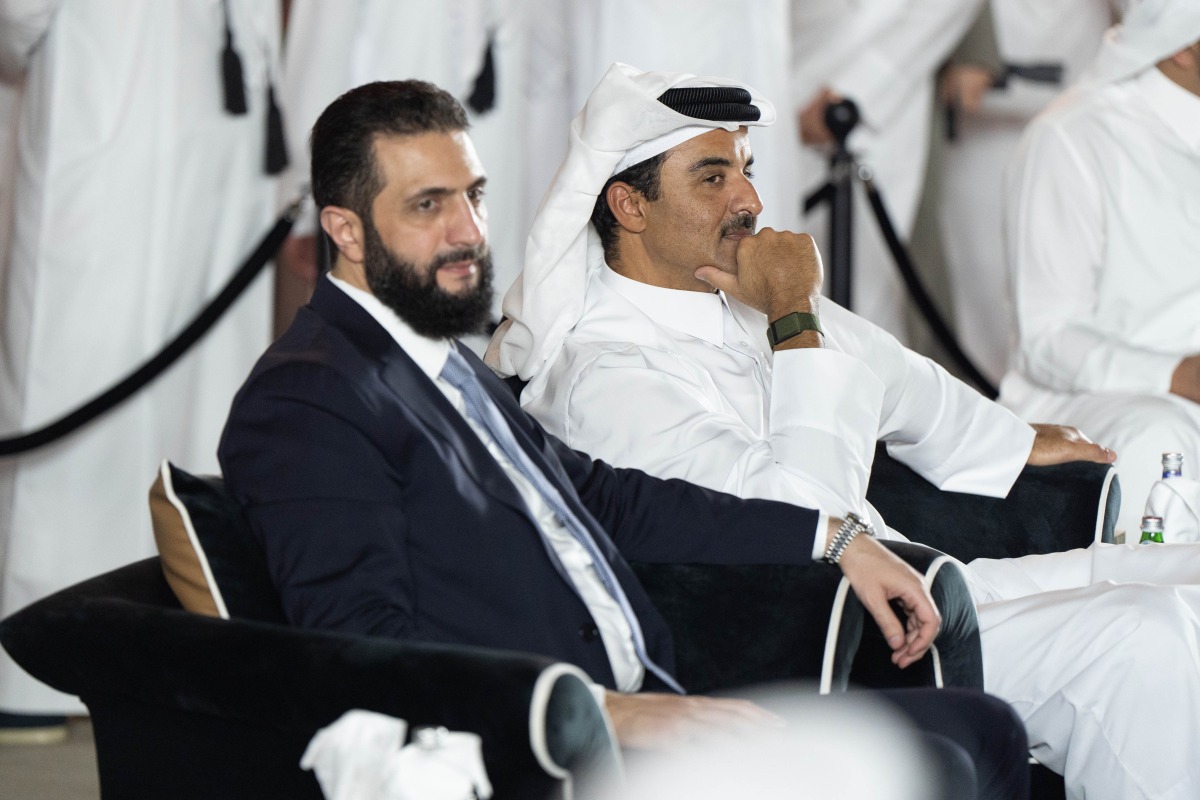

Doha, Qatar – The Amir HH Sheikh Tamim bin Hamad Al-Thani and Syrian President Ahmed Al Sharaa attended the culmination of equestrian excellence on Saturday, witnessing the final rounds of the 2025 World Arabian Horse Championship. The prestigious event, held at the Old Doha Port, drew elite purebred Arabian horse stables from around the globe. The championship is a significant cultural and sporting occasion for Qatar, reinforcing its position as a hub for equestrian activities.
Organized by Katara Cultural Village in collaboration with the National Centre for Agricultural Exhibitions and Competitions (CENECA) of France, the championship showcased the beauty, athleticism, and lineage of Arabian horses. Dignitaries present included HH Sheikh Jassim bin Hamad Al-Thani, the Personal Representative of the Amir, and HH Sheikh Ammar bin Humaid Al Nuaimi, the Crown Prince of Ajman. The event attracted a considerable audience, highlighting the enduring appeal of this traditional breed.
The Significance of the World Arabian Horse Championship
The World Arabian Horse Championship is considered the premier international competition for the breed, governed by standards set by the World Arabian Horse Organization (WAHO). These standards ensure the preservation of the Arabian horse’s unique characteristics and pure lineage. Competition is fiercely contested across multiple classes, evaluating conformation, movement, and overall presentation.
Qatar’s increasing involvement in equestrian sports, including Arabian horse breeding and showing, reflects a broader national strategy to diversify its economy and promote cultural heritage. According to reports from the Qatar Tourism Authority, sporting events contribute significantly to the nation’s tourism revenue. This event is expected to boost local businesses and showcase Qatar’s infrastructure.
Historical Roots of the Arabian Horse
The Arabian horse boasts a rich history dating back thousands of years, originating in the Arabian Peninsula. Known for their distinctive head shape, high tail carriage, and endurance, they have profoundly influenced horse breeds worldwide. Their contributions are evident in the development of thoroughbreds, warmbloods, and many other riding and performance horses.
Traditionally, Arabian horses were prized possessions of Bedouin tribes, valued for their speed, stamina, and loyalty. These horses were crucial for travel, warfare, and trade across the harsh desert terrain. The preservation of the breed’s purity is a continuous effort championed by breeders and organizations like WAHO.
The partnership between Katara Cultural Village and CENECA demonstrates Qatar’s commitment to collaborating with international experts in equestrian event management. CENECA brings decades of experience in staging world-class agricultural and equestrian shows across Europe. This international collaboration raises the profile of the championship and enhances its organizational efficiency.
The Old Doha Port, recently repurposed as a vibrant cultural destination, provided a fitting backdrop for the event. The port’s renovation aligns with Qatar’s focus on urban development and creating spaces for cultural and recreational activities. The venue’s size and amenities accommodated the demands of the competing horses, riders, and spectators.
Beyond the competitive aspect, the championship served as a platform for promoting horse breeding and showcasing the artistry of horsemanship. The event draws attention to the importance of responsible equine care and the ongoing efforts to maintain the health and well-being of these magnificent animals. Opportunities for networking and knowledge sharing were also present for breeders, trainers, and enthusiasts.
The selection of Qatar to host such a prominent event further validates its growing reputation as a premier destination for international sports. The country has previously hosted events like the FIFA World Cup, and continues to invest in state-of-the-art facilities to attract more global competitions. This strategy aims to diversify Qatar’s economy beyond its reliance on oil and gas.
Looking ahead, organizers will likely analyze feedback from this year’s event to refine future championships. The sustained success of the World Arabian Horse Championship hinges on securing continued sponsorship, attracting top-tier competitors, and maintaining high standards of organization and equestrian events. Future dates and potential rule changes will be announced by WAHO and Katara Cultural Village in the coming months.
The Peninsula Qatar offers further coverage of the event.