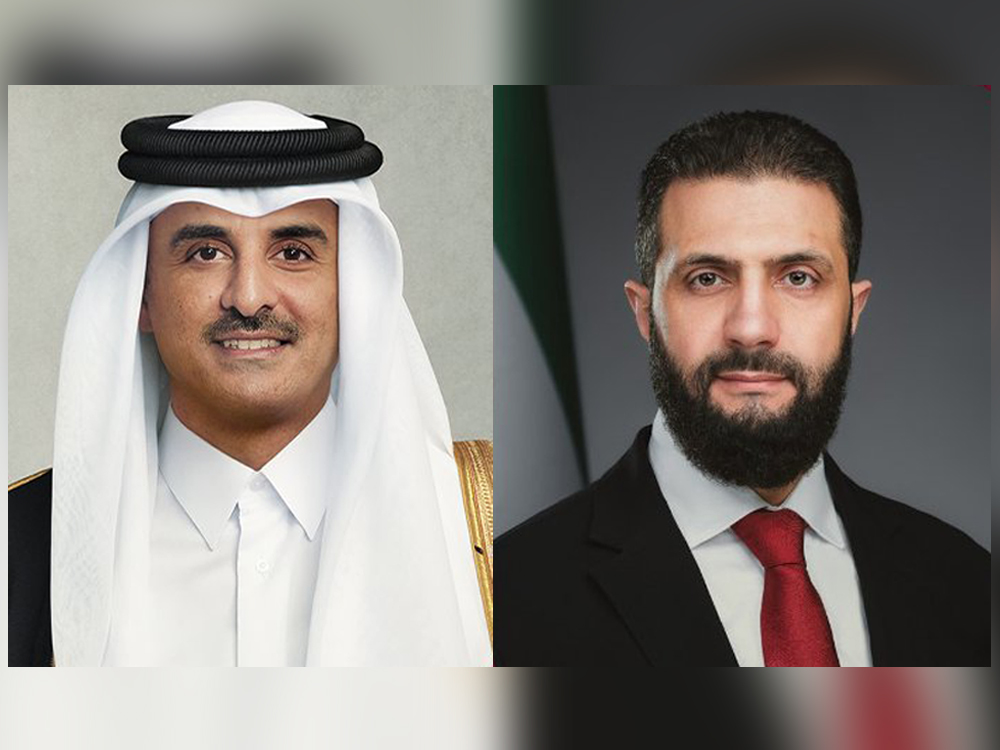

Doha, Qatar – In a significant diplomatic move, the Amir of Qatar, HH Sheikh Tamim bin Hamad Al-Thani, spoke with Syrian President Bashar al-Assad by phone on Tuesday. The conversation centered on strengthening Qatar-Syria relations and addressing the ongoing situation in Syria, signaling a potential shift in Qatar’s approach to the conflict-ridden nation. The call took place as regional dynamics continue to evolve and international efforts to find a lasting resolution in Syria persist.
The discussion, reported by the Qatar News Agency, covered a range of topics including bilateral ties, regional developments, and the pursuit of peace and stability within Syria. This communication represents a notable development given Qatar’s previous stance on the Syrian civil war, which began in 2011. The focus on dialogue and peaceful solutions suggests a willingness to engage constructively with the current Syrian government.
Qatar and Syria: Re-evaluating Diplomatic Ties
For over a decade, Qatar has been a vocal critic of the Assad regime, supporting opposition groups seeking to overthrow the government. This support stemmed from concerns over human rights abuses and the suppression of pro-democracy movements during the Arab Spring. However, recent months have seen a gradual warming of relations between several Arab states and Syria, including the United Arab Emirates and Bahrain, prompting speculation about a potential re-normalization of ties across the region.
According to analysts, the changing geopolitical landscape, particularly the need for regional cooperation in addressing issues like counter-terrorism and economic stability, is driving this shift. The devastating earthquake that struck Turkey and Syria in February 2023 also prompted a wave of humanitarian aid from Gulf states, including Qatar, to Syria, potentially laying the groundwork for increased diplomatic engagement. This aid, while welcomed, did not immediately translate into formal political recognition.
Focus on Syria’s Sovereignty and Territorial Integrity
A key element of the conversation between the Amir and the President was the emphasis on preserving Syria’s unity and sovereignty. Both leaders reportedly agreed on the importance of finding a political solution to the conflict that respects Syria’s territorial integrity and avoids external interference. This aligns with a broader regional consensus that a lasting peace in Syria requires a Syrian-led process.
The call also addressed the latest developments on the Syrian arena, indicating Qatar’s continued interest in the situation despite its evolving relationship with the government. While details of these developments were not specified, they likely include ongoing efforts to address the humanitarian crisis, the presence of foreign forces in Syria, and the stalled constitutional process aimed at resolving the political deadlock. The situation in Syria remains complex, with multiple actors and competing interests.
The move by Qatar comes amidst ongoing discussions about Syria’s reintegration into the Arab League, from which it was suspended in 2011. Several member states have expressed support for lifting the suspension, arguing that it is necessary to facilitate a political solution and address the humanitarian needs of the Syrian people. Arab News reported that an emergency meeting was held in May 2023 to discuss the situation.
The implications of this phone call extend beyond bilateral relations. It could signal a broader shift in Qatar’s foreign policy, potentially leading to increased engagement with other countries in the region that have been previously ostracized. This could also have an impact on the dynamics of the Syrian conflict, potentially creating new opportunities for dialogue and negotiation. The normalization of ties with Syria is a sensitive issue, and Qatar will likely proceed cautiously.
Looking ahead, it remains to be seen what concrete steps Qatar will take to further strengthen its relationship with Syria. Further diplomatic contacts are expected, and the possibility of reopening the Qatari embassy in Damascus, which was closed in 2012, cannot be ruled out. The timing and extent of any such moves will likely depend on developments on the ground in Syria and the broader regional context, as well as ongoing assessments of the Syrian government’s commitment to political reform and human rights. The situation warrants continued monitoring for further indications of Qatar’s evolving policy towards Syria and the wider region.
The future of Qatar’s involvement in Syria, and the broader Arab-Syria relations, will be closely watched by international observers. The potential for increased regional stability hinges, in part, on continued dialogue and a commitment to peaceful resolutions.