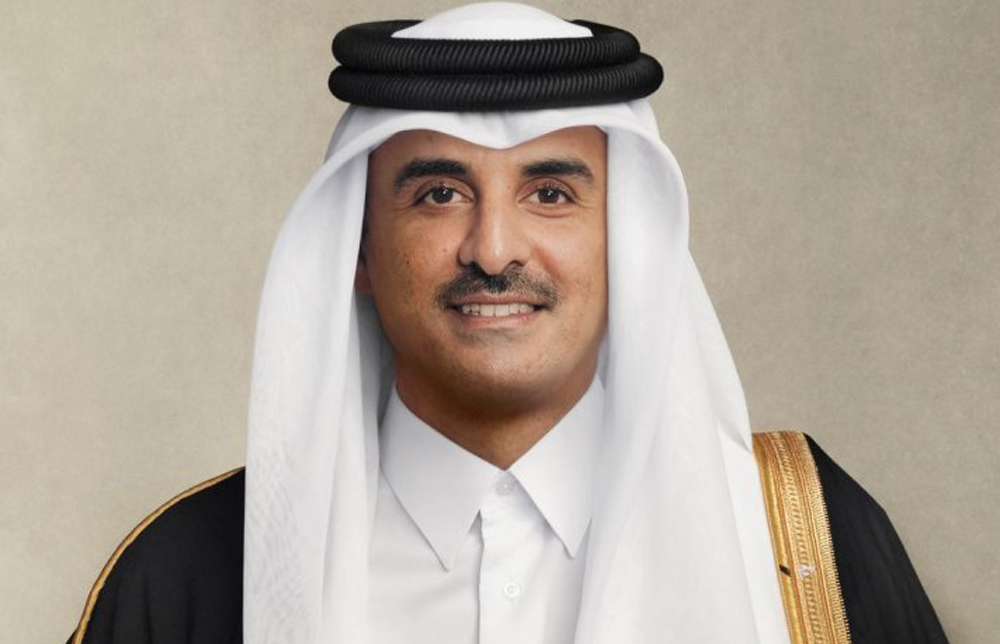

Doha, Qatar – His Highness Sheikh Tamim bin Hamad Al Thani, the Amir of Qatar, has extended congratulations to Mamady Doumbouya following his election as President of the Republic of Guinea. The message, sent on February 24, 2022, signals Qatar’s continued engagement with the West African nation and its new leadership, potentially strengthening Qatar-Guinea relations. This development comes after a period of political transition in Guinea following a military coup in September 2021.
The congratulatory cable, reported by The Peninsula Qatar, expressed HH the Amir’s wishes for President Doumbouya’s success in his new role and affirmed Qatar’s desire for further growth and development in the bilateral relationship. This diplomatic outreach underscores Qatar’s policy of maintaining constructive dialogue with nations undergoing political shifts, and its interest in fostering stability in the region. The move also highlights Qatar’s broader strategy of diversifying its international partnerships.
Strengthening Qatar-Guinea Relations
While specific details of future collaborations weren’t included in the initial announcement, the Amir’s message indicates a willingness to explore opportunities in areas of mutual interest. Historically, Qatar-Guinea relations have centered around economic cooperation, particularly in the energy sector. Guinea possesses significant bauxite reserves, a key component in aluminum production, and Qatar has shown interest in investing in Guinea’s mining industry.
Political Context in Guinea
Mamady Doumbouya, a former French Legionnaire, led the military coup that ousted President Alpha Condé in September 2021. The coup followed widespread protests against Condé’s controversial decision to seek a third term in office. The African Union and international bodies condemned the coup and called for a swift return to constitutional order.
Doumbouya subsequently pledged to oversee a transition to civilian rule, but the timeline for elections remains uncertain. According to reports from Reuters, the transitional government has faced challenges in establishing a clear roadmap for democratic governance. The international community continues to monitor the situation closely, emphasizing the importance of respecting human rights and the rule of law.
However, Qatar’s congratulatory message doesn’t appear to be contingent on immediate democratic progress. Instead, it reflects a pragmatic approach to engaging with the current leadership while encouraging a return to civilian governance. This is consistent with Qatar’s foreign policy approach in other nations experiencing political instability.
Economic Opportunities and Investment
Beyond bauxite, Guinea also has potential in agriculture and infrastructure development. Qatar’s sovereign wealth fund, the Qatar Investment Authority (QIA), has a history of investing in infrastructure projects globally, and Guinea could potentially benefit from such investments. The country’s agricultural sector also presents opportunities for Qatari companies seeking to diversify their investments.
Additionally, Qatar has been actively seeking to expand its diplomatic and economic footprint in Africa. This move towards increased international cooperation is part of Qatar’s broader strategy to enhance its global influence and secure access to vital resources. The country has also been involved in mediation efforts in several African conflicts, demonstrating its commitment to regional stability.
In contrast to some Western nations that have adopted a more cautious approach towards the new Guinean government, Qatar appears willing to maintain a working relationship. This could provide Qatar with a strategic advantage in securing future economic opportunities in the country. The potential for increased foreign investment in Guinea is a key factor driving Qatar’s engagement.
Looking ahead, the next steps will involve the appointment of Qatari representatives to engage with the new Guinean administration and explore specific areas for collaboration. The timeline for any significant agreements or investments remains unclear, dependent on the political and economic situation within Guinea. Observers will be watching to see how Qatar balances its economic interests with its stated commitment to democratic principles in the country.