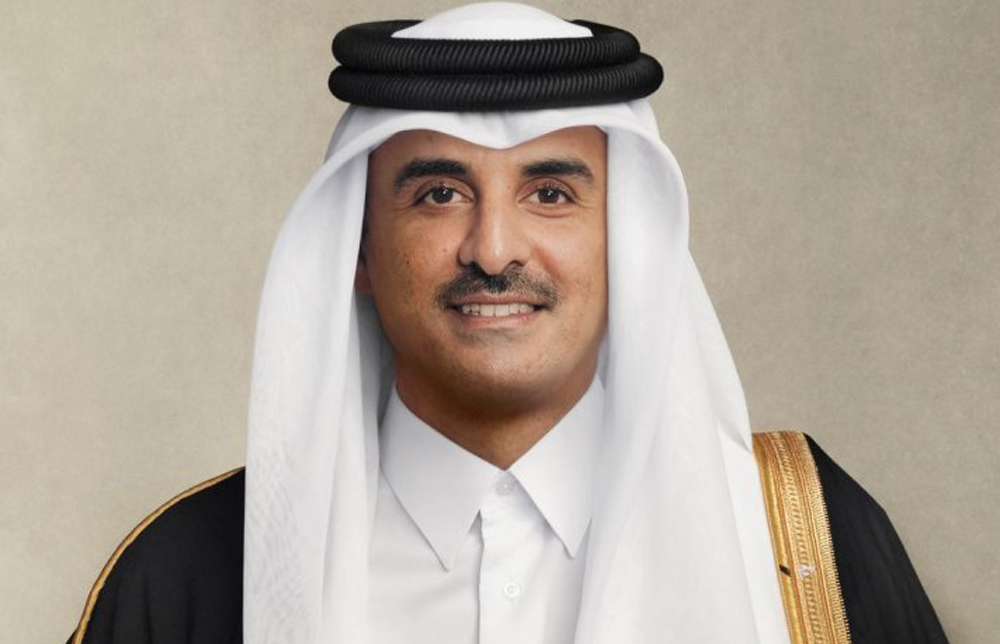

Doha, Qatar – His Highness Sheikh Tamim bin Hamad Al Thani, the Amir of Qatar, extended congratulations to Cuban President Miguel Diaz-Canel on January 1st, marking the annual observance of the Triumph of the Revolution Day in Cuba. The message conveyed Qatar’s sincere wishes for continued prosperity and stability for Cuba and its people. This diplomatic exchange underscores Qatar’s ongoing engagement with nations across Latin America and its respect for key historical events.
The Triumph of the Revolution Day commemorates the overthrow of the Fulgencio Batista government by the forces led by Fidel Castro in 1959. The date represents a pivotal moment in Cuban history, shifting the country towards a socialist model of governance. Qatar’s acknowledgement of this important date reflects the country’s broader foreign policy of maintaining positive relations with diverse political systems.
Understanding the Significance of Triumph of the Revolution Day
The 1st of January holds immense cultural and political weight for Cubans, both domestically and within the diaspora. It’s a national holiday celebrated with parades, rallies, and commemorative events across the island nation. Beyond a celebration of victory, the day serves as a reminder of the social and economic changes implemented following the revolution, including advancements in healthcare and education.
Historical Context of the Cuban Revolution
The Cuban Revolution was a complex and multifaceted struggle rooted in decades of political instability, economic inequality, and U.S. influence. Batista’s regime, backed by the United States, faced widespread discontent due to corruption and repression. Castro’s revolutionary movement gained traction by promising land reform, nationalization of industries, and social justice, resonating with a large segment of the population.
Qatar and Cuba have maintained diplomatic relations since 1989, with a focus on strengthening collaborations in fields like healthcare and education. According to the Qatari Ministry of Foreign Affairs, these ties are based on mutual respect and a shared commitment to international cooperation. Recent years have witnessed increased Qatar investment in Latin American markets, including potential interest in Cuba’s developing tourism sector.
The congratulations come amid ongoing U.S. sanctions against Cuba, a policy that has significantly impacted the Cuban economy. Qatar has frequently advocated for peaceful resolutions to international conflicts and for dialogue as a means of addressing complex geopolitical challenges. This stance may inform its continued diplomatic efforts with Cuba despite external pressures.
Additionally, Cuba’s political landscape recently underwent a transition with Miguel Diaz-Canel succeeding Raul Castro as President in 2018. This marked the first time in decades that someone other than a Castro family member held the highest office in the country. The appointment signaled a potential shift towards a new generation of leadership while largely maintaining the existing socialist system.
Meanwhile, the celebration of Triumph of the Revolution Day also provides an opportunity for Cubans to reflect on the challenges facing the nation, including economic hardship and limited political freedoms. The government often uses the occasion to reaffirm its commitment to socialist principles and to rally support for its policies. This year, the celebration comes as Cuba navigates a difficult economic environment and continues to grapple with the effects of the COVID-19 pandemic.
In contrast to some nations, Qatar has proactively pursued a policy of diversifying its international partnerships, engaging with countries regardless of ideological differences. This approach is consistent with Qatar’s role as a regional mediator and its pursuit of economic self-sufficiency. Maintaining a presence in Latin America allows Qatar to expand its influence and secure access to new markets. The Council on Foreign Relations details Qatar’s rising geopolitical role.
Looking ahead, it remains to be seen how Qatar and Cuba will further develop their bilateral relationship. Potential areas for expanded cooperation include renewable energy and infrastructure development. The evolving geopolitical situation and the ongoing economic challenges in Cuba will likely shape the future of this partnership, and observers will be watching for any significant policy shifts in both countries relating to Cuba’s economic crisis and international relations.
The potential for renewed U.S. engagement with Cuba is a key factor to watch, as any changes in U.S. policy would undoubtedly have significant implications for Qatar’s relationship with Havana. The U.S. Department of State regularly updates its policy towards Cuba, providing insights into the future direction of these complex ties.
The Amir’s message represents a continuation of Qatar’s consistent diplomatic engagement and a willingness to acknowledge significant dates in the histories of partner nations. The strengthening of relations through diplomatic engagements like this fosters continued bilateral ties, supporting Qatar’s strategic interests in the global arena.