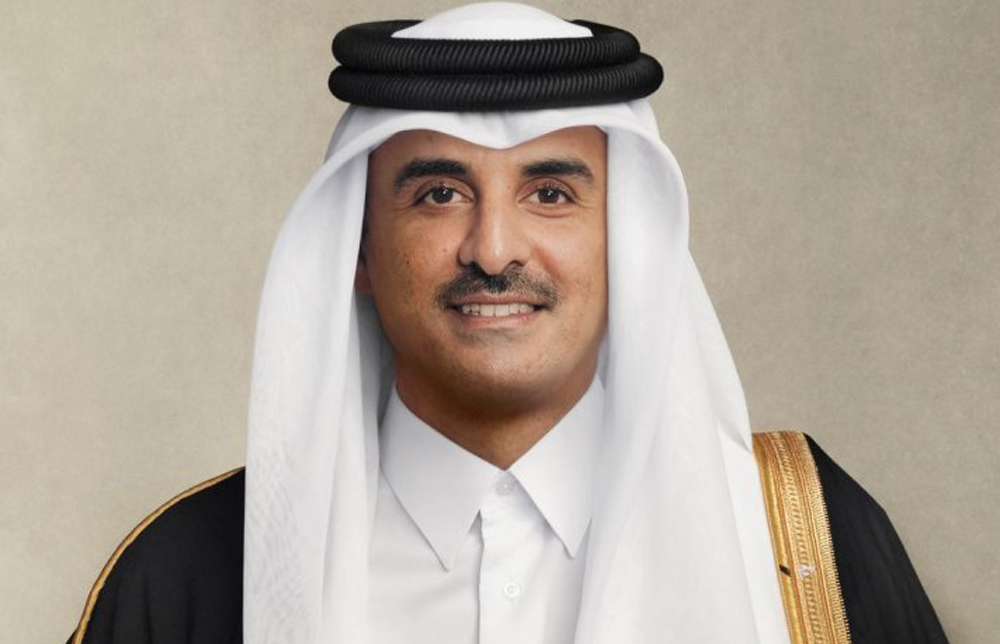

Qatar and Bahrain have reaffirmed their commitment to strengthening bilateral ties as Bahrain celebrates its National Day on December 16th and 17th. The Amir of Qatar, HH Sheikh Tamim bin Hamad Al-Thani, extended congratulations to His Majesty King Hamad bin Isa Al Khalifa of Bahrain on Monday, signaling continued diplomatic engagement between the two Gulf nations. This exchange of greetings follows a period of improved relations after a significant diplomatic rift.
The congratulatory cable, reported by The Peninsula Qatar, underscores Qatar’s desire for stability and cooperation within the Gulf Cooperation Council (GCC). Bahrain’s National Day commemorates the country’s independence from the United Kingdom in 1971 and the establishment of the modern state. The occasion is marked by national celebrations and a renewed focus on domestic achievements.
Significance of Bahrain’s National Day and Qatar-Bahrain Relations
Bahrain’s National Day is a pivotal moment for the island nation, reflecting its history and aspirations. It’s a time for Bahrainis to celebrate their cultural heritage and national identity. The day also serves as an opportunity to showcase Bahrain’s economic and social progress on the international stage.
Recent Diplomatic Thaw
The congratulatory message from the Qatari Amir is particularly noteworthy given the recent restoration of full diplomatic relations between Qatar and Bahrain in December 2023. Prior to this, several GCC countries, including Bahrain, severed diplomatic and economic ties with Qatar in 2017, alleging support for terrorism – accusations Qatar consistently denied.
The resolution of this dispute, mediated by the United States and other regional powers, has been welcomed as a positive step towards greater regional stability. Analysts suggest the improved relations are driven by shared security concerns and the need for a unified GCC front amidst ongoing geopolitical tensions, including those related to Iran and the war in Yemen. The resumption of air and sea travel between the two countries has already begun to facilitate increased trade and people-to-people contact.
Economic Implications
The re-establishment of ties is expected to have a positive impact on economic cooperation. Qatar and Bahrain have historically engaged in trade and investment, and the lifting of restrictions will likely lead to increased commercial activity. Specifically, the construction and hospitality sectors in Bahrain could benefit from renewed Qatari investment, according to reports from the Bahrain Economic Development Board.
However, the extent of the economic recovery remains to be seen and will depend on factors such as global economic conditions and the implementation of joint projects. The energy sector, a key component of both economies, may also see increased collaboration, particularly in the context of LNG trade and regional energy security. Furthermore, the strengthening of ties could boost tourism in both countries, offering new opportunities for growth.
Regional Security
Beyond economics, the improved relationship between Qatar and Bahrain is considered crucial for bolstering regional security. A unified GCC is seen as a more effective force in addressing common challenges, such as maritime security and counter-terrorism efforts. The two countries share concerns about external interference in the region and the need to maintain stability in the face of evolving threats.
Meanwhile, the broader geopolitical landscape continues to influence the dynamics between Qatar and Bahrain. Both nations maintain close relationships with the United States and are actively involved in regional security initiatives. The ongoing negotiations regarding Iran’s nuclear program and the situation in Yemen will likely remain key areas of focus for both countries. The development of a stronger, more cohesive GCC is seen as vital for navigating these complex challenges.
Looking ahead, the focus will be on implementing the agreements reached during the recent reconciliation talks and fostering deeper cooperation across various sectors. The next few months will be critical in solidifying the improved relationship and demonstrating tangible benefits for both countries. Continued dialogue and a commitment to mutual respect will be essential for ensuring the long-term success of this diplomatic initiative, though the pace and depth of integration remain subject to regional developments and internal political considerations.
Further developments regarding joint projects and increased bilateral trade will be closely monitored. The impact of this renewed relationship on broader GCC dynamics and regional foreign policy is also a key area to watch.