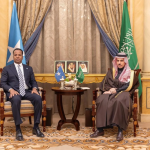

Doha, Qatar – His Highness Sheikh Tamim bin Hamad Al-Thani, the Amir of Qatar, has expressed condolences to King Abdullah II of Jordan following the death of Ali Abu Al-Ragheb, a prominent figure in Jordanian politics and a former Prime Minister. The passing of Abu Al-Ragheb marks the end of an era for a statesman who served his country in various capacities for decades. This Jordanian political event has drawn attention across the Middle East as regional leaders mourn the loss.
The condolences were conveyed through a cable sent by the Amir to the Jordanian monarch on October 8, 2024, according to the official Qatar News Agency (QNA). Abu Al-Ragheb’s death occurred on the same day, prompting an outpouring of grief within Jordan and among its allies. Further details regarding the circumstances of his death have not been formally released by Jordanian authorities.
The Legacy of Ali Abu Al-Ragheb in Jordanian Politics
Ali Abu Al-Ragheb enjoyed a long and distinguished career in public service, primarily known for his role as Prime Minister. He held the position on multiple occasions, including during a period of significant economic reform in the 1990s. He was widely respected for his pragmatism and dedication to Jordan’s stability and development.
Key Roles and Contributions
Before becoming Prime Minister, Abu Al-Ragheb served as Minister of Finance, a position he used to advocate for fiscal responsibility and international investment. According to reports from the Jordan Times, his tenure as Finance Minister was marked by attempts to reduce the country’s debt burden and promote economic liberalization. He was also a member of the Jordanian Senate until his passing.
His appointments to leadership roles often coincided with periods of political transition within Jordan. He navigated complex regional dynamics during his time in office, balancing the country’s pro-Western stance with its relationships with neighboring Arab nations. This delicate balancing act was a hallmark of his leadership style.
However, Abu Al-Ragheb’s policies weren’t without criticism. Some observers noted that reforms implemented during his premiership did not adequately address issues of socioeconomic inequality. Despite this, he maintained a reputation as a seasoned and capable administrator.
The news of his death comes at a sensitive time for the Middle East, with ongoing conflicts in Gaza and the broader region. Many see Abu Al-Ragheb as a symbol of stability within Jordan, a country that has historically played a moderating role in the region’s turbulent political landscape. The Middle East is watching closely as Jordan mourns.
Additionally, Abu Al-Ragheb was known for his commitment to strengthening Jordanian-international relations. He actively sought foreign aid and investment, recognizing the country’s reliance on external support. This strategy was considered crucial for Jordan’s economic resilience.
Meanwhile, condolences have been arriving from across the Arab world, including from Saudi Arabia, Egypt, and the United Arab Emirates. These expressions of sympathy highlight Abu Al-Ragheb’s respected position among regional leaders and the impact he had on political discourse.
In contrast to some of his contemporaries, Abu Al-Ragheb largely avoided public controversy. He was known for his reserved demeanor and his preference for behind-the-scenes negotiations. This approach enabled him to build consensus among disparate political factions.
The Jordanian government has declared a period of national mourning to honor Abu Al-Ragheb’s memory. Funeral arrangements are expected to be announced shortly, allowing the public to pay their respects. It is anticipated there will be a large turnout from all sectors of Jordanian society.
Looking ahead, the immediate impact is expected to be a period of reflection on Abu Al-Ragheb’s contributions to Jordan. While his passing will not likely trigger immediate political shifts, it creates a vacancy in the Senate and removes a respected voice from the country’s political landscape. The long-term implications for Jordan’s political trajectory remain uncertain and will depend on the continuing evolution of regional events and internal dynamics.
The next steps involve the formal announcement of funeral proceedings and any potential government statements regarding his legacy. Observers will also be watching for any reorganization within the Jordanian Senate as a result of his passing.
QNA provides further coverage of the story.