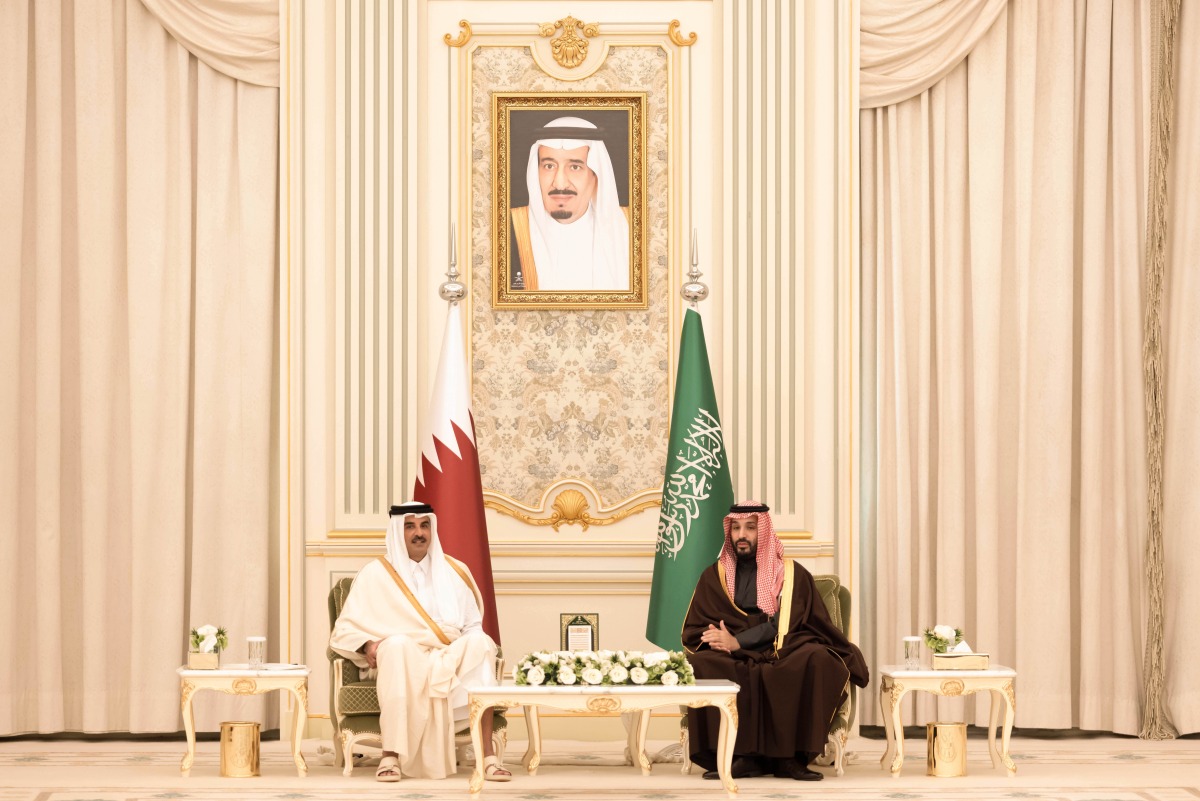

Doha, Qatar – A significant step forward in regional cooperation, the Amir of Qatar, HH Sheikh Tamim bin Hamad Al-Thani, and the Crown Prince and Prime Minister of Saudi Arabia, Prince Mohammed bin Salman, co-chaired the eighth meeting of the Qatari-Saudi Coordination Council in Riyadh on Monday. The meeting underscored the strengthening ties between the two nations and resulted in key agreements focused on infrastructure, investment, and regional security. This latest development signals a continued commitment to enhanced collaboration following a period of strained relations.
The meeting, held at Al-Yamamah Palace, was characterized by both leaders as a demonstration of the strong, historic relationship between Qatar and Saudi Arabia. Prince Mohammed bin Salman emphasized Saudi Arabia’s dedication to advancing bilateral ties, while HH Sheikh Tamim bin Hamad Al-Thani affirmed Qatar’s commitment to reinforcing fraternal cooperation for the benefit of both peoples and regional stability.
Strengthening Bilateral Ties Through the Qatari-Saudi Coordination Council
The Qatari-Saudi Coordination Council was established to foster closer collaboration across a wide range of sectors. This eighth meeting focused on solidifying partnerships in political, security, military, energy, economic, and cultural domains. Discussions also covered recent developments in regional and global affairs, reflecting a shared interest in addressing common challenges. According to reports, the council serves as a crucial platform for dialogue and joint action.
Key Agreements Reached
Several significant agreements were signed during the meeting, demonstrating tangible progress in bilateral cooperation. A key outcome was an agreement for a high-speed electric rail link between Qatar and Saudi Arabia, promising to enhance transportation infrastructure and facilitate trade. Additionally, a Memorandum of Understanding (MoU) was signed between Invest Qatar and the Saudi Ministry of Investment to promote direct investment and explore innovative solutions in the field. A further MoU focused on food security, aiming to strengthen collaboration between the two nations in ensuring stable food supplies.
These agreements build upon previous initiatives and represent a deepening of economic integration. The rail link, in particular, is expected to significantly reduce travel times and boost economic activity along the corridor. The focus on food security reflects growing concerns about global supply chain vulnerabilities and the importance of regional self-sufficiency. The Peninsula Qatar reported extensive attendance from both countries’ ministerial teams, highlighting the importance placed on these discussions.
Meanwhile, discussions extended beyond economic matters to include security cooperation. While details of these discussions were not publicly disclosed, it is understood that both sides reaffirmed their commitment to regional stability and counter-terrorism efforts. This collaboration is particularly relevant given the complex geopolitical landscape of the Middle East and ongoing regional conflicts. The strengthening of security ties is a key aspect of the broader effort to build trust and address shared security concerns.
The meeting also addressed broader issues of mutual interest, including energy policy and the global economic outlook. Both Qatar and Saudi Arabia are major energy producers, and coordination in this sector is crucial for maintaining market stability. The discussions likely covered strategies for navigating the energy transition and ensuring a sustainable energy future. Reuters noted the significance of this aspect of the talks.
Following the meeting, both leaders signed the minutes of the eighth session of the Qatari-Saudi Coordination Council, formalizing the agreements reached. A luncheon banquet hosted by Prince Mohammed bin Salman honored HH the Amir and his delegation, further demonstrating the warmth and hospitality extended during the visit. The overall tone of the meeting was positive and constructive, signaling a strong desire for continued cooperation.
Looking ahead, the implementation of the agreements signed during this meeting will be crucial. The next steps will involve detailed planning and execution of the rail link project, as well as the development of concrete initiatives under the investment and food security MoUs. Further meetings of the Qatari-Saudi Coordination Council are expected in the coming months to monitor progress and address any challenges that may arise. The continued success of this partnership will be a key indicator of regional stability and economic integration.