
Doha, Qatar – Qatar and Equatorial Guinea are strengthening their bilateral relations, as indicated by a recent exchange of messages between their leaders. The Amir of Qatar, Sheikh Tamim bin Hamad Al-Thani, received a written message from President Teodoro Obiang Nguema Mbasogo of Equatorial Guinea focusing on expanding cooperation between the two nations. This development signals a continued effort by Qatar to diversify its international partnerships, particularly within Africa.
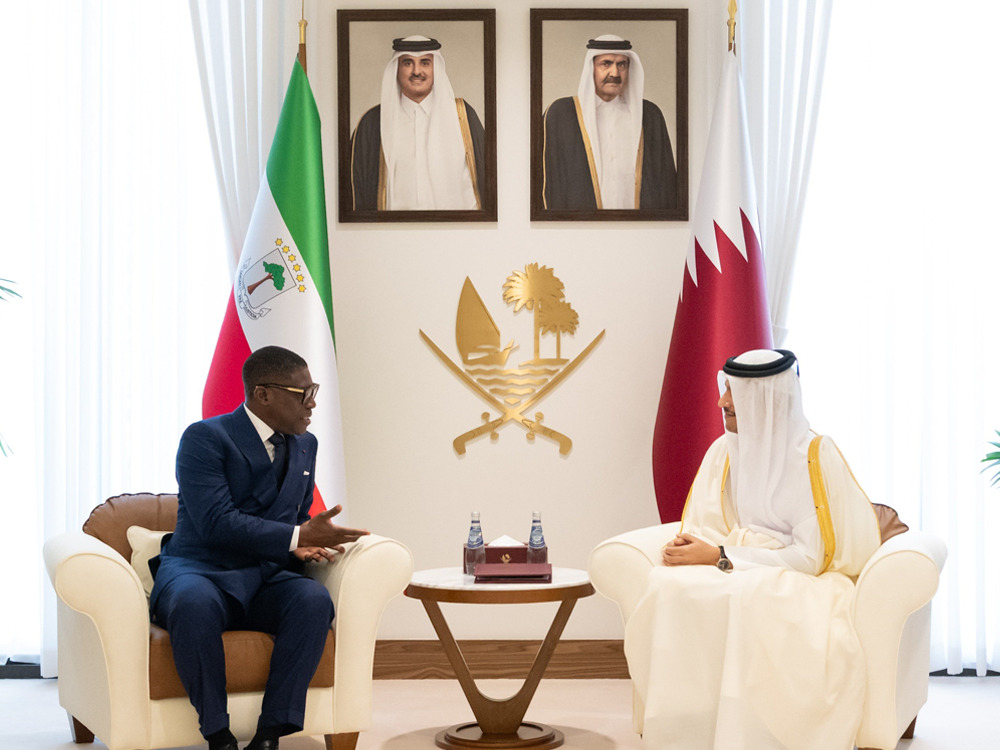
The message was formally delivered to Qatar’s Prime Minister and Minister of Foreign Affairs, Sheikh Mohammed bin Abdulrahman bin Jassim Al-Thani, during a meeting with Equatorial Guinea’s Vice President, Teodoro Nguema Obiang Mangue, held in Doha today. Discussions centered on practical steps to bolster ties and explore new avenues for collaboration, according to a statement released by the Qatari Ministry of Foreign Affairs. The meeting underscores the growing importance both countries place on mutual support and development.
Strengthening Qatar-Equatorial Guinea Bilateral Relations
This exchange of diplomatic correspondence comes amidst a broader trend of increased Qatari engagement with African nations. Qatar has been actively pursuing investment opportunities and diplomatic initiatives across the continent, focusing on sectors like energy, infrastructure, and tourism. Equatorial Guinea, a central African nation rich in oil and gas, presents a potentially valuable partner in Qatar’s diversification strategy.
Areas of Potential Cooperation
While specific details of the proposed cooperation remain undisclosed, several areas are likely to be of interest. These include potential Qatari investment in Equatorial Guinea’s energy sector, particularly in liquefied natural gas (LNG) projects, given Qatar’s position as a leading LNG exporter. Additionally, collaboration in infrastructure development, such as ports and transportation networks, could be explored.
Qatar’s sovereign wealth fund, the Qatar Investment Authority (QIA), has a history of making strategic investments globally. The QIA’s involvement in Equatorial Guinea could provide significant capital for development projects. Furthermore, Qatar Airways could potentially expand its routes to include more destinations within Africa, boosting tourism and trade connections.
Equatorial Guinea, for its part, may seek Qatari expertise in areas like financial management and project development. The country has been working to improve its economic diversification and attract foreign investment beyond the oil and gas industry. This partnership could also offer Equatorial Guinea a platform to enhance its regional and international standing.
The timing of this diplomatic outreach is noteworthy. Global energy markets are currently experiencing volatility, and securing reliable energy supplies is a priority for many nations. Qatar’s increased focus on African energy producers aligns with this global trend. Furthermore, both Qatar and Equatorial Guinea are members of the Organization of the Petroleum Exporting Countries (OPEC), suggesting a shared interest in maintaining stability within the oil market.
However, it’s important to note that Equatorial Guinea has faced scrutiny regarding its human rights record and governance practices. Qatar, while pursuing economic and diplomatic ties, will likely need to navigate these concerns carefully. The country’s commitment to responsible investment and adherence to international standards will be crucial in shaping the future of this relationship.
The Qatari Ministry of Foreign Affairs has not yet announced a timeline for further discussions or the signing of any specific agreements. It is anticipated that a follow-up meeting between officials from both countries will be scheduled in the coming months to delve deeper into potential areas of collaboration. Observers will be watching closely to see how this developing diplomatic relationship translates into concrete economic and political benefits for both Qatar and Equatorial Guinea, and how it impacts Qatar’s broader foreign policy in Africa.
The success of this partnership will depend on several factors, including the political stability of Equatorial Guinea, the regulatory environment for foreign investment, and the ability of both countries to overcome any logistical or cultural challenges. Continued dialogue and a commitment to mutual respect will be essential for fostering a long-term and productive international cooperation.