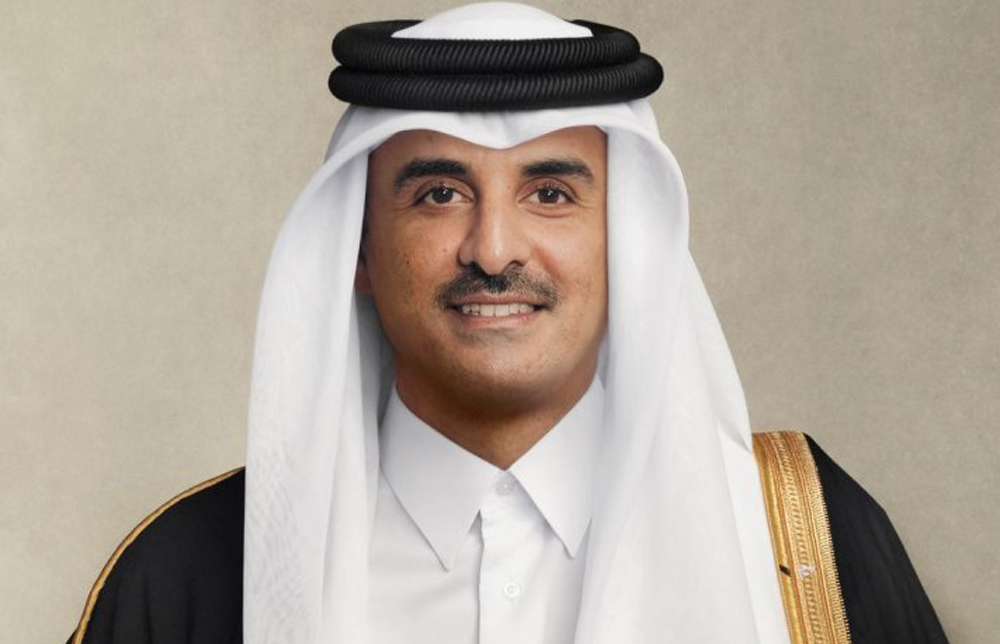

Doha, Qatar – In a significant diplomatic development, His Highness Sheikh Tamim bin Hamad Al Thani, the Amir of Qatar, received a phone call from Syrian President Bashar al-Assad on Friday evening. The conversation centered on the evolving situation in Syria and the strengthening of Qatar-Syria relations, marking a notable step in the ongoing regional efforts to address the Syrian crisis. This communication signals a potential shift in Qatar’s approach to the decade-long conflict.
The call, which took place on February 24, 2023, involved a discussion of the latest developments within Syria, with both leaders emphasizing the importance of maintaining the country’s unity and territorial integrity. Details released by the Amiri Diwan also indicated a focus on exploring avenues to bolster bilateral ties between Doha and Damascus across multiple sectors. This engagement comes amid a broader trend of Arab nations re-evaluating their positions on Syria.
Qatar and Syria: A Renewed Dialogue
This phone call represents the first known direct communication between the leaders of Qatar and Syria in over a decade. Qatar previously supported opposition groups seeking to overthrow the Assad government during the Syrian Civil War, and its diplomatic presence in Syria was significantly reduced. However, recent months have seen a gradual warming of relations, mirroring similar moves by other Gulf states.
Regional Context and Shifting Alliances
Several factors appear to be driving this change. According to analysts at the Middle East Institute, the devastating earthquake that struck Turkey and Syria earlier in February prompted a wave of humanitarian aid from across the Arab world, including Qatar, creating a practical impetus for engagement. Additionally, the ongoing war in Ukraine has prompted a reassessment of regional priorities, with some nations seeking to stabilize Syria as a means of countering broader geopolitical instability.
Meanwhile, the normalization of relations between Saudi Arabia and Syria, facilitated by China in December 2022, has created a new regional dynamic. This move, along with similar steps by the United Arab Emirates and Bahrain, appears to have encouraged Qatar to re-examine its own policy towards Damascus. The broader goal, as stated by various regional actors, is to encourage a political solution to the Syrian conflict and facilitate the return of Syrian refugees.
The discussion also touched upon ways to strengthen bilateral cooperation. While specific areas of potential collaboration were not detailed, it is likely to include humanitarian assistance, economic investment, and potentially, security coordination. Qatar has significant economic resources and could play a role in Syria’s post-conflict reconstruction, should conditions allow. The potential for increased diplomatic engagement is also a key outcome of this communication.
In contrast to its earlier stance, Qatar’s engagement with the Assad government does not necessarily signify full endorsement of the current regime. The Amir’s emphasis on Syria’s unity and territorial integrity suggests a continued commitment to a comprehensive political settlement that addresses the concerns of all Syrians. The situation remains complex, with significant challenges to lasting peace and stability.
The United States and some European nations have expressed reservations about the recent moves towards normalizing relations with Syria, citing concerns about human rights abuses and the lack of progress on political reforms. These concerns are likely to influence the pace and scope of Qatar’s re-engagement. The international community continues to monitor the situation closely.
Looking ahead, further diplomatic initiatives are expected in the coming weeks and months. Qatar may consider reopening its embassy in Damascus, which was closed in 2012. However, the timing and extent of any further steps will likely depend on developments on the ground in Syria and the broader regional context. The success of this renewed dialogue hinges on addressing the underlying causes of the conflict and ensuring the protection of civilian populations.
The next steps will likely involve further consultations between Qatari and Syrian officials, potentially leading to a visit by a Qatari delegation to Damascus. The situation remains fluid, and the long-term implications of this shift in Qatar’s foreign policy are still uncertain.